Lake Lanier group warns navigation project could threaten water supply, recreation
Lake Lanier advocates say a federal navigation push downstream could pull on the reservoir that serves Forsyth County, risking drinking water reliability and lake recreation revenue.
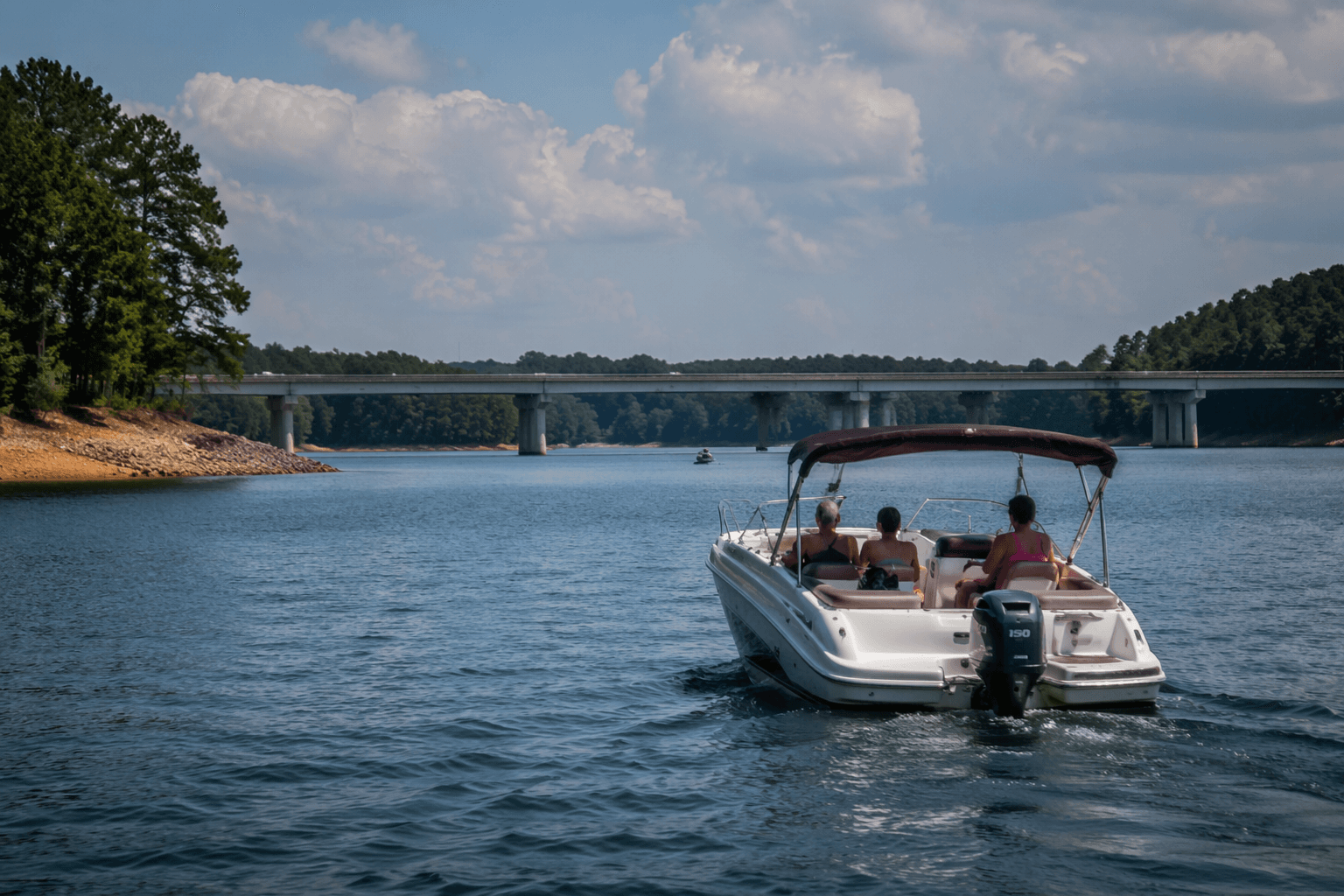
The U.S. Army Corps of Engineers has initiated work to restore reliable commercial navigation on the lower Apalachicola-Chattahoochee-Flint river system, with Congress appropriating $100 million for locks and dams repairs and another $3 million to examine dredging and channel restoration. The Lake Lanier Association warns the project could affect water supply, marina traffic and shoreline recreation if lake levels or water quality are disrupted.
In a June 2026 white paper, the group calls for the Corps to fully analyze the economic consequences for all authorized purposes before changing operations at Lake Lanier.

Lake Lanier was authorized by Congress in the Rivers and Harbors Act of July 24, 1946, and Buford Dam was completed in 1956. Commercial navigation was also part of the original authorization. The reservoir’s purposes include flood control, hydropower generation, water supply, recreation, natural resources management and shoreline management. The Corps now plans to rely on analysis completed more than 80 years ago rather than order a new cost-benefit review.
Todd Baxter, president of the Lake Lanier Association, said there is not enough basin inflow in the river system to sustain reliable commercial navigation without significantly affecting Lake Lanier’s authorized uses. Lake Lanier holds 66% of the ACF system’s water storage capacity and provides drinking water for about 4.9 million people in metro Atlanta and North Georgia. The lake supports more than $1 billion in annual recreation spending.
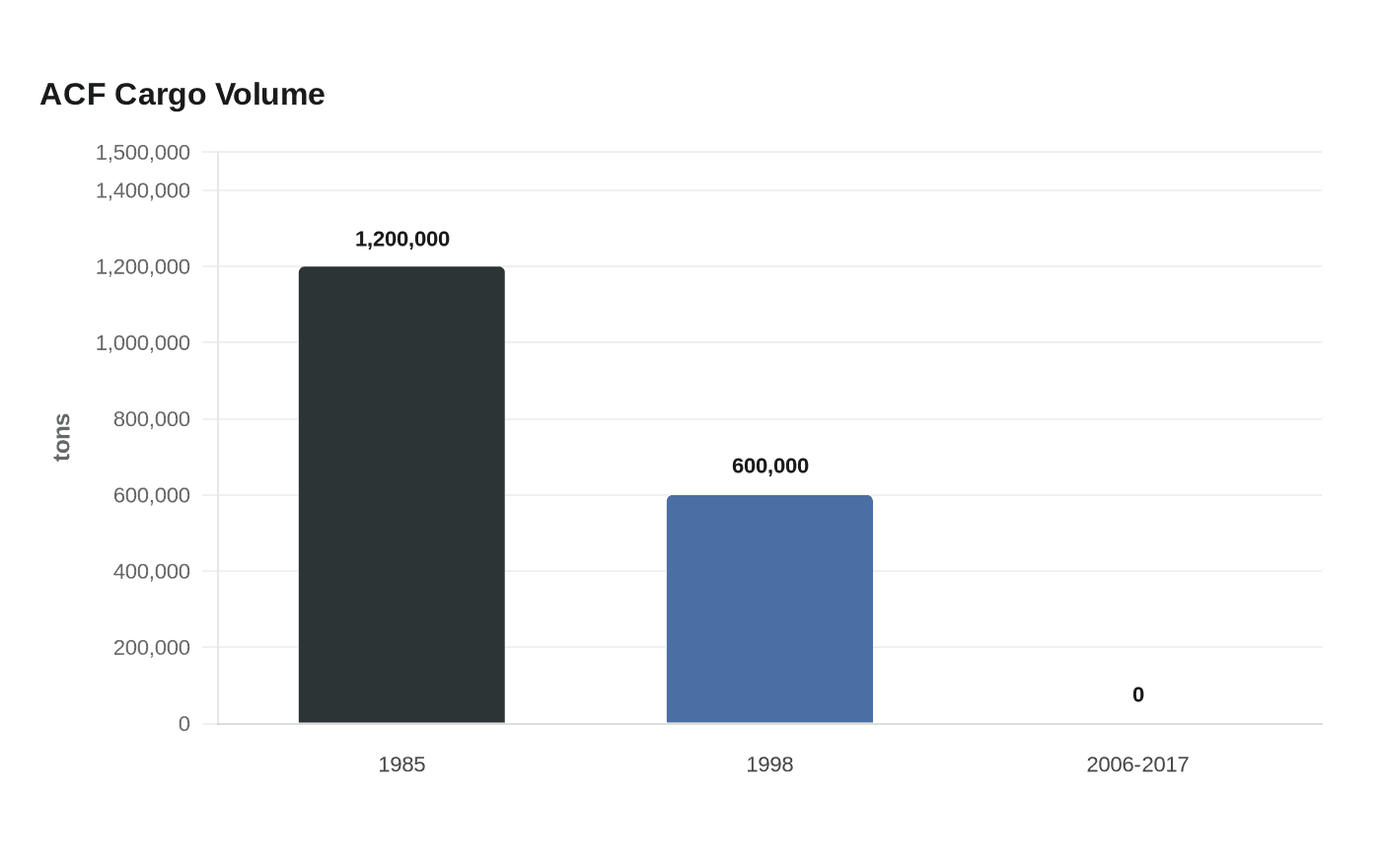
Reliable navigation historically depended on both a deepened river channel and upstream water releases, meaning Lake Lanier’s conservation storage could be tapped in dry and drought years. Corps and congressional findings show ACF cargo volumes falling from as much as 1.2 million tons in 1985 to near 600,000 tons by 1998 and then to zero from 2006 through the Corps’ 2017 Master Water Control Manual. A 2002 Senate Environment and Public Works Committee report called the Apalachicola River project one of the most expensive Corps river projects in the South and said the agency had never maintained a 9-foot channel for year-round navigational use.
The association has notified the full congressional delegation representing the Lake Lanier area, contacted the Corps, Georgia elected officials and other ACF stakeholders. On June 9, 2026, Forsyth County took management of five Lake Lanier parks and water access areas under an agreement that shifted shoreline management to the county.
This article was produced by Prism’s automated news system from verified source data, official records, and press releases, then run through automated quality and moderation checks before publishing. The system is built and supervised by the people who set the standards it runs under. Read our full AI policy.
Did this article answer your question?