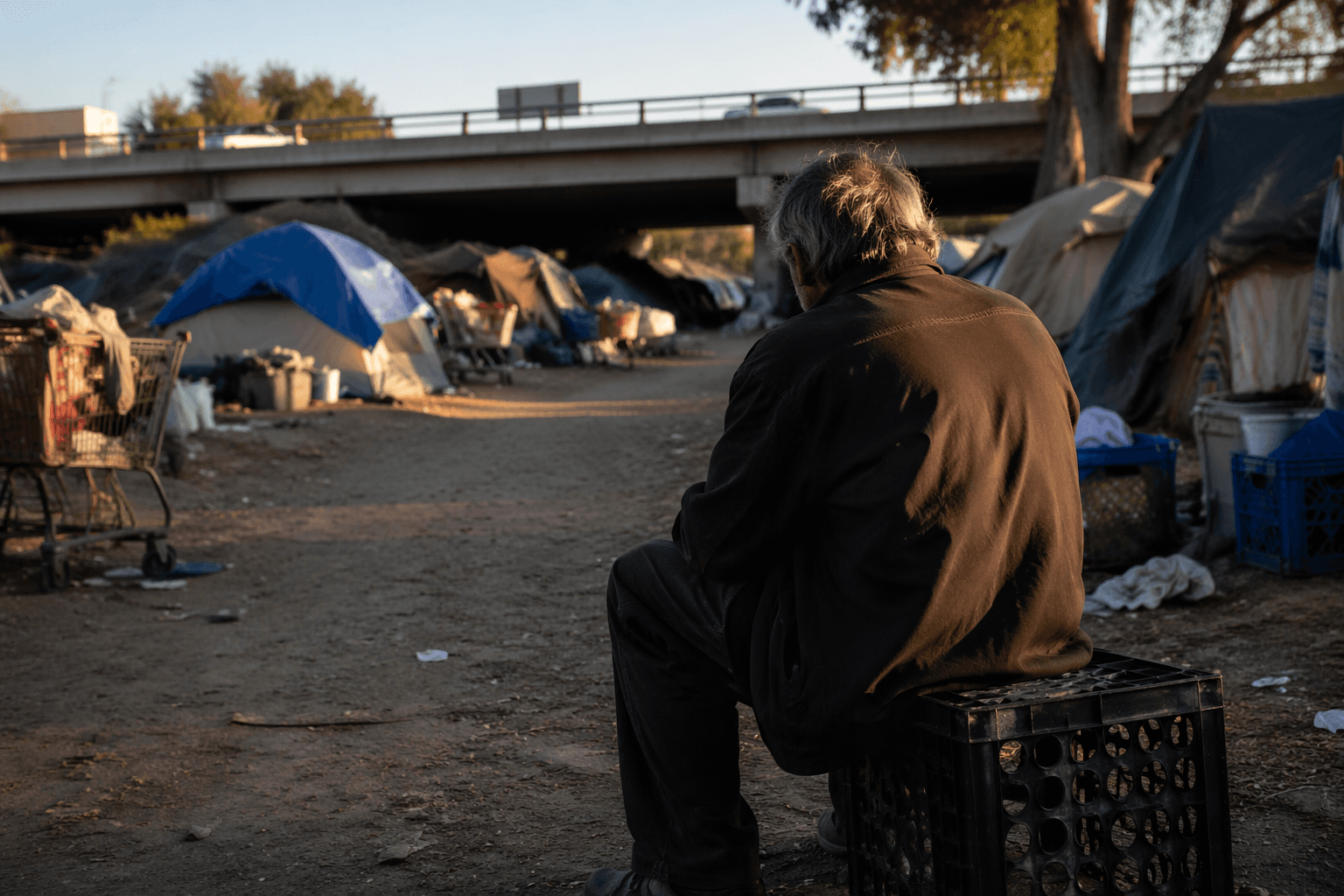
Arambula leads Thomas in Fresno City Council District 3 race
Arambula edged Thomas in early District 3 returns, but the race also became a referendum on Fresno’s growth fight and the city’s future with schools.
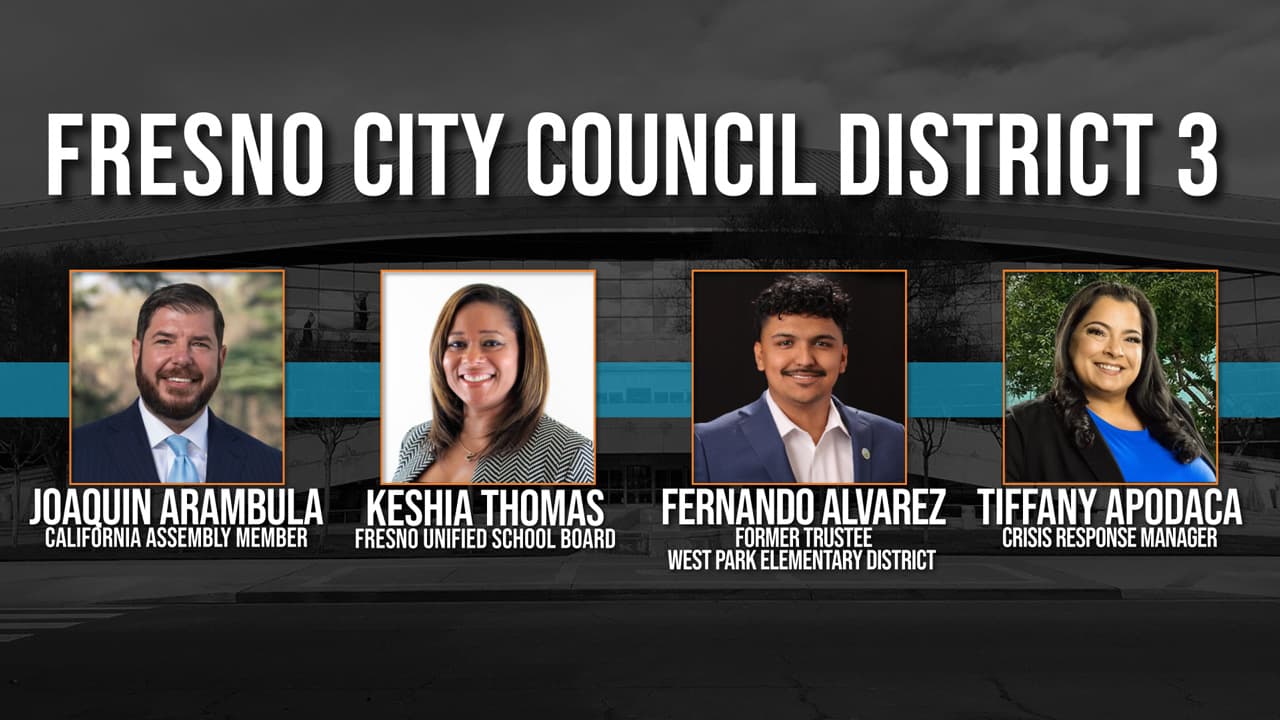
Joaquin Arambula held a narrow lead over Keshia Thomas in Fresno City Council District 3, a contest shaped by downtown development, southwest Fresno concerns and the widening battle over the Southeast Development Area.
With all precincts reporting, Arambula had 28.29% to Thomas’s 27.43%, a spread of 0.86 percentage points in a race where 3,606 votes were counted in the district. The seat is open because incumbent Miguel Arias was term-limited, making the outcome a test of which kind of leadership District 3 voters wanted for the next four years.
District 3 covers Southwest Fresno, the Tower District, Downtown Fresno, Chinatown, South Fresno and Central Unified communities, placing the race at the center of some of the city’s most contested neighborhoods. City rules put odd-numbered council districts on the same cycle as the June 2 primary, with a Nov. 3 general election if needed. Council members serve four-year terms and cannot serve more than two successive terms without stepping away for a full term.
The campaign’s financial divide was stark. By May 16, Arambula had raised nearly $75,000 and spent more than $80,000, while Thomas had raised about $27,000 and spent about $18,000. That spending edge helped Arambula enter the final stretch with greater name recognition, while Thomas leaned on her role as a Fresno Unified trustee and her education-accountability profile.
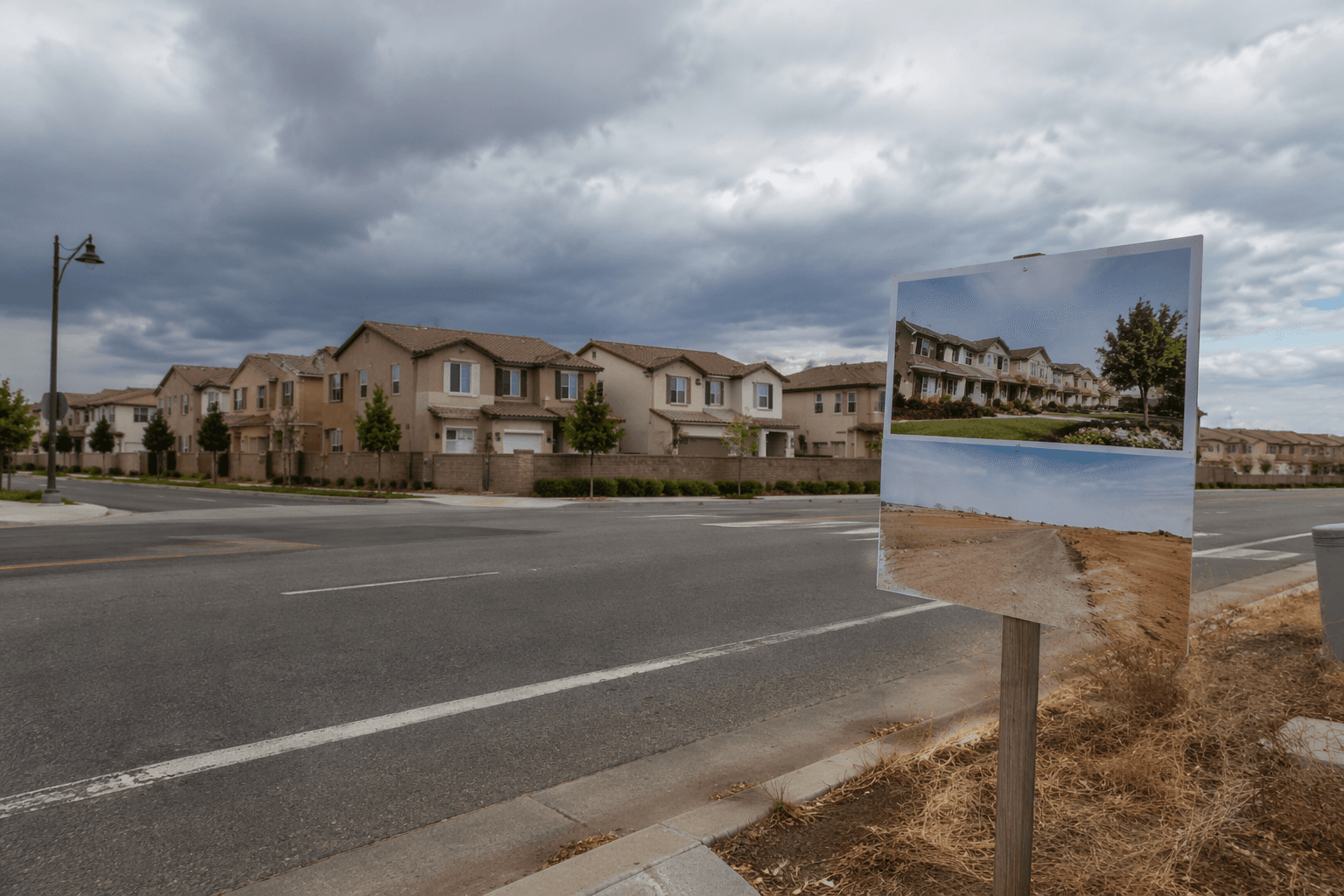
The race also intersected with the city’s biggest growth dispute: Mayor Jerry Dyer’s Southeast Development Area plan. Thomas initially voted not to take a stance on the proposal before joining Fresno Unified’s May 14 vote opposing it. The board approved the resolution in a 4-0 vote with three abstentions after months of pressure, including earlier text messages from Dyer warning trustees that a formal district opposition would damage the city-district relationship.
Fresno Unified has projected annual enrollment losses of 1,200 to 1,700 students over the next seven years, and district officials have said the loss amounts to about $17 million for every 1,000 students. Officials have warned the 9,000-acre plan for 45,000 homes could contribute to as many as 11 school closures and about $200 million in annual funding losses, while leaving a roughly $3 billion infrastructure gap. The city’s environmental review found air pollution in the area could rise by roughly 600%.
For District 3, the contest was never just about one council seat. It became a choice between a state-level lawmaker with deeper fundraising muscle and a school-board trustee trying to turn education oversight into a city hall argument about growth, accountability and who gets to shape Fresno’s next decade.
This article was produced by Prism’s automated news system from verified source data, official records, and press releases, then run through automated quality and moderation checks before publishing. The system is built and supervised by the people who set the standards it runs under. Read our full AI policy.
Know something we missed? Have a correction or additional information?
Submit a Tip