Central Valley health agencies monitor hantavirus outbreak, public risk low
Fresno County’s risk remains low, but health officials are tracking a cruise-ship hantavirus cluster that has caused three deaths and reached eight cases.
Fresno County’s immediate risk from the hantavirus cluster tied to the M/V Hondius remained low, even as the Centers for Disease Control and Prevention and the World Health Organization kept the outbreak under close watch. CDC said the U.S. government was actively monitoring the situation and that the risk to the American public remained extremely low, while WHO also assessed the public health risk as low.
The outbreak first reached WHO on May 2, 2026. By May 8, WHO had reported eight cases, including three deaths, with six laboratory-confirmed infections and all confirmed cases identified as Andes virus. WHO said illness onset among the cases fell between April 6 and April 28, and the ship carried 147 passengers and crew. CDC says Andes virus is the only hantavirus documented to spread person to person, and that transmission has typically required close, prolonged contact with a symptomatic person.

For Fresno-area readers, the more familiar risk is not a cruise ship but rodent exposure in enclosed spaces. California health officials say hantavirus is usually associated with deer mice, and CDPH says one California resident has returned to the state and is in contact with local public health officials about exposure. State mapping data says 93 California residents have been diagnosed with hantavirus since 1980, with county of exposure determined for 79 of those cases, including one in Fresno County. CDPH’s Vector-Borne Disease Section continues to monitor hantavirus statewide.
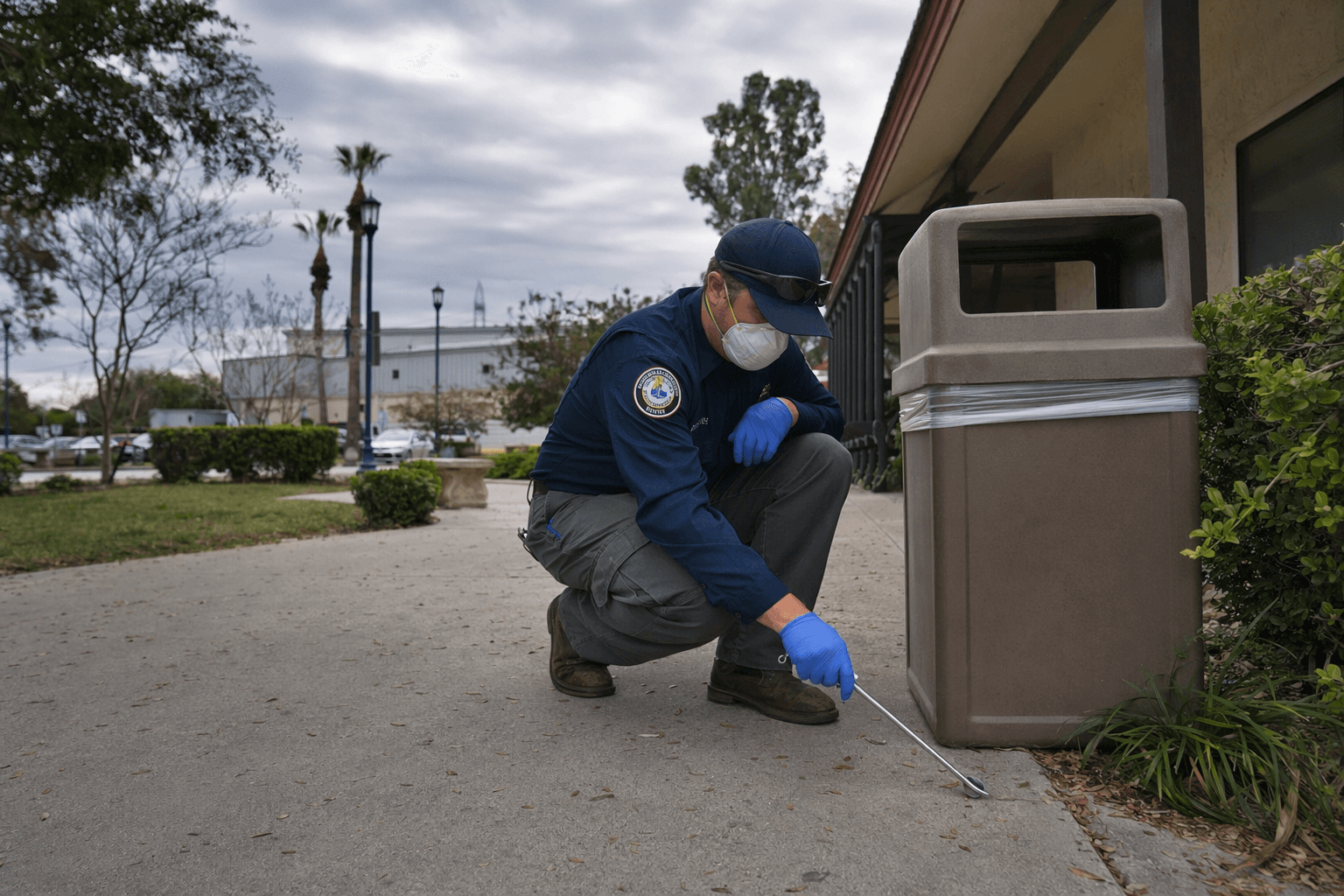
The practical message is simple: keep rodents out of sheds, garages, cabins, campers and cars, and do not stir up dust where mice may have nested. CDPH says people can get infected when they breathe contaminated air after dried urine, droppings or saliva are disturbed, especially when opening or cleaning buildings that have been closed for a while. The agency recommends sealing openings the width of a pencil or larger, storing food in rodent-proof containers, wearing gloves when cleaning, airing out the space first, using disinfectant or bleach solution, and never sweeping or vacuuming droppings or nests. CDC says avoiding rodent urine, droppings, saliva and nesting materials is the best prevention.
This article was produced by Prism’s automated news system from verified source data, official records, and press releases, then run through automated quality and moderation checks before publishing. The system is built and supervised by the people who set the standards it runs under. Read our full AI policy.
Did this article answer your question?