Clovis advances infill rezoning plan despite resident opposition
Clovis cleared a rezoning that could open 54 acres to higher-density housing, but Diamond Crest and Harlan Ranch residents warned it could remake their streets.
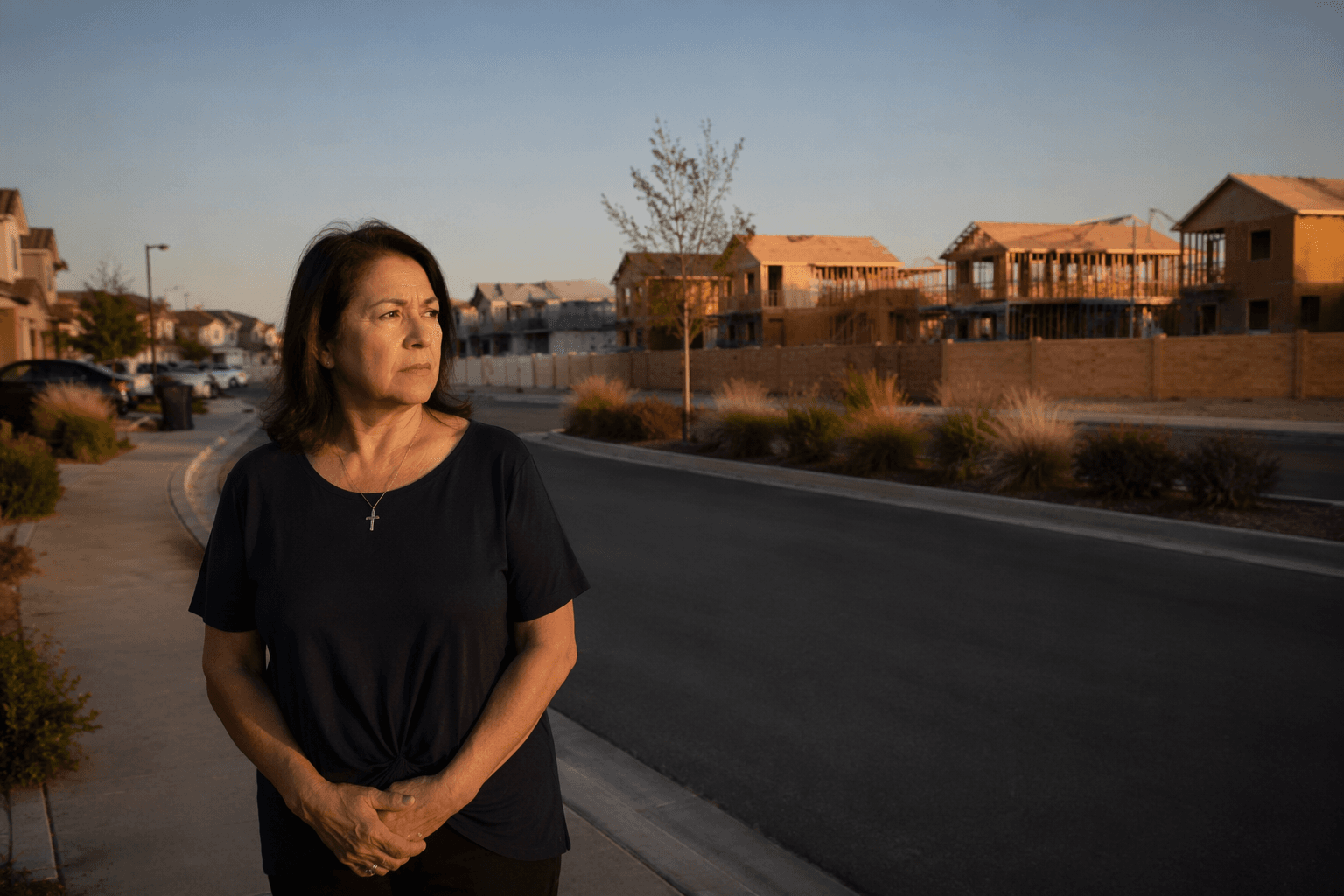
The Clovis Planning Commission voted 4-1 with one abstention Thursday night to move forward with a citywide infill rezoning plan that could reshape how some of the city’s last underused parcels are developed. The decision covers about 54 acres spread across 20 parcels and immediately sharpened the divide between city housing policy and the backlash from nearby homeowners.
The city says the rezoning is meant to create capacity for about 1,284 additional housing units. Under the proposal, the 20 sites would be redesignated for High and/or Very High Density Residential use and rezoned into the R-3 or R-4 multifamily districts. City officials also stressed that no construction is proposed as part of the rezoning itself, meaning the vote changes land-use rules first and leaves any actual projects for later review.

That distinction did little to ease concerns in Diamond Crest and Harlan Ranch, where residents argued the plan would put too many new homes too close to existing neighborhoods. Speakers raised worries about density, parks, traffic, crime and the broader neighborhood impact. One resident estimated the plan could translate into 235 to 353 new family units in one area alone, underscoring how the abstract zoning map could become a much more direct change at the property line.
Planning and Development Services Director Renee Mathis said the rezoning would open the door to very high- and high-density development on the identified sites, making the issue about Clovis’s long-term growth pattern rather than a single parcel. The city’s move stems from Martinez v. City of Clovis, a lawsuit filed in 2019 by Central California attorney Patience Milrod on behalf of housing advocate Dez Martinez. The court entered judgment on March 19, 2024, and city records say the six required action items were folded into the Sixth Cycle Housing Element, which was certified in December 2024.
Only one speaker supported the rezoning at the meeting, former planning director Dwight Kroll, who now represents a property owner pursuing a senior center project. The measure now heads to the Clovis City Council, which is expected to take a final vote in one to two months after another informational meeting for residents within 800 feet of a proposed site.
The vote also lands as Clovis is changing several housing rules at once. City records show the minimum allowable density in the R-3 zone was raised from 15 to 20 dwelling units per acre, and the City Council approved a Mixed Income Zoning Ordinance on April 13 and April 20, 2026. For homeowners near the affected parcels, the immediate change is not a new apartment complex but a new set of rules that could make future multifamily development much easier.
This article was produced by Prism’s automated news system from verified source data, official records, and press releases, then run through automated quality and moderation checks before publishing. The system is built and supervised by the people who set the standards it runs under. Read our full AI policy.
Did this article answer your question?


