Clovis plans $17.7 million for neighborhood upgrades, road work
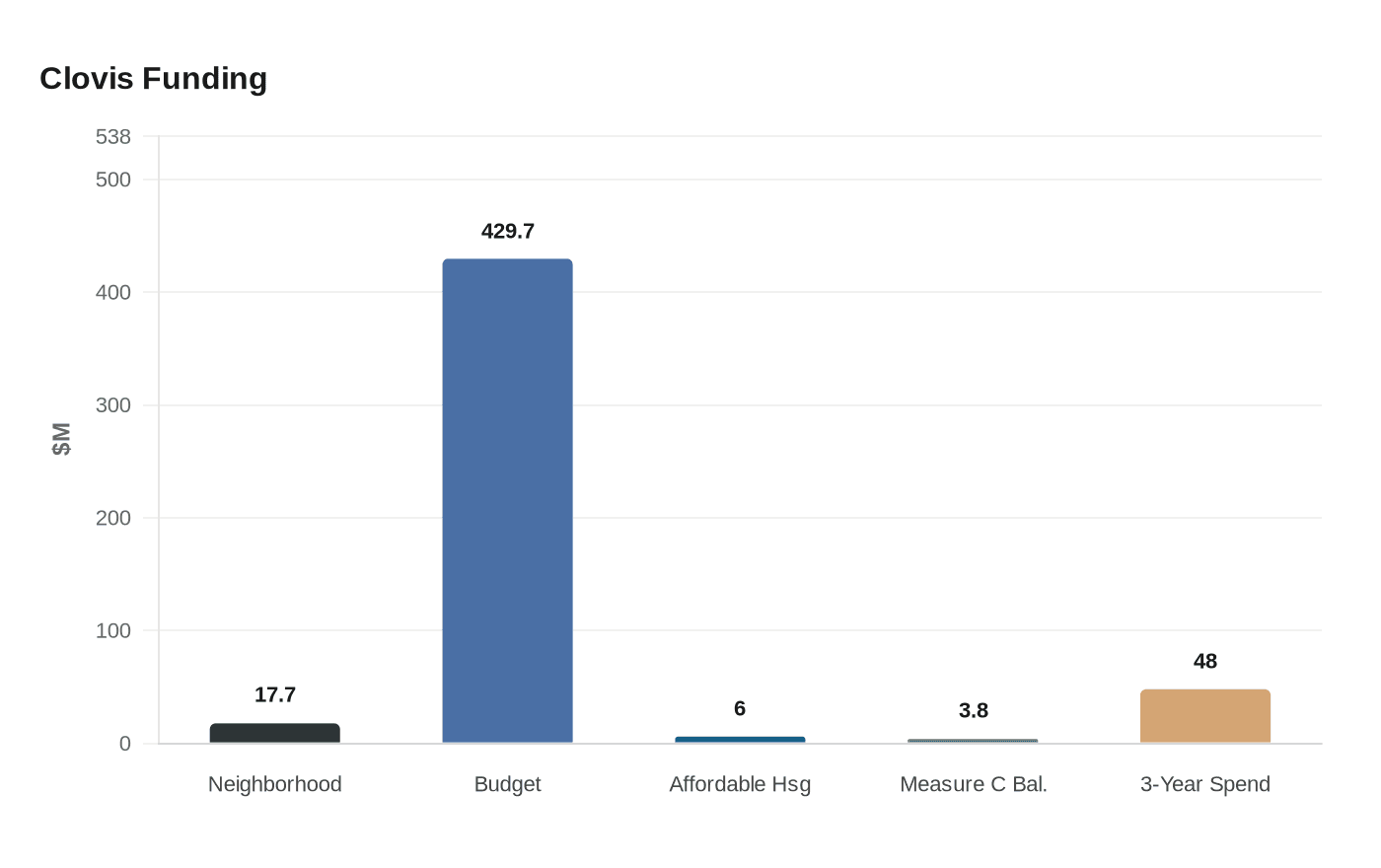
Clovis is steering $17.7 million toward streets, alleys, housing and trail fixes, with more than $6 million reserved for affordable housing and lower-income neighborhoods first in line.
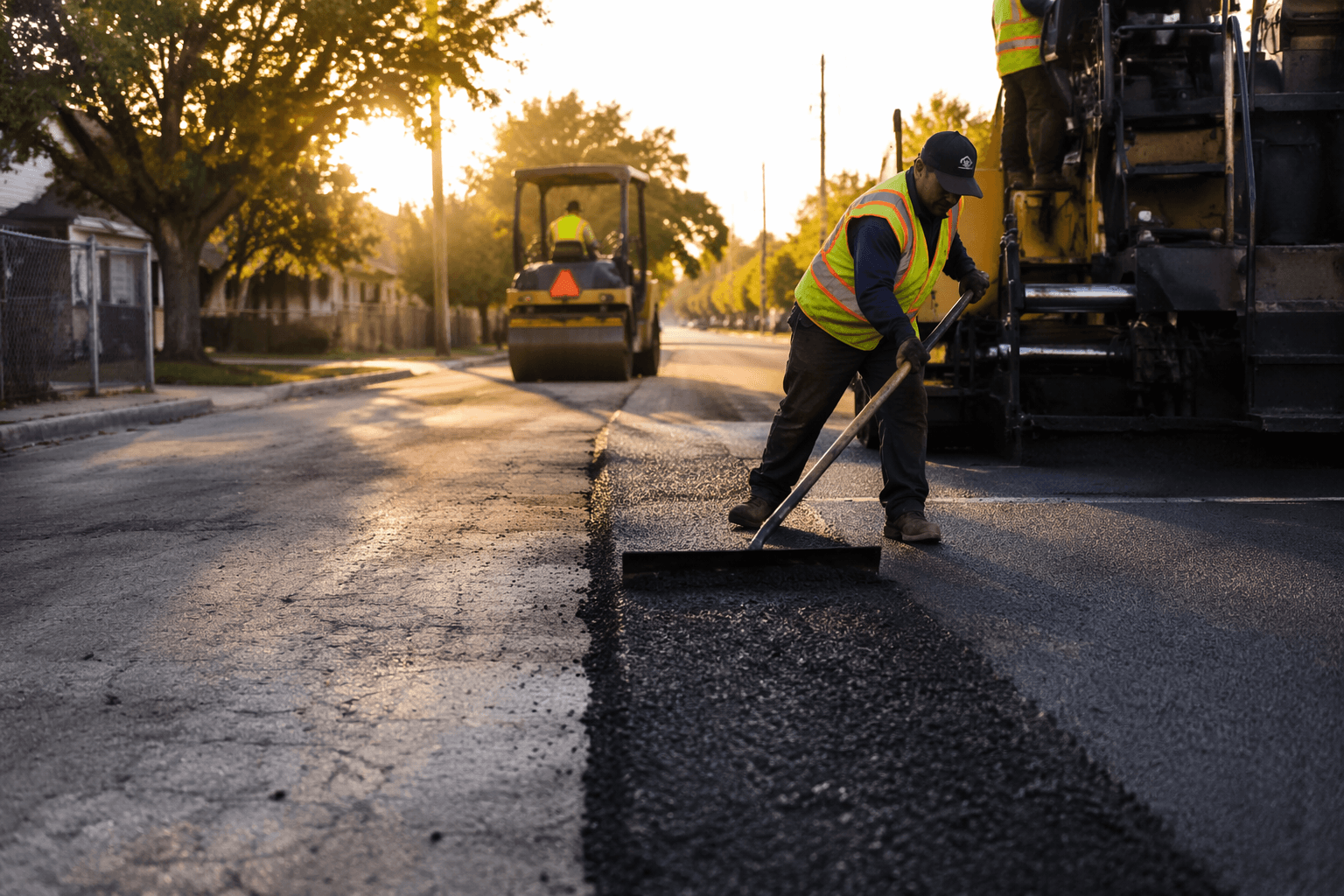
Clovis is putting most of its neighborhood-upgrade money where residents will notice it first: on road repairs, alley reconstruction, trail lighting and housing programs in older parts of town. The city’s $17.7 million package, part of a $429.7 million 2026-27 budget, also points to a longer push to repair worn infrastructure and add amenities in neighborhoods that have lagged behind newer growth.
More than $6 million is earmarked for affordable housing programs, while other funds would go to lighting along the Dry Creek Trail, a pedestrian bridge linking Cottonwood Park and the Dry Creek Business Park, and reconstruction of alleys in lower-income neighborhoods. For drivers, the street list is broad and specific: design money is set aside for stretches of Sunnyside Avenue, Nees Avenue, Ashlan Avenue, Barstow Avenue, Bullard Avenue, Fowler Avenue, Gettysburg Avenue, Minnewawa Avenue, Peach Avenue, Shaw Avenue and Willow Avenue, with reconstruction plans also aimed at Armstrong Avenue, Herndon Avenue and other corridors.
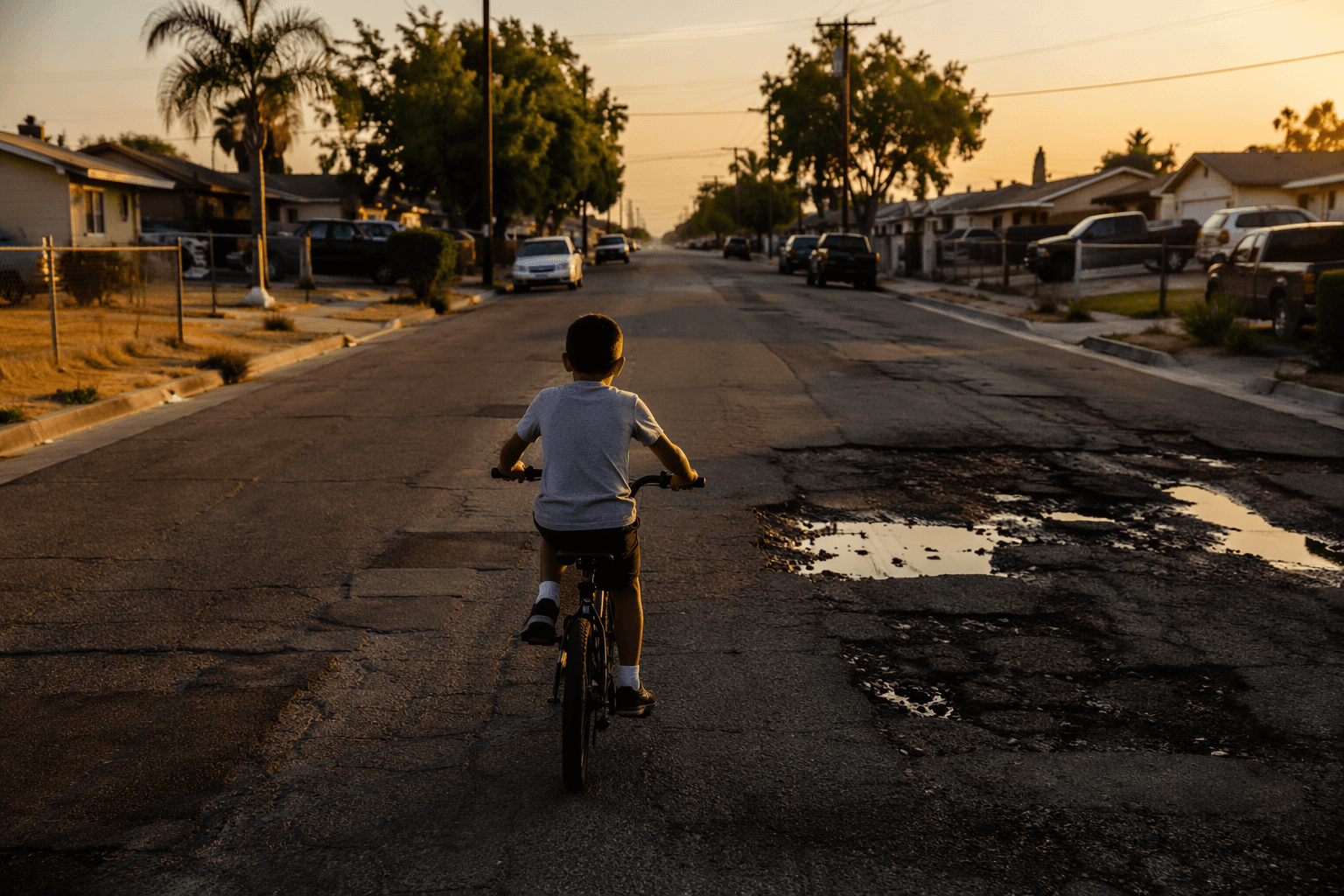
The spending plan relies on a mix of state grants, city funds and Fresno County Measure C transportation dollars. About $3.8 million of the neighborhood-development total is expected to come from the remaining Measure C balance, a reminder that Clovis still leans heavily on countywide transportation revenue for major local work. Measure C’s current extension was approved by Fresno County voters in November 2006 and runs through June 30, 2027.
That funding has already shaped some of Clovis’ biggest projects, including Clovis Transit, also known as Clovis Roundup Transit, and the Shaw Avenue widening project. The Fresno County Transportation Authority says Measure C has raised more than $2 billion locally and leveraged more than $8 billion in transportation investment across the county, giving Clovis a pipeline of money that has supported street maintenance, ADA improvements and wider transportation upgrades.
City leaders have spent more than $48 million over the last three years on neighborhood-development and community-improvement work, according to the budget materials, a sign that the current proposal is not a one-time burst but part of a sustained capital strategy. Clovis’ planning staff describes the Community Investment Program as a way to build new infrastructure while maintaining and repairing existing facilities to improve safety and security.
The Clovis City Council held its budget hearing June 1 and is expected to adopt the final 2026-27 budget by the end of June. The city’s biennial surveys, conducted since 2013, show officials have been tracking resident concerns about safety, the local economy and quality of life, and this spending plan reads like a direct response: less ceremony, more concrete work on the streets, alleys and neighborhoods people use every day.
This article was produced by Prism’s automated news system from verified source data, official records, and press releases, then run through automated quality and moderation checks before publishing. The system is built and supervised by the people who set the standards it runs under. Read our full AI policy.
Did this article answer your question?


