Clovis Unified interpreters say low pay, short hours hurt deaf students
Clovis Unified has about 13 certified interpreters for more than 50 deaf and hard-of-hearing students, and workers say capped hours are pushing families into unstable access.
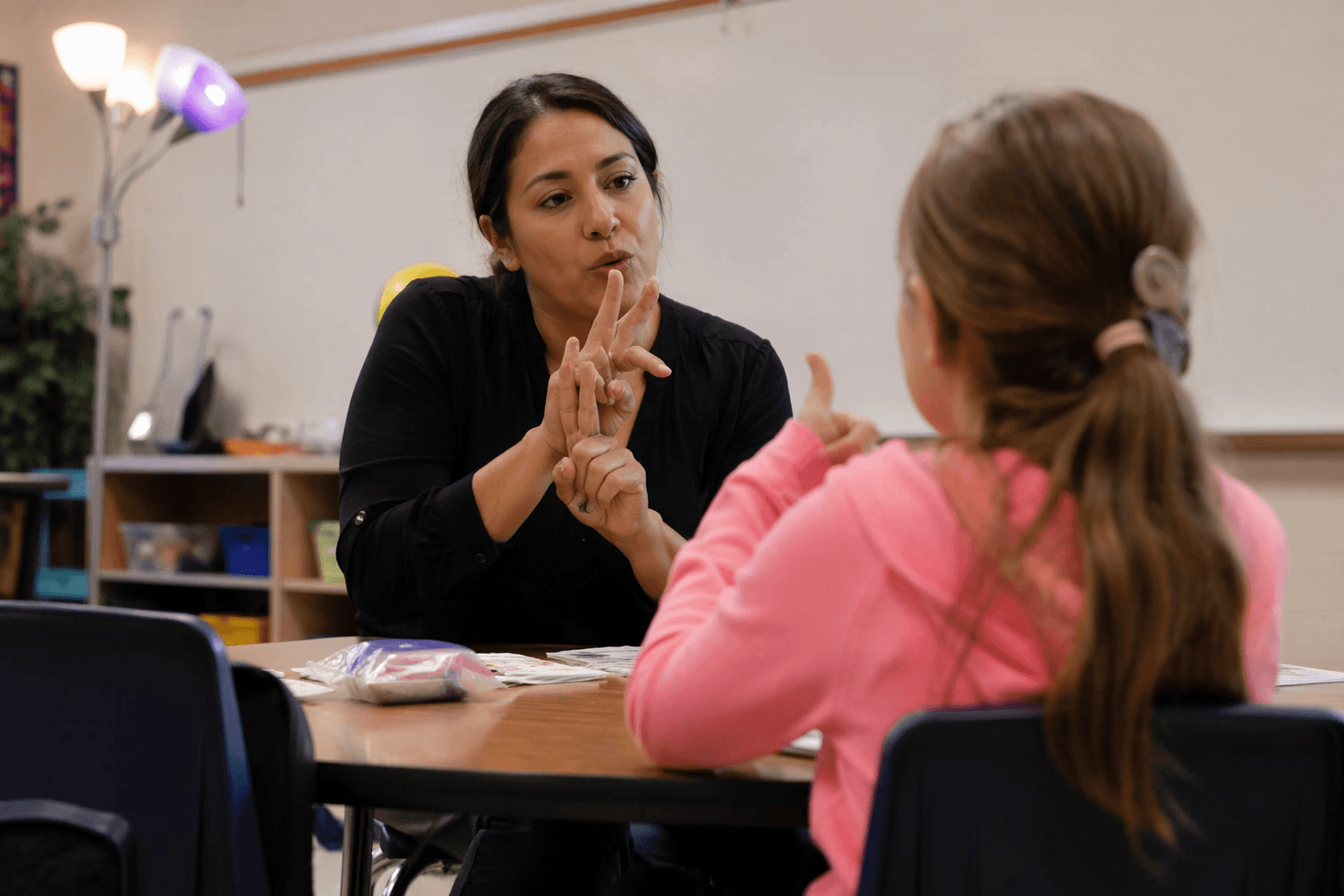
Clovis Unified’s deaf and hard-of-hearing students are caught in a staffing crunch that interpreters say is already disrupting classroom access in one of Fresno County’s largest districts.
The district has roughly 13 certified educational interpreters for more than 50 students who depend on them, according to workers. Interpreters say that balance is too thin to cover a district of about 42,000 students, especially when some staff members are assigned only 5.5 to 5.9 hours a day and cannot reach benefits-eligible status.
That pay structure, interpreters say, is helping drive people away. Workers say they earn about $38 to $41 an hour, but the short schedules make it hard to build a stable paycheck, and some leave class early when their shift ends. For students who rely on uninterrupted language access, that can mean sitting through part of the school day without understanding instruction, discussion or announcements.
The dispute has become a labor fight as well as an access issue. Interpreters say 11 left last year, though Clovis Unified says that figure is incorrect. The district says it lost only three interpreters and six instructional assistants over the past two years, underscoring a sharp disagreement over how severe the staffing problem has become.
At the center of the issue is more than compensation. California Department of Education rules define an educational interpreter as someone who facilitates communication between students who are deaf or hard of hearing and others in the general education classroom and in school activities, including extracurriculars, as called for in a student’s IEP. State regulations also require interpreters to meet approved certification, licensing or comparable standards, reflecting the importance of the role in providing legal access, not just convenience.
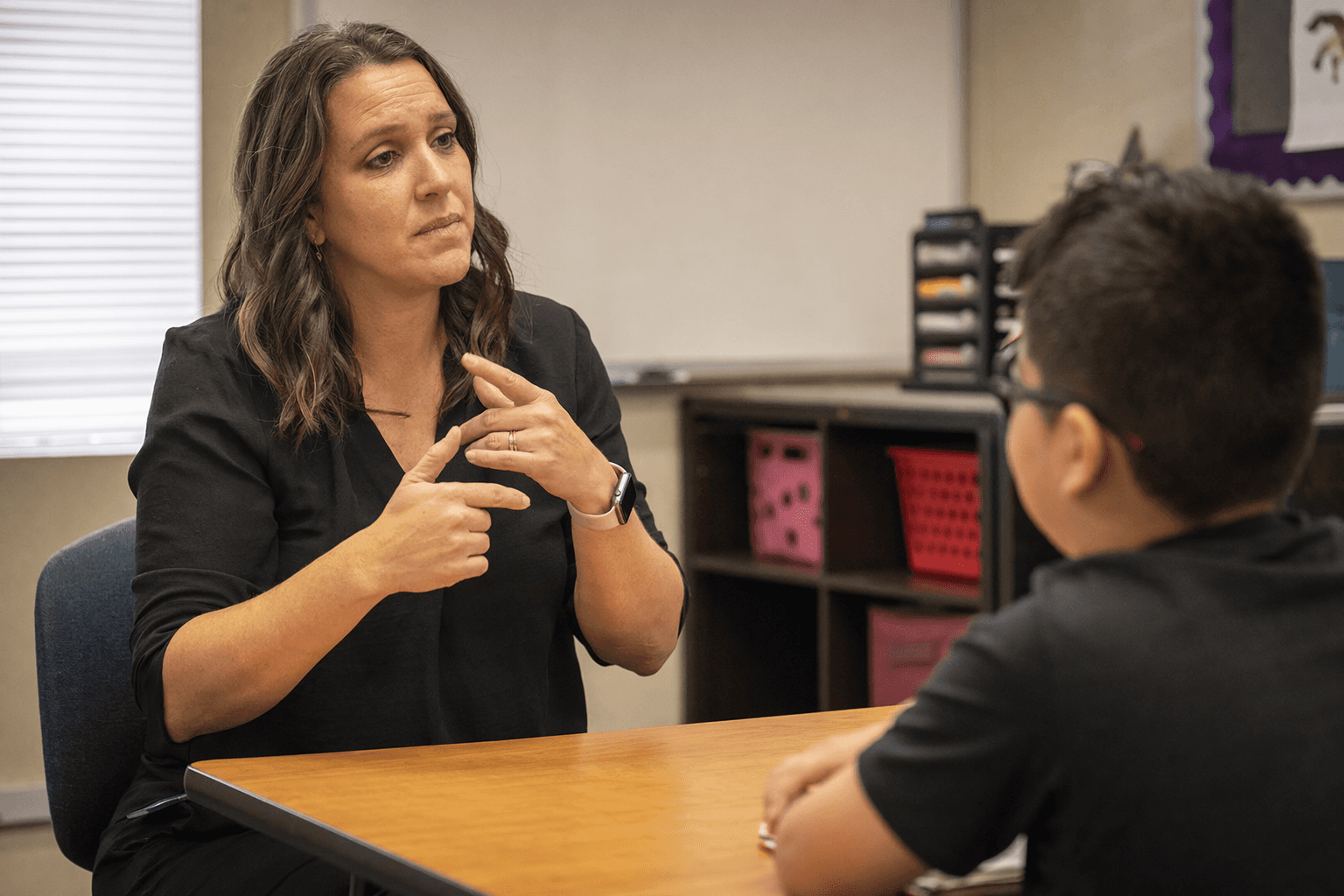
The Association of Clovis Educators has been pushing for higher wages and longer hours, arguing that other districts pay more and are better able to recruit and keep qualified staff. ACE’s ASL interpreter bargaining team includes Shonda Harrar, Kamryn Hermosillo, Peter Moreno and Devyn Morgan.
The stakes are larger than one bargaining table. A 2016 Legislative Analyst’s Office report estimated California served about 14,000 deaf and hard-of-hearing students a year and spent more than $400 million annually on their education. The California Department of Education has also emphasized that these students need fluent professionals and enough peer access to fully participate in school life.
Clovis Unified says it values all of its employees and is working through mediation toward a mutually agreeable solution. Its public board-agenda archive shows the dispute has remained active through May 2026, while families wait to see whether the district can fill the gap between what the law requires and what students are getting in class.
This article was produced by Prism’s automated news system from verified source data, official records, and press releases, then run through automated quality and moderation checks before publishing. The system is built and supervised by the people who set the standards it runs under. Read our full AI policy.
Did this article answer your question?