Dyer distances himself from One Fresno mailers backing council candidates
Dyer said the One Fresno Coalition is not his operation as mailers tied to the name spent nearly $30,000 in under two weeks.
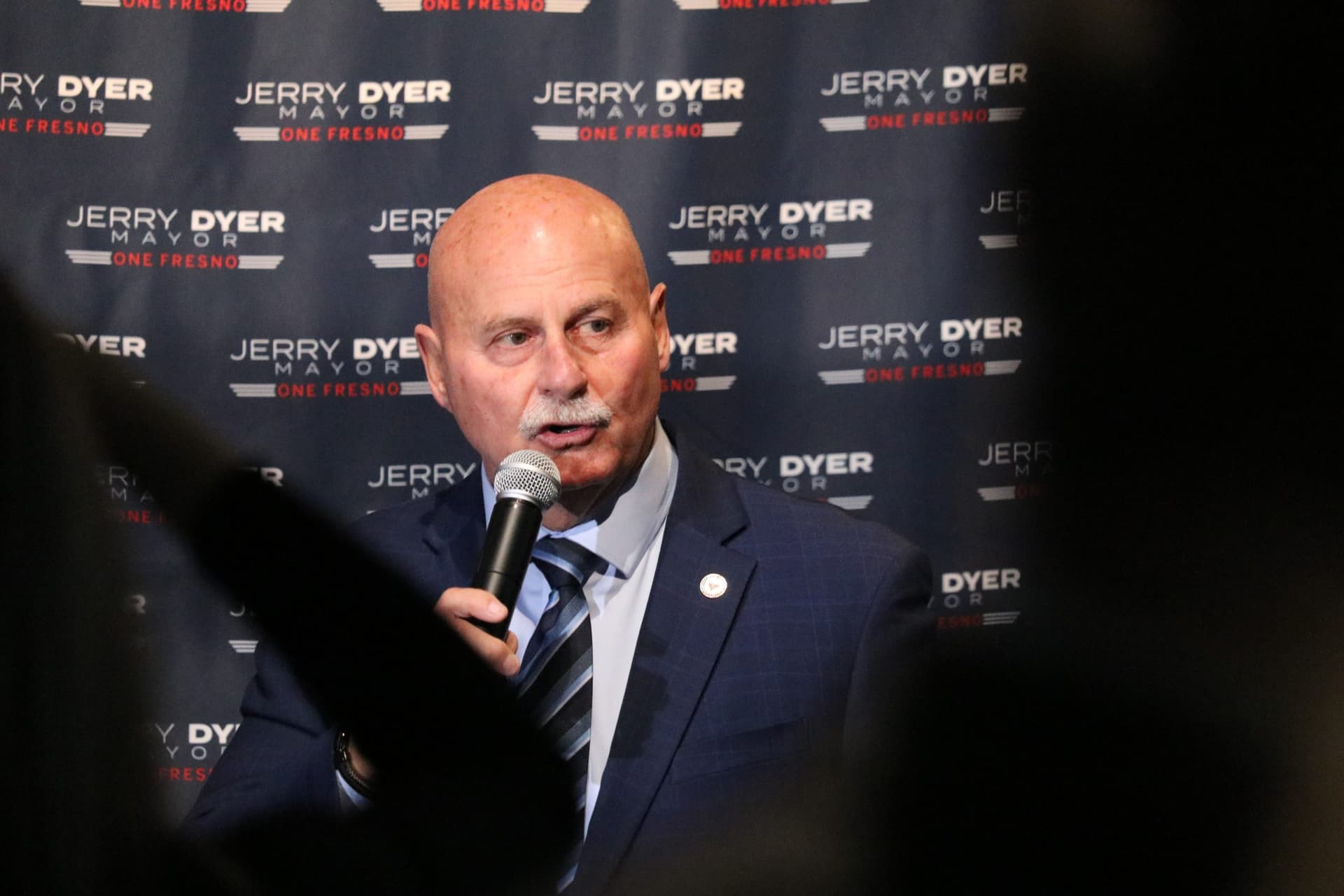
Mayor Jerry Dyer moved to distance himself from a mailer blitz that pushed nearly $30,000 into Fresno City Council races in less than two weeks. The bigger question for voters is not the branding, but the money trail behind the One Fresno Coalition and who is trying to shape the outcome.
The committee’s mailers backed four candidates running for council seats, but the source of the spending was not immediately clear. That leaves Fresno residents to sort through a familiar-sounding political label without knowing who formed the group, who is financing it, or whether the effort reflects a coordinated push in the city’s most competitive contests.
The timing matters. Fresno’s June 2, 2026 primary will decide council races in Districts 1, 3, 5 and 7, and the filing deadline passed March 6. Local attention has centered especially on the crowded District 3 race, where outside spending can cut through low-turnout conditions and reach voters who may only see a few mail pieces before they cast ballots.
The “One Fresno” wording carries extra weight in Fresno because the city itself uses it in official programs. The mayor’s office says Dyer is guided by a One Fresno vision, and city webpages use the phrase for efforts such as the One Fresno Youth Jobs Corps and the One Fresno Housing Strategy. Dyer was sworn in as mayor on Jan. 5, 2021, and won re-election in March 2024, so any campaign material echoing that label can easily blur the line between city branding and independent political spending.
That blur has already caused problems in Fresno politics. In a 2025 District 5 special-election cycle, anonymous mailers drew scrutiny from the Fresno City Attorney’s Office, underscoring how hard it can be to identify who is behind outside election spending before ballots are counted. Fresno’s strong-mayor charter system adds to the stakes, since the mayor can veto legislative and budget actions and carries more institutional weight than a typical city executive.
For voters, the issue is transparency. If a committee can spend tens of thousands of dollars under a name that closely matches the city’s own political identity, residents deserve to know who organized it, what races it targets and whether the message reflects civic policy or private influence. In a city where council decisions shape growth, housing and neighborhood priorities, the funding behind a mailer can matter as much as the names printed on it.
This article was produced by Prism’s automated news system from verified source data, official records, and press releases, then run through automated quality and moderation checks before publishing. The system is built and supervised by the people who set the standards it runs under. Read our full AI policy.
Did this article answer your question?


