Fresno approves Vision Zero plan, eyes red-light cameras at dangerous intersections
Fresno’s new safety plan targets zero deaths, but the real test may be whether red-light cameras ever reach crash-heavy spots like Friant and Shepherd.
Fresno approved a 121-page traffic safety plan Thursday, setting a zero-deaths goal that will now be judged by a hard local question: whether the city can cut fatal and severe crashes on the streets where people are still dying.
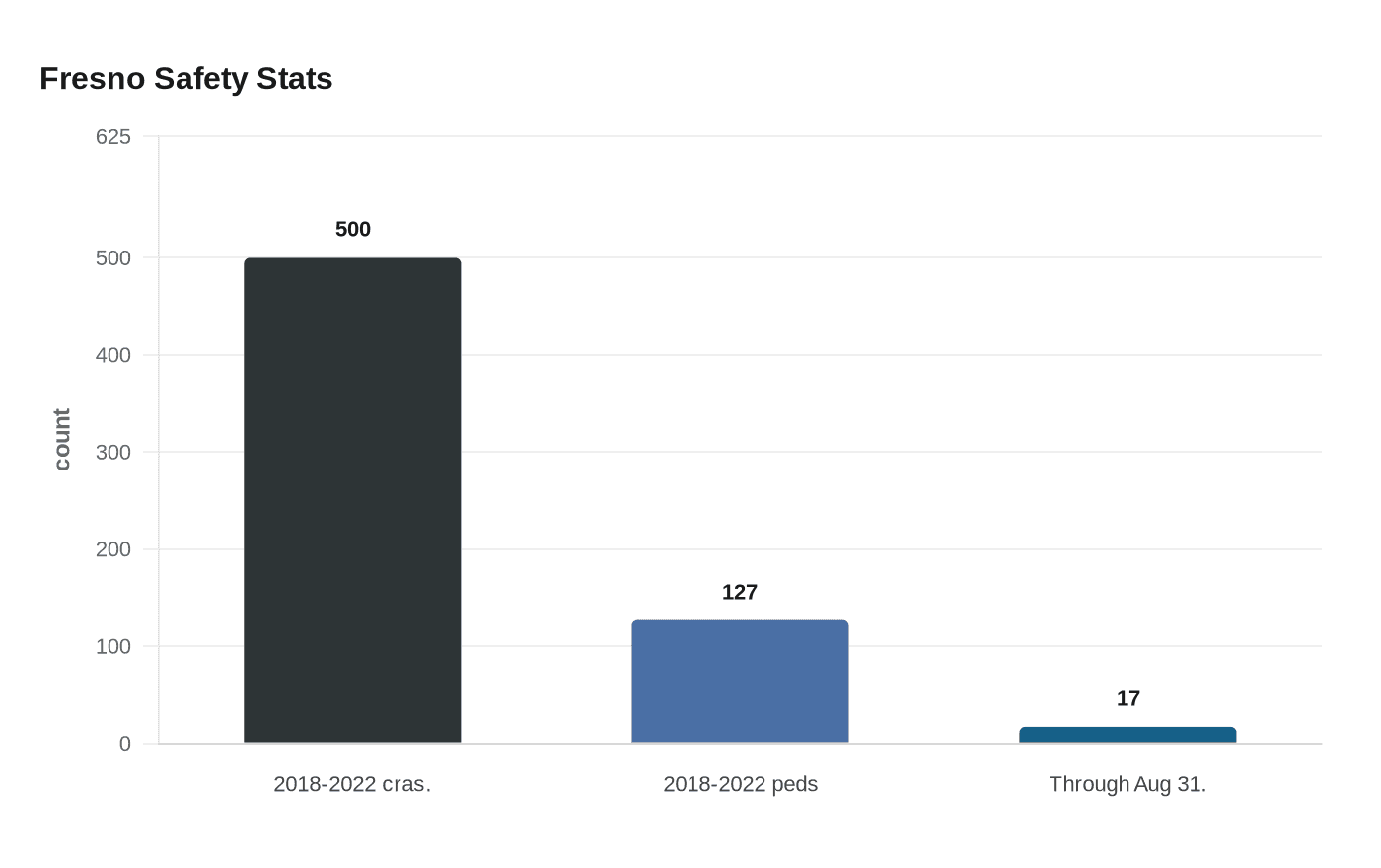
The Vision Zero plan calls for a broad shift in how Fresno designs its roads, with new signals, protected bike lanes and the possible use of red-light cameras at the city’s most dangerous intersections. City materials say the goal is to eliminate traffic fatalities and serious injuries. Between 2018 and 2022, Fresno recorded almost 500 fatal or serious injury crashes, and on average one person died every seven days on city roadways. During that same five-year span, 127 pedestrians were killed in crashes, accounting for half of all fatalities.
Councilmember Annalisa Perea said the plan was intended to put Fresno in a better position to win grant funding and start building more of the recommended fixes. The city is also using a data-driven prioritization model to rank projects over the next five years, concentrating on a high-injury network that covers a relatively small share of streets but a disproportionately large share of severe crashes.
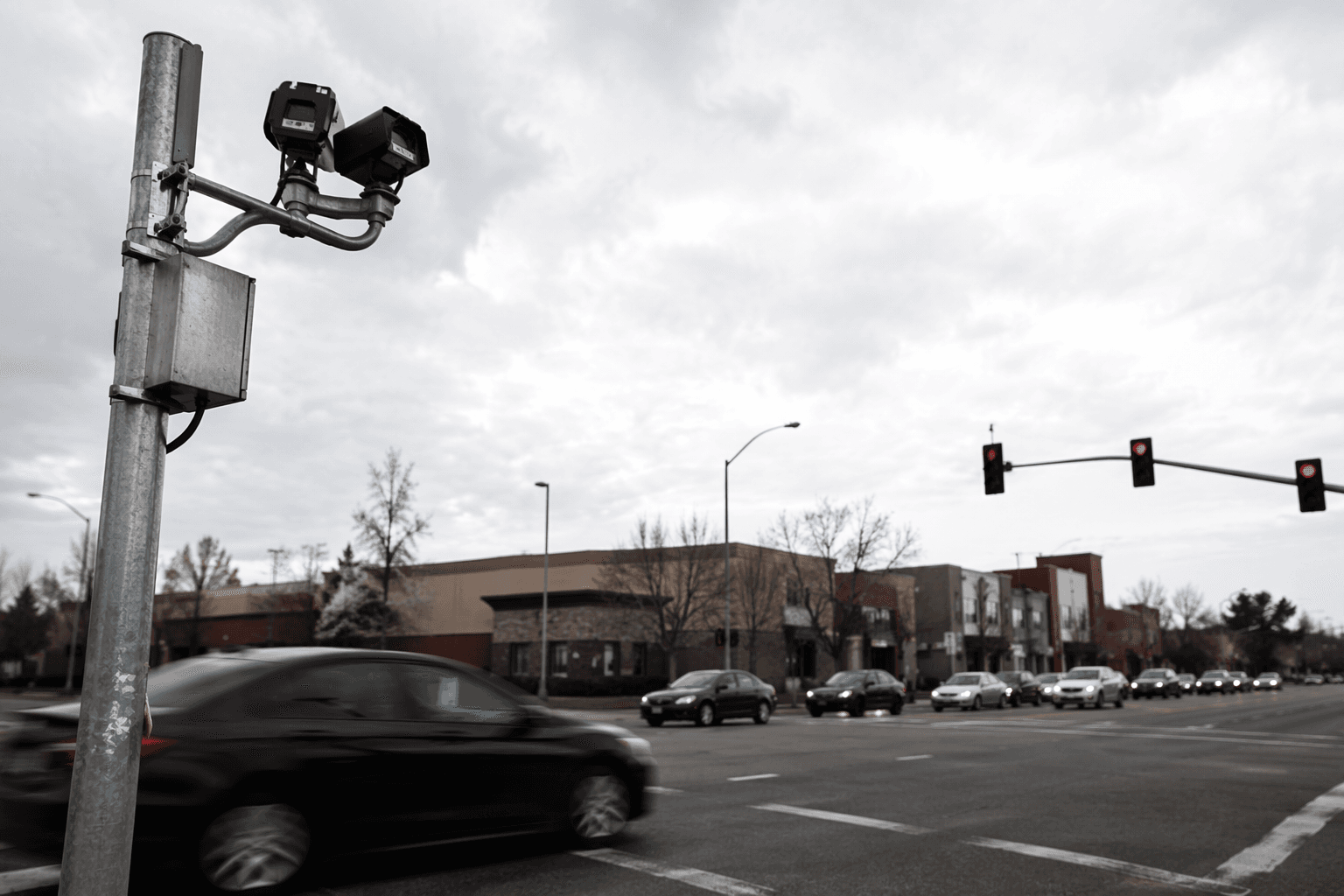
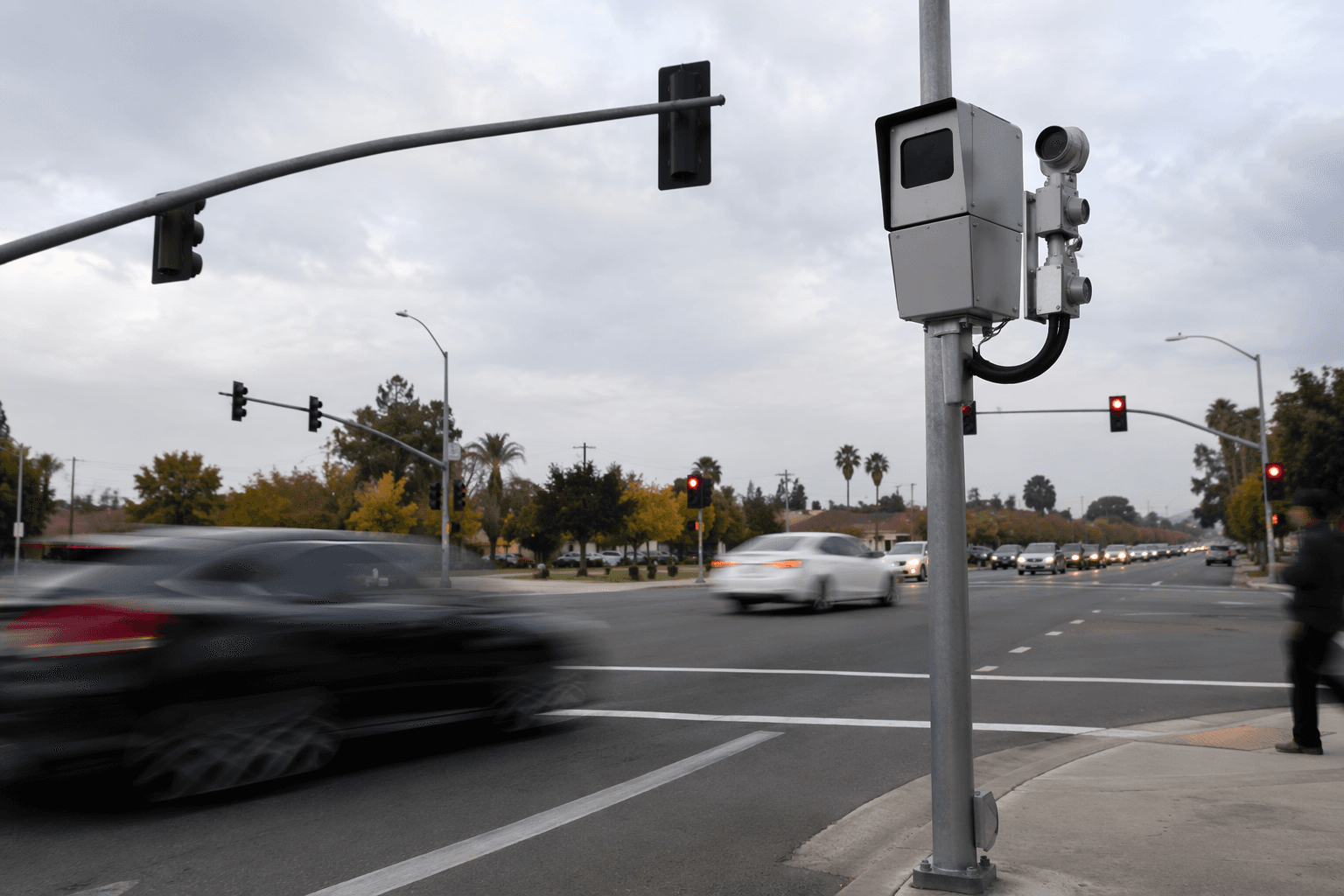
Red-light cameras emerged as one of the most closely watched pieces of the plan. Council President Nelson Esparza said Fresno should test the technology first at its worst crash locations, pointing to the Friant and Shepherd intersection as a possible pilot because of its crash history. That approach could give the city a clearer answer on whether automated enforcement reduces collisions where Fresno drivers face the highest risk.
The politics around cameras have changed since Fresno last tried them about 20 years ago, when Mayor Jerry Dyer was police chief. Dyer said older systems were harder to use effectively because investigators had to identify the driver. Under California’s newer framework, created by SB 720 and signed in 2025, the violation is civil rather than criminal, DMV point penalties are removed, and citations are mailed to the vehicle’s registered owner. The law also requires camera programs to be placed at intersections with heightened safety risk and in geographically and socioeconomically diverse locations.
Even with that legal path in place, cameras are not close to installation. Fresno still needs funding, and the full council must vote again before any system can go live. For a city still dealing with fresh losses, including 17 pedestrian and bicyclist deaths reported through August 31, 2025, the central issue is no longer whether traffic violence is real. It is whether Fresno’s zero-death plan produces measurable change on the corridors where the danger is already known.
This article was produced by Prism’s automated news system from verified source data, official records, and press releases, then run through automated quality and moderation checks before publishing. The system is built and supervised by the people who set the standards it runs under. Read our full AI policy.
Did this article answer your question?


