Fresno begins process to bring back red-light cameras
Fresno's 7-0 vote starts a three-year red-light camera pilot, but no cameras will switch on until staff names the sites and prices.

Fresno City Council voted 7-0 on Thursday to start a three-year automated red-light camera pilot, but the equipment will not go live right away. City staff still has to line up a vendor, compile proposed locations and cost estimates, and settle funding, with the Department of Public Works running the program alongside police.
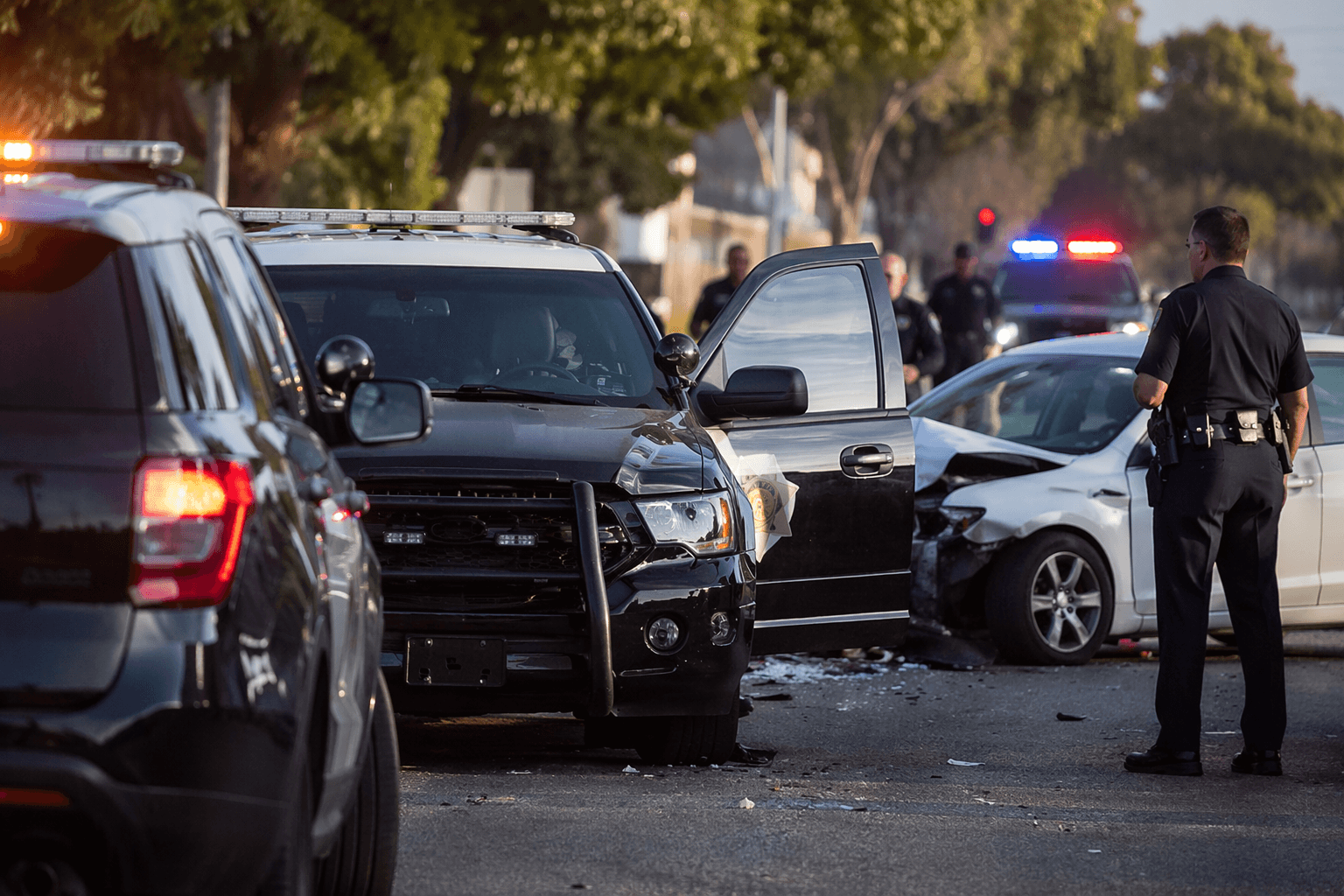
The city is returning to a tool it abandoned in 2005 after an earlier camera system, launched in 2002, issued 1,834 citations in 2003 and brought in more than $600,000. This time, Fresno leaders are framing the cameras as a safety tool, not a money maker. Joe Martinez, whose son Paul was killed by a speeding driver on June 5, 2013, near Clinton and Blackstone, backed the move: “We’re here to change behaviors.” The city’s Vision Zero action plan puts Fresno’s crash toll at 217 people killed and 629 suffering severe injuries from 2019 through 2023.
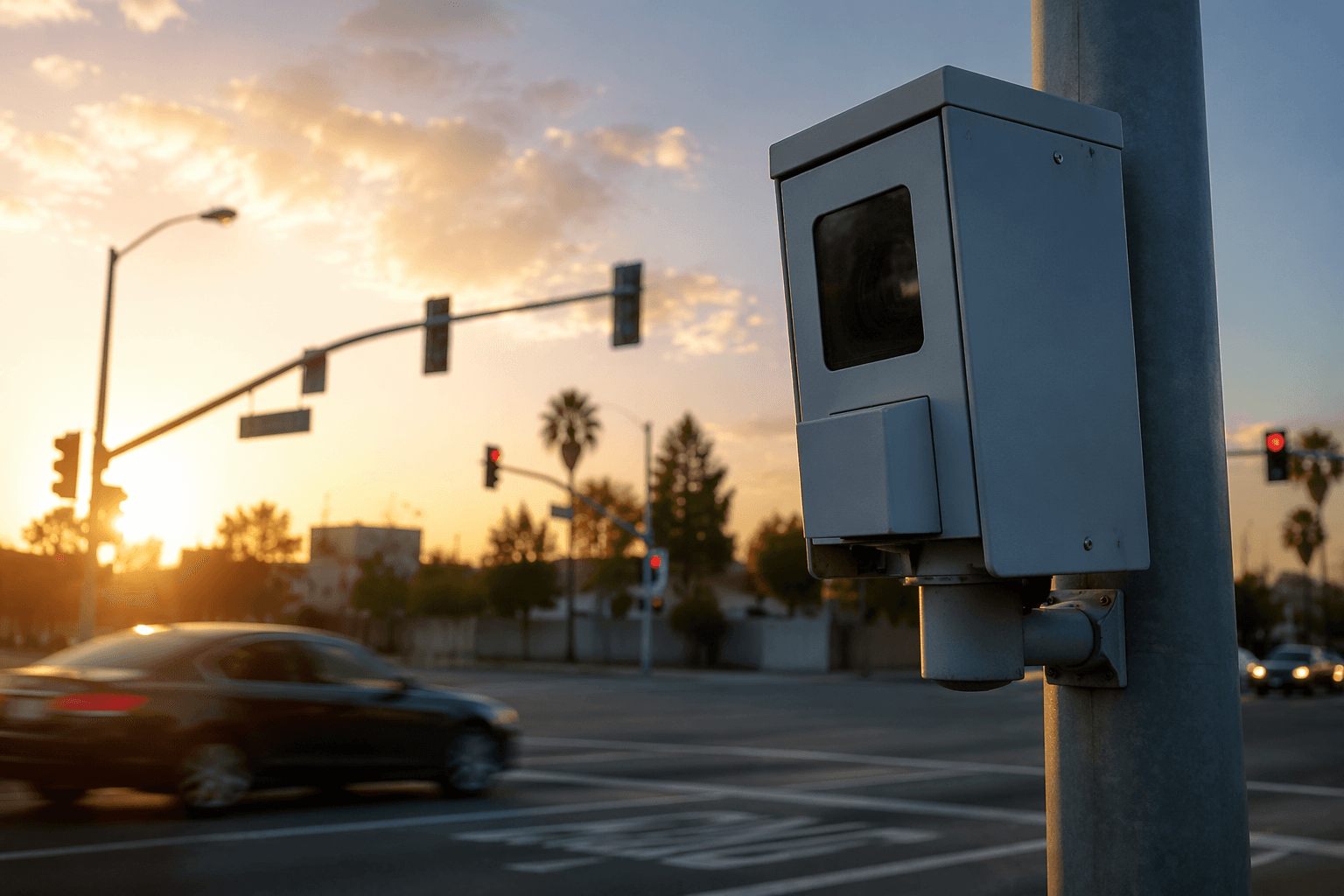
Senate Bill 720, which Gov. Gavin Newsom signed on Oct. 13, 2025, created the legal opening. The law lets local governments opt in to automated equipment that catches red-light violations, mails citations to the vehicle’s registered owner, and treats the offense as a civil penalty rather than a criminal ticket; those violations do not add points. Newsom’s signing message set the first offense at a $100 penalty, with repeat offenses reaching $500.
Fresno’s Vision Zero memo identified 21 of its highest-collision corridors and intersections, all on the High Injury Network, and the top five priority intersections and street segments are meant as early implementation opportunities. One crossing that already fits that safety profile is Friant and Shepherd, where police counted 15 collisions from January 2022 through the fatal 2023 crash that killed 22-year-old Amaya Chenot.
This article was produced by Prism’s automated news system from verified source data, official records, and press releases, then run through automated quality and moderation checks before publishing. The system is built and supervised by the people who set the standards it runs under. Read our full AI policy.
Know something we missed? Have a correction or additional information?
Submit a Tip