Fresno Caregiver Wins $50,000 Smile Restoration Second Chance Program
Fresno in-home caregiver Iris was selected from roughly 500 applicants to receive a $50,000 full smile restoration through a local Second Chance program, a life-changing series of surgeries and prosthetics to replace missing or failing teeth. Local oral surgeons and the clinic frame this award as both a clinical rehabilitation and a community investment with broad implications for health, dignity, and equity.
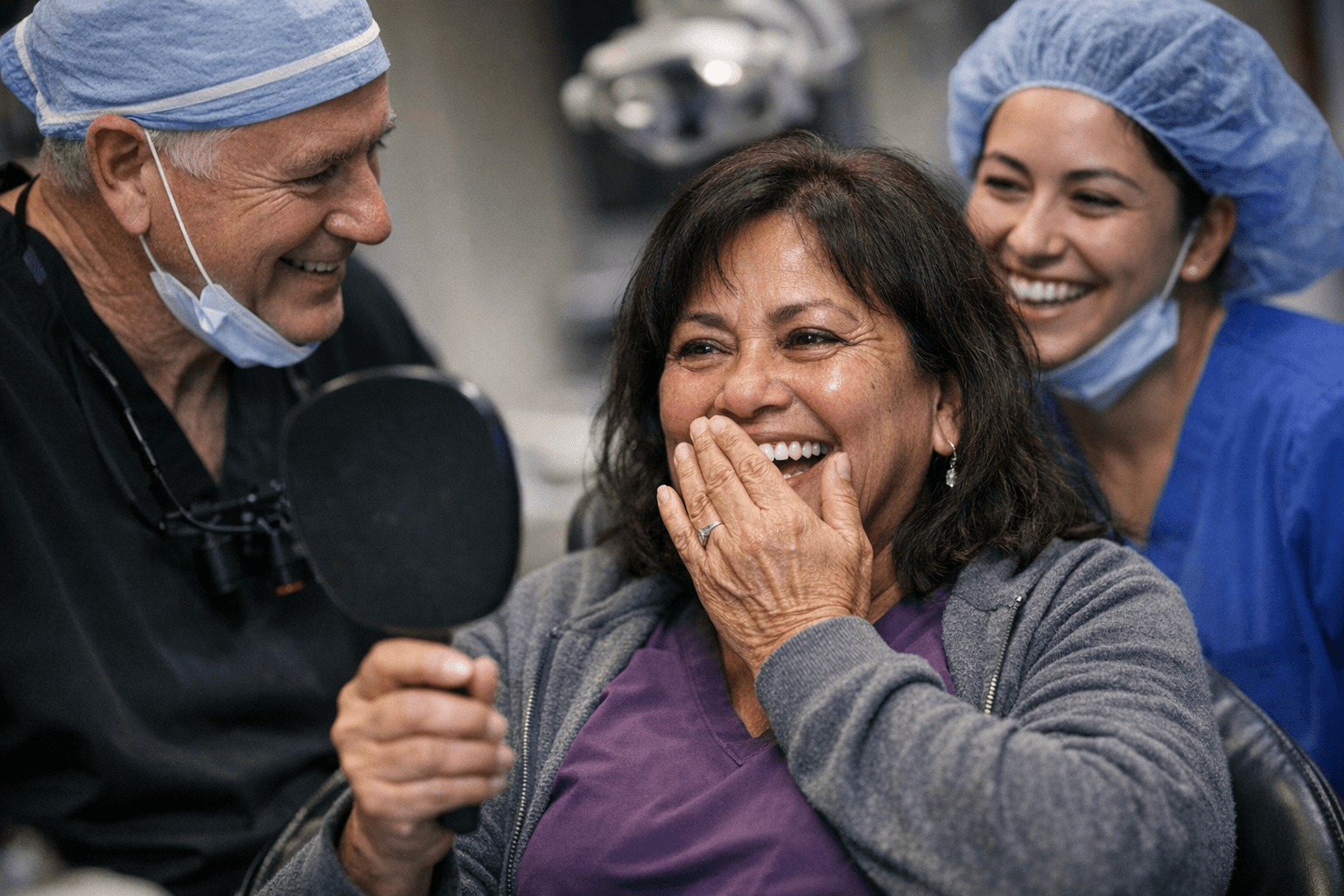
1. Iris: a Fresno caregiver chosen from about 500 applicants
Iris, an in-home caregiver from Fresno, was selected from approximately 500 applicants to receive the Second Chance $50,000 smile restoration. Her selection highlights both individual need and the intense local demand for advanced oral rehabilitation, underscoring how many community members face barriers to complex dental care. For many caregivers and low-income residents, such an award can remove financial barriers that would otherwise make implants and prosthetics inaccessible.
2. The Second Chance program and the administering clinic
The Second Chance program is administered by a local oral and maxillofacial surgery and dental implant center, which committed time, expertise, and materials to provide a comprehensive restoration at no cost to the recipient. That partnership model, combining surgical services, prosthetic design, and charitable funding, demonstrates how local clinical resources can be mobilized to address unmet oral health needs. For Fresno residents, the clinic’s public commitment reflects a role for private providers in expanding access where systemic coverage gaps exist.
3. What the $50,000 restoration covers: implants and custom prosthetic
The award covers full oral rehabilitation including dental implants to replace missing or failing teeth and a custom prosthetic to restore function and appearance. Dental implants are anchored into the jawbone and connected to a custom-made bridge or denture, delivering more stable chewing function and longer-term oral health benefits than removable dentures alone. For recipients like Iris, this means improved ability to eat, speak, and engage socially, outcomes that affect nutrition, employment opportunities, and mental well-being.
4. Clinical steps surgeons will follow in the months-long plan
Surgeons described a multi-step clinical pathway that typically begins with a comprehensive evaluation and imaging, followed by any necessary extractions, implant placement, a healing period for osseointegration, and final prosthetic fabrication and fitting. Each stage requires careful planning, from CT scans and surgical templates to temporary prosthetics that maintain function while implants heal. The sequential approach reduces complications and improves long-term outcomes, but it also means the full restoration unfolds over many months.
5. Timeline, logistics, and the emotional reality for patients
The process is months long and requires multiple clinic visits, periods of healing, and coordination for follow-up care. For an in-home caregiver like Iris, arranging time for appointments, transportation, and post-operative recovery introduces real logistical and emotional challenges; the award thus brings both relief and practical complexity. Clinicians and social supporters often need to help navigate scheduling, pain management, and temporary work disruptions, highlighting the interconnected social needs that accompany clinical care.
6. Health benefits beyond appearance: function and systemic implications
Restoring teeth with implants and a precise prosthetic delivers measurable health benefits: improved chewing efficiency, better nutrition, and reduced risk of infection linked to failing teeth. Oral health is tied to broader chronic conditions such as diabetes and cardiovascular disease; stabilizing oral infections and restoring function can therefore contribute to overall health management. Restorations that increase comfort and reduce pain also lessen reliance on emergency or episodic care, improving quality of life and lowering system costs.
7. Community significance and the clinic’s commitment to giving back
The clinic’s decision to run the Second Chance program signals a larger community investment: it channels specialized clinical skills and resources toward individuals who otherwise cannot afford such treatment. That type of local philanthropy fills critical short-term needs and raises awareness of oral health disparities in Fresno County. It also models how clinical institutions can partner with community organizations to identify candidates and support long-term follow-up care.
8. Social equity implications: cost barriers and access gaps
The case illustrates persistent inequities: advanced dental care such as implant-supported prosthetics can cost tens of thousands of dollars, putting them out of reach for many working residents and caregivers. Programs like Second Chance provide targeted relief but cannot substitute for systemic changes in how dental services are financed and integrated into primary health care. Addressing inequity will require policy attention to affordable coverage, expanded safety-net services, and local investments that reduce financial and logistical barriers to care.
9. Public health lessons and policy considerations for Fresno County
This story spotlights public health opportunities: integrate oral health screening into community clinics, expand outreach to caregivers and low-income households, and strengthen referral pathways to specialty care. Policymakers and health systems can consider incentives for pro bono specialty services, partnerships that subsidize high-cost procedures, and advocacy for more comprehensive dental benefits in public insurance. Strengthening these systems reduces downstream costs and aligns clinical care with equity goals.
10. How residents and community groups can support similar efforts
Local residents and organizations can support similar initiatives by advocating for expanded dental coverage, donating to clinic-based charitable programs, and volunteering to help with transportation or caregiving support during treatment periods. Community awareness, ensuring neighbors know about local programs and how to apply, also helps target resources to those in greatest need. Sustained community-clinic partnerships will be crucial to broaden access beyond one-time awards and to build a more equitable oral health infrastructure for Fresno County.
This article was produced by Prism’s automated news system from verified source data, official records, and press releases, then run through automated quality and moderation checks before publishing. The system is built and supervised by the people who set the standards it runs under. Read our full AI policy.
Did this article answer your question?