Fresno City Council candidates offer competing plans to address homelessness
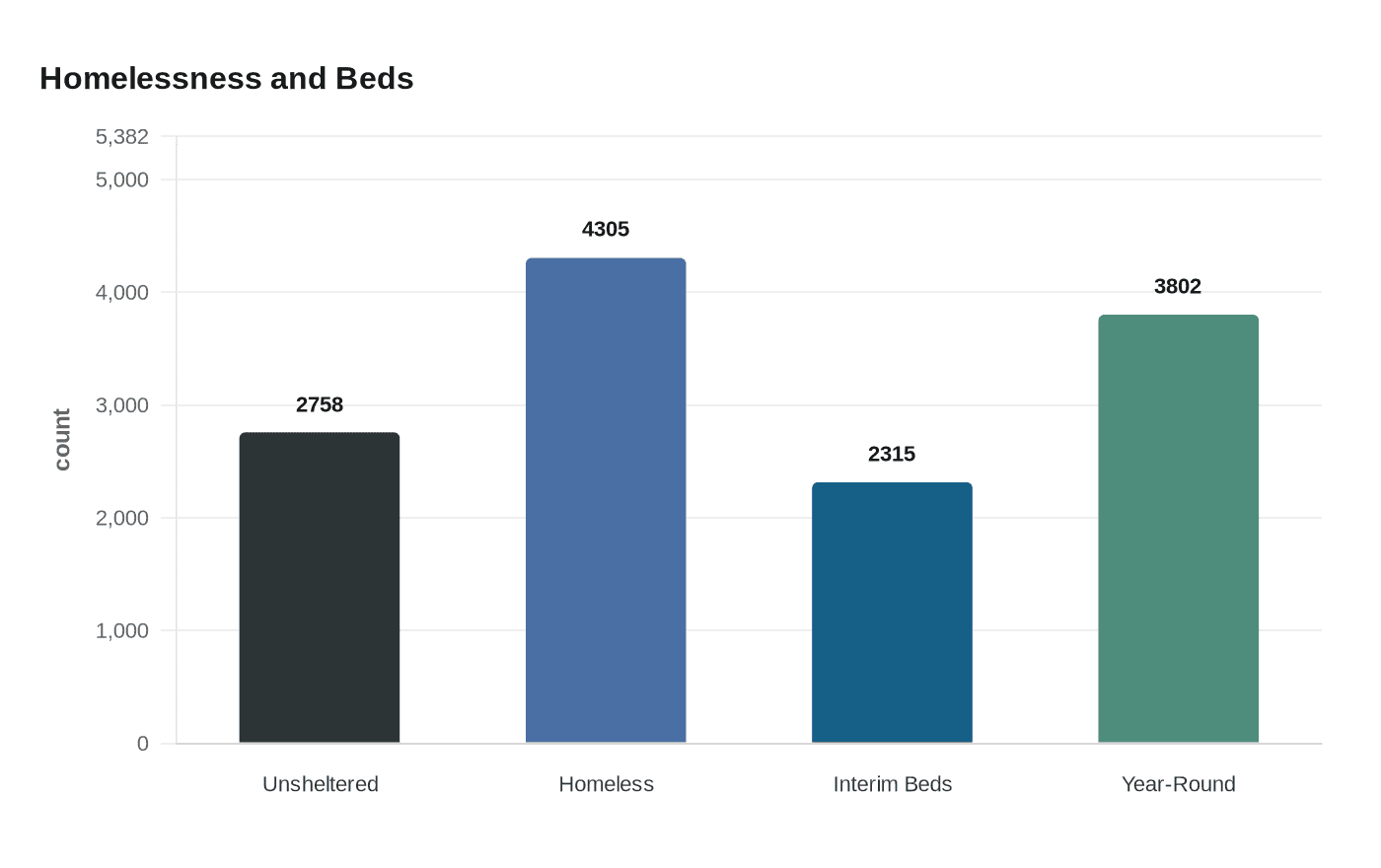
Fresno’s homeless count still far outstrips bed space, forcing council candidates to defend plans against hard numbers: 2,758 unsheltered people and just 2,315 interim beds.

Fresno’s homeless crisis is already bigger than the region’s shelter system can absorb. Fresno County counted 2,758 unsheltered people in 2024, but the county’s latest dashboard showed only 2,315 interim housing beds and 3,802 total year-round beds, a gap that makes every council candidate’s promise about homelessness come down to capacity, money and speed.
That reality is landing in the Fresno City Council races for Districts 1, 3, 5 and 7, which go to a primary on June 2. If no one wins outright, the runoff or general election is set for November 3. City Council members are elected by district and serve four-year terms, and Fresno’s staggered schedule means only the odd-numbered districts are on the ballot this cycle.
The pressure is not theoretical. Fresno County’s dashboard lists 4,305 people experiencing homelessness in 2024, while a 2026 California Housing Partnership report says 33,976 low-income renter households lacked access to an affordable home. The same report found average asking rent in Fresno County had reached $1,430, and renters needed to earn $27.50 an hour to afford it. That is why proposals centered on quick fixes are running into a basic math problem: demand is much larger than the available housing pipeline.
Candidates are putting forward different answers, but the numbers make the tradeoffs plain. Plans that lean on more shelter and tighter city-county coordination have to contend with the fact that Homeless Housing, Assistance and Prevention funding in the Fresno area connected 10,964 people to services and housed 3,797 people from January 2023 to June 2025, yet the street population remained high. Plans that rely on more aggressive encampment enforcement also face limits. Caltrans removed 4,474 encampments in Fresno County between July 1, 2021 and February 13, 2026, but a preliminary 2025 Point-in-Time count still showed homelessness in Fresno and Madera counties had risen about 3 percent, including a 10 percent increase in unsheltered homelessness.
The Fresno Madera Continuum of Care, which oversees the annual Point-in-Time count required in the last week of January for communities receiving McKinney-Vento funds, has kept measuring the same shortage year after year. That leaves Fresno’s next City Council with a blunt test: whether campaign promises can turn into beds, services and enforcement that match the scale of the crisis.
This article was produced by Prism’s automated news system from verified source data, official records, and press releases, then run through automated quality and moderation checks before publishing. The system is built and supervised by the people who set the standards it runs under. Read our full AI policy.
Did this article answer your question?


