Fresno Council Approves Measure C Renewal Plan, Sets November Vote
On December 19, 2025 the Fresno Council of Governments Policy Board approved a Measure C Renewal Plan Package that will go to voters in November 2026. The plan projects about 7.39 billion dollars in countywide transportation spending if renewed, and includes amendments that change funding ranges for disadvantaged unincorporated communities pending a needs assessment.
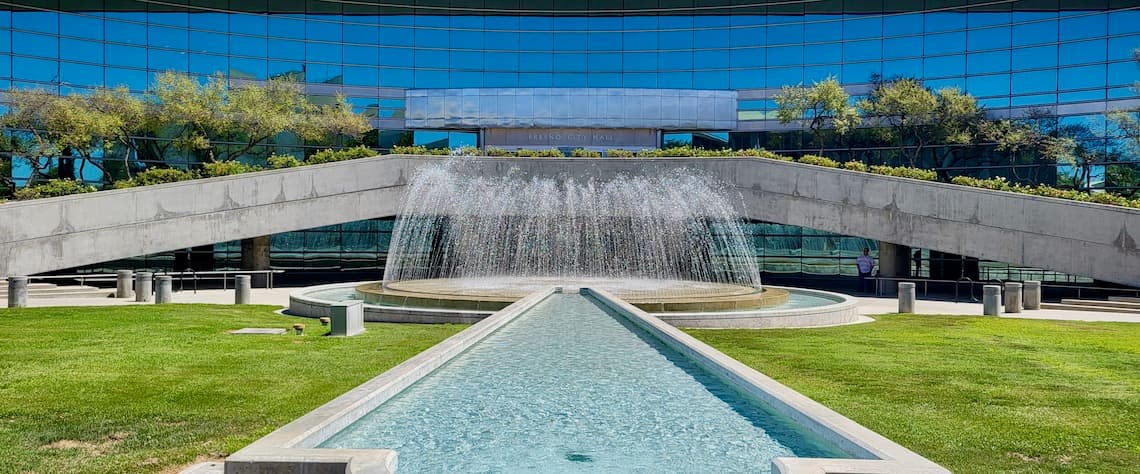
The Fresno Council of Governments Policy Board on December 19 approved the Measure C Renewal Plan Package, advancing a comprehensive transportation funding proposal to city councils across Fresno County and to the Fresno County Board of Supervisors for further review before voter consideration in November 2026. If voters approve the renewal, the package projects roughly 7.39 billion dollars in transportation spending countywide.
Key amendments adopted by the board address which vehicle related expenses will be eligible for Measure C funding, and revise the funding range for disadvantaged unincorporated communities from 12 to 15 percent down to 7 to 15 percent, with the final allocation subject to a needs assessment. Those changes were presented as part of an effort to balance competing priorities including road repairs, public safety and accountability for transportation dollars.
The approval by the Policy Board is the latest step in a multi stage process. The plan now proceeds to individual city councils and to the County Board of Supervisors for additional review and approvals required before placement on the November ballot. Voters across Fresno County will ultimately decide whether to renew the Measure C package and the spending priorities it establishes for the coming years.
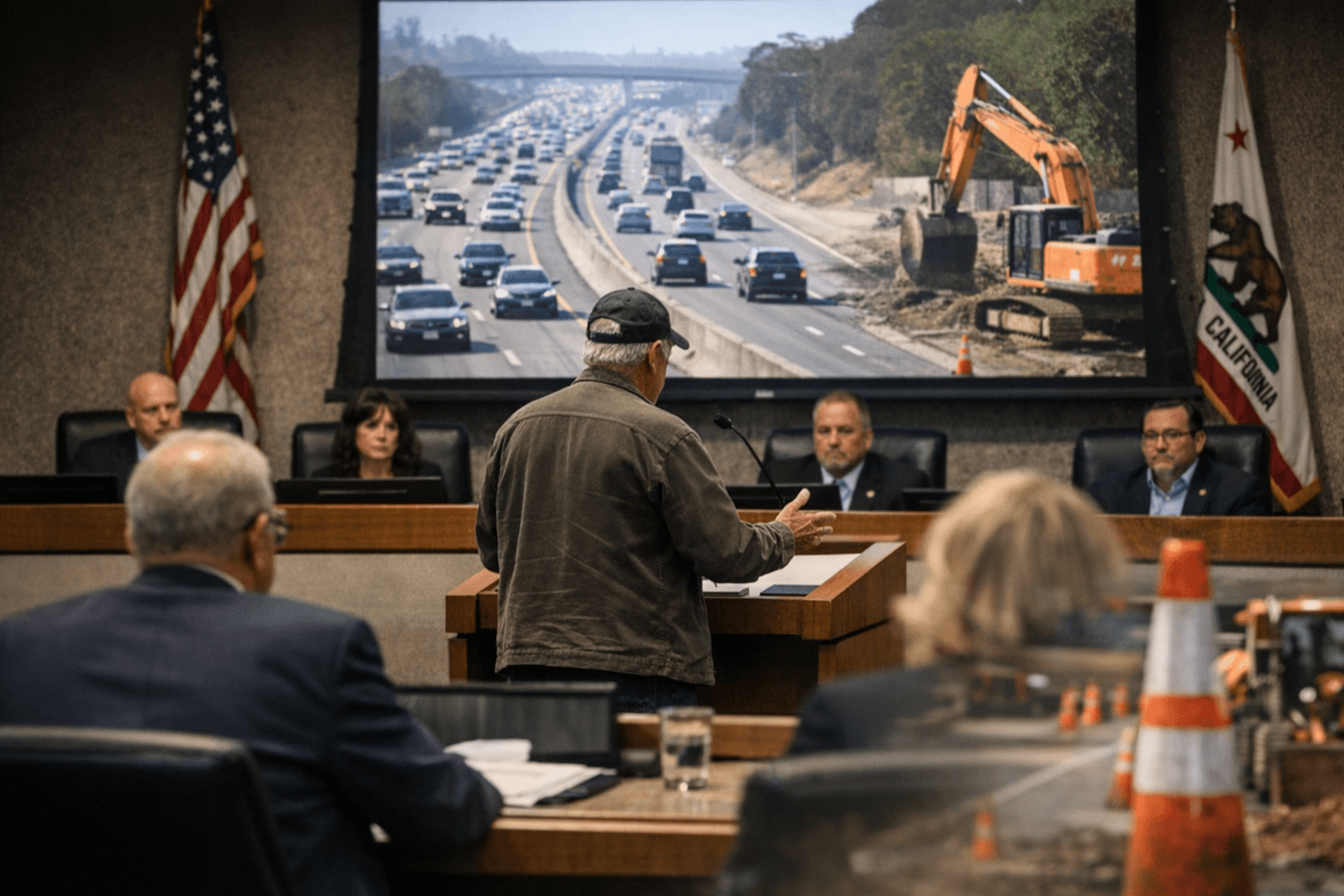
For Fresno residents the proposal carries immediate implications for everyday travel and local budgets. Projected countywide spending could fund a range of transportation projects depending on final program design and local decisions. The adjusted funding range for disadvantaged unincorporated communities signals that officials are weighing equity alongside broader county needs, while the needs assessment will determine how much those communities receive.
Locally elected officials framed the plan as an attempt to strike a balance between maintaining infrastructure, enhancing safety and ensuring fiscal oversight. The debate that follows at city council and county supervisor hearings is likely to center on how the plan distributes resources across urban and rural areas, and how the measure will be implemented if approved by voters. The decision next November will shape Fresno County transportation priorities for years to come, reflecting wider global trends in how jurisdictions reconcile infrastructure investment with equity and accountability.
Know something we missed? Have a correction or additional information?
Submit a Tip