Fresno Council Passes Resolution to Study Corporate Ownership of City Housing
Fresno County leads California with 5.9% of single-family homes owned by big investors — now the city council wants answers.
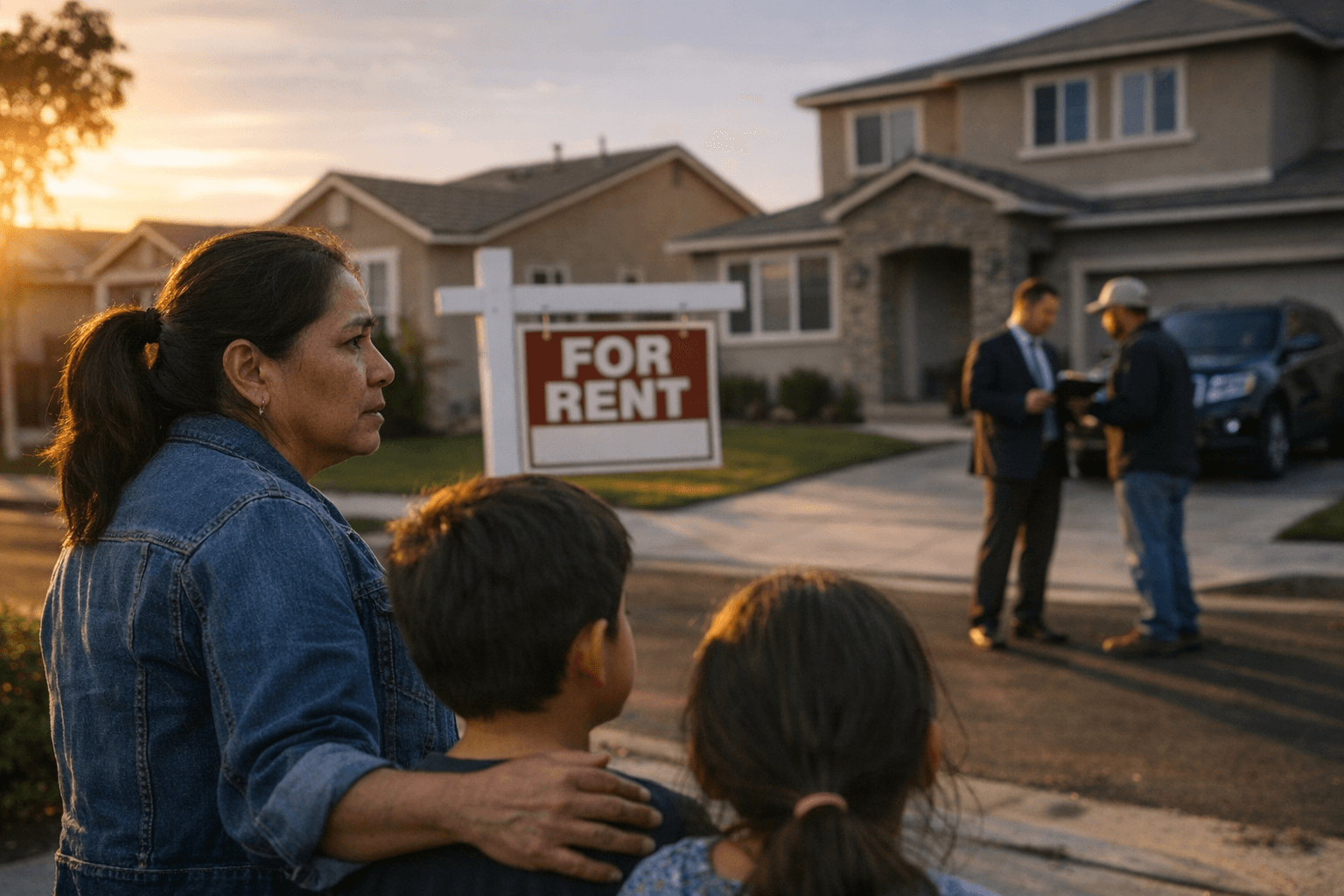
The Fresno City Council passed a resolution March 19 directing a study of corporate ownership concentration in the city's housing stock, a measure sponsored by Councilmember Annalisa Perea that now awaits action from the mayor, who retains veto authority over the item.
The resolution, filed as ID 26-347, instructs city staff to examine what Perea's office called "the concentration of ownership and corporatization of the city's housing stock." The measure was amended during the council meeting before its final passage, and the public comment record submitted to the council was substantial enough to require its own supplement packet. The study aims to address community concerns about how rising corporate ownership of rentals affects local residents and housing affordability.
Fresno sits at the center of a statewide debate over institutional landlords precisely because of how concentrated the problem already is here. According to the California Research Bureau, Fresno County has the highest share of single-family homes owned by big investors of any county in California, at 5.9%. That figure is not driven by a distant Wall Street firm buying up entire ZIP codes: the largest single owner in Fresno is JD Home Rentals, a local company with a portfolio of roughly 2,000 homes clustered within the region.
The national backdrop to Fresno's debate traces to 2012, when Invitation Homes, originally backed by the private equity firm Blackstone, began purchasing distressed single-family homes, rehabilitating them, and placing them on the rental market. The company has since gone public and now owns 84,567 homes nationally, including 11,862 in California, according to its most recent Securities and Exchange Commission filing.
Fresno's concentration fits a pattern that researchers and economists have identified across the San Joaquin Valley. Institutional investors tend to target markets with rapidly growing populations and relatively low real estate prices compared to rents. Laurie Goodman, an economist at the Urban Institute, noted that profile fits certain California submarkets but not the state broadly. "That does not describe California at all," Goodman said, adding that when large investors do enter the state, they concentrate in the Inland Empire, the southern half of the San Joaquin Valley, and the Sacramento suburbs.
Research on the effects of that concentration presents a mixed picture. One study found that single-family neighborhoods with higher shares of corporate ownership saw modestly higher rents than comparable areas, with researchers concluding that landlords with outsized control over a neighborhood's housing stock could extract above-market rents from tenants. The same researchers identified a counterweight: by coordinating security improvements across clusters of properties, corporate owners were sometimes able to reduce crime and, in their phrasing, "enhance neighborhood quality."
The resolution passed with an amendment made during the meeting, meaning the final text differs from the version originally filed on March 12. The mayor's office has not yet announced a position on the measure.
This article was produced by Prism’s automated news system from verified source data, official records, and press releases, then run through automated quality and moderation checks before publishing. The system is built and supervised by the people who set the standards it runs under. Read our full AI policy.
Did this article answer your question?


