Fresno County Blossom Trail showcases orchards, farm stands and small towns
The Blossom Trail turns Fresno County into a spring day trip, linking Sanger, Reedley and other farm towns with orchards, roadside stops and rules for visiting active farms.

The quickest way to spend a full day in Fresno County this spring is to follow the Blossom Trail from one farm town to the next, stopping for blossoms, fruit stands and lunch in places that still feel tied to the orchards around them. The route is a self-guided motor or bicycle tour, and it works best when you plan for a slow drive, a few public-road photo stops and time to buy local along the way.
What the Blossom Trail covers
The Blossom Trail is organized by the Fresno County Blossom Trail Committee, a partnership that includes the County of Fresno and the chambers of commerce in Sanger, Kingsburg, Reedley, Orange Cove, Selma and Fowler. The county describes the route as a way to showcase farms, orchards, rural communities, farm stands, special events and a few historical points of interest, which is exactly why it feels less like a scenic loop and more like a moving snapshot of the county’s agricultural spine.
The trail is framed as both a motor tour and a bicycle tour. County tourism materials put the loop at about 62 miles, while Visit Fresno County describes it as nearly 70 miles, so the practical takeaway is simple: it is a long enough drive to fill a day, but short enough to leave room for lunch, a farm stop and a few detours into town.
When to go for the best bloom
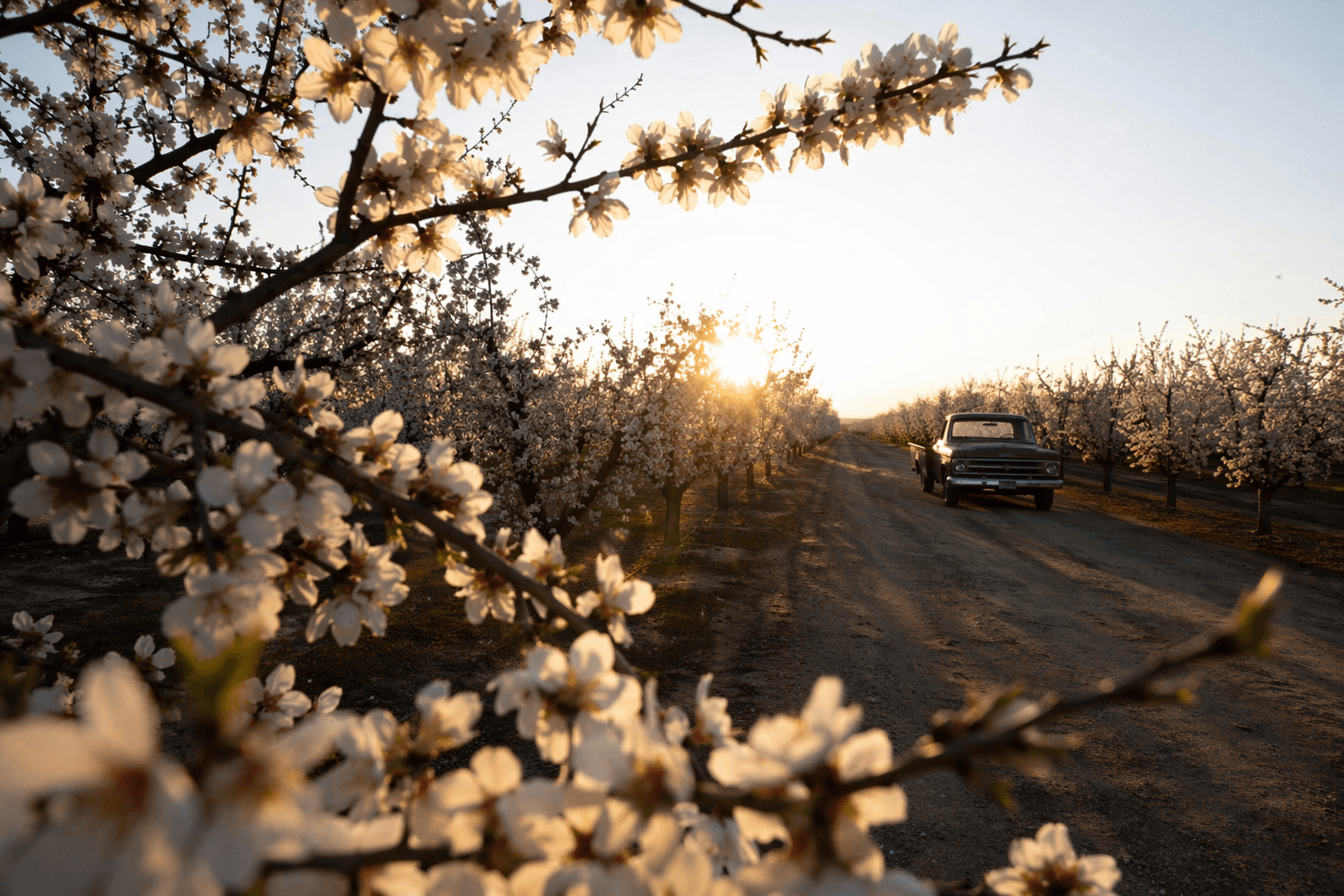
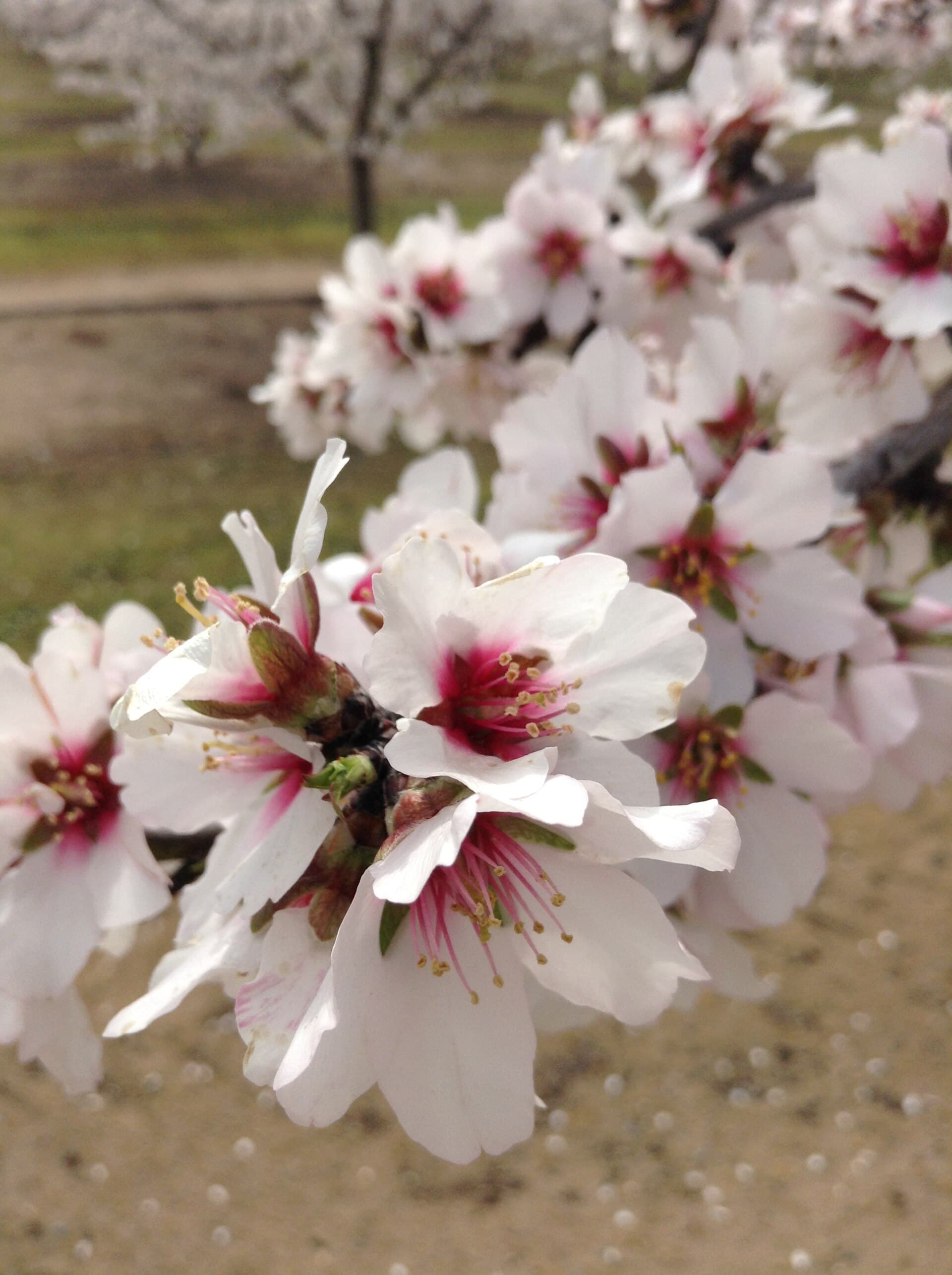
Bloom season typically begins in mid-February and runs through mid-March, with citrus blossoms often lasting into April. That window matters, because the look of the trail changes as stone fruit, almonds and citrus move through different stages of bloom, and the peak can shift with weather.
Visit Fresno County says peak bloom typically hits in mid-February depending on weather, which makes early to mid-February the safest bet for catching the strongest floral display. Later visits can still pay off, especially if citrus is still blooming, but anyone hoping for the fullest roadside color should not wait until late March and expect the same scene.
Where the route feels most worth the drive
The trail works because it connects recognizable small towns rather than just farmland. Sanger, Kingsburg, Reedley, Orange Cove, Selma and Fowler each give the route its own local feel, and the drive makes those communities part of the experience rather than a place you pass on the way to somewhere else.
For a classic stop, Visit California highlights Simonian Farms, a four-generation fruit stand and model Western town. It also points visitors to the Blossom Trail Cafe, the Fruit Station in Centerville, Cedar View Winery near Frankwood Avenue and Hillcrest Farm in Reedley, where a miniature steam train circles the orchards. Those are the kinds of places that turn a bloom drive into an all-day outing, with a mix of food, family stops and a few scenes that feel distinctly Fresno County.
Visit Fresno County’s stop guide also spotlights the Blossom Trail Cafe in Sanger at 922 N Academy Ave, Sanger, CA 93657. That kind of named, easy-to-find stop is useful for families planning around lunch, because it anchors the route with a concrete place to pause instead of a vague “somewhere along the trail” recommendation.
How to visit without disrupting working farms
The Blossom Trail runs through active farms, not a public park, and the county and tourism office both stress that visitors need to stay on public roads. Orchards along the route are private property, so photos should be taken from the roadside shoulder, cars should be parked fully off the road, and visitors should not enter orchards or pick blossoms.
The county also discourages dogs on the trail, partly because many orchards are patrolled by farm dogs. Visit Fresno County adds another practical reminder: use designated stops and fruit stands, and keep to public roads. That guidance matters because the trail is meant to be enjoyed without interfering with the people who actually work the land.
Why the trail matters beyond spring scenery
The Blossom Trail is not just a seasonal drive. ABC30 has described it as a long-running community tradition, noting its 35th season in 2023, its 36th season in 2024 and its appeal to tourists for 32 years in 2020, which places the route’s roots in the late 1980s. Organizers have also said the trail helps bring people to the area and boost the local economy, and the route has been tied to opening ceremonies at places like Reedley College Farm and Sanger Park on Academy Avenue.
That economic role is easier to see when the trail is placed inside Fresno County’s broader tourism and agriculture numbers. Visit Fresno County says travelers spent $1.48 billion in the county during 2024. The same tourism office says almonds are Fresno County’s No. 1 commodity, grossing $1.4 billion in 2021, and that local farmers produce roughly 728 million pounds of almonds a year, about 25% of California’s total almond production. In other words, the blossom drive is also a public window into one of the county’s most important industries.
A route that works for drivers and cyclists
The trail’s design gives it unusual flexibility. Families can drive it at a pace that allows for snack breaks and photo stops, while cyclists can treat it as a full ride through orchard country. County Supervisor Nathan Magsig, described locally as a cycling enthusiast, has been among those drawn to the route on two wheels, which fits the way the Blossom Trail straddles recreation and rural life.
The annual Kings River Blossom Trail Bike Ride extends that idea further, turning the bloom season into something that can be experienced from the saddle as well as from the car seat. That blend of movement, small-town stops and working farmland is what keeps the trail useful year after year: it gives Fresno County families a reason to leave town for the day, support local businesses on the route and see how much of the county’s identity is still written in orchards.
This article was produced by Prism’s automated news system from verified source data, official records, and press releases, then run through automated quality and moderation checks before publishing. The system is built and supervised by the people who set the standards it runs under. Read our full AI policy.
Did this article answer your question?


