Fresno County braces for major budget cuts under federal bill
Public health, CalFresh and indigent care are first in line as Fresno County faces a budget hole that could reach $294.5 million under H.R. 1.
The One Big Beautiful Bill Act could leave Fresno County facing a budget hole as large as $294.5 million, with public health, Medi-Cal-linked indigent care and CalFresh hit first. The county serves more than one million residents across more than 6,000 square miles.
The county relies on property tax revenue for about 80% of total revenue, leaving little room to absorb new costs in public safety, emergency response, wildfire preparedness, public health, behavioral health, human services, housing and homelessness programs, environmental health, animal services, code enforcement and illegal dumping cleanup. Final budgets are typically adopted in September after preliminary approval in June, and county leaders approved that first-step budget this month.
On March 17, county administrators told the Fresno County Board of Supervisors that the fiscal hit from H.R. 1, also known as the One Big Beautiful Bill Act, could range from about $68.5 million to $294.5 million. Public health and indigent care account for the largest projected losses, estimated at $41 million to $241.1 million, while behavioral health could lose about $20 million and social services could face $7.5 million to $33.4 million in added costs.
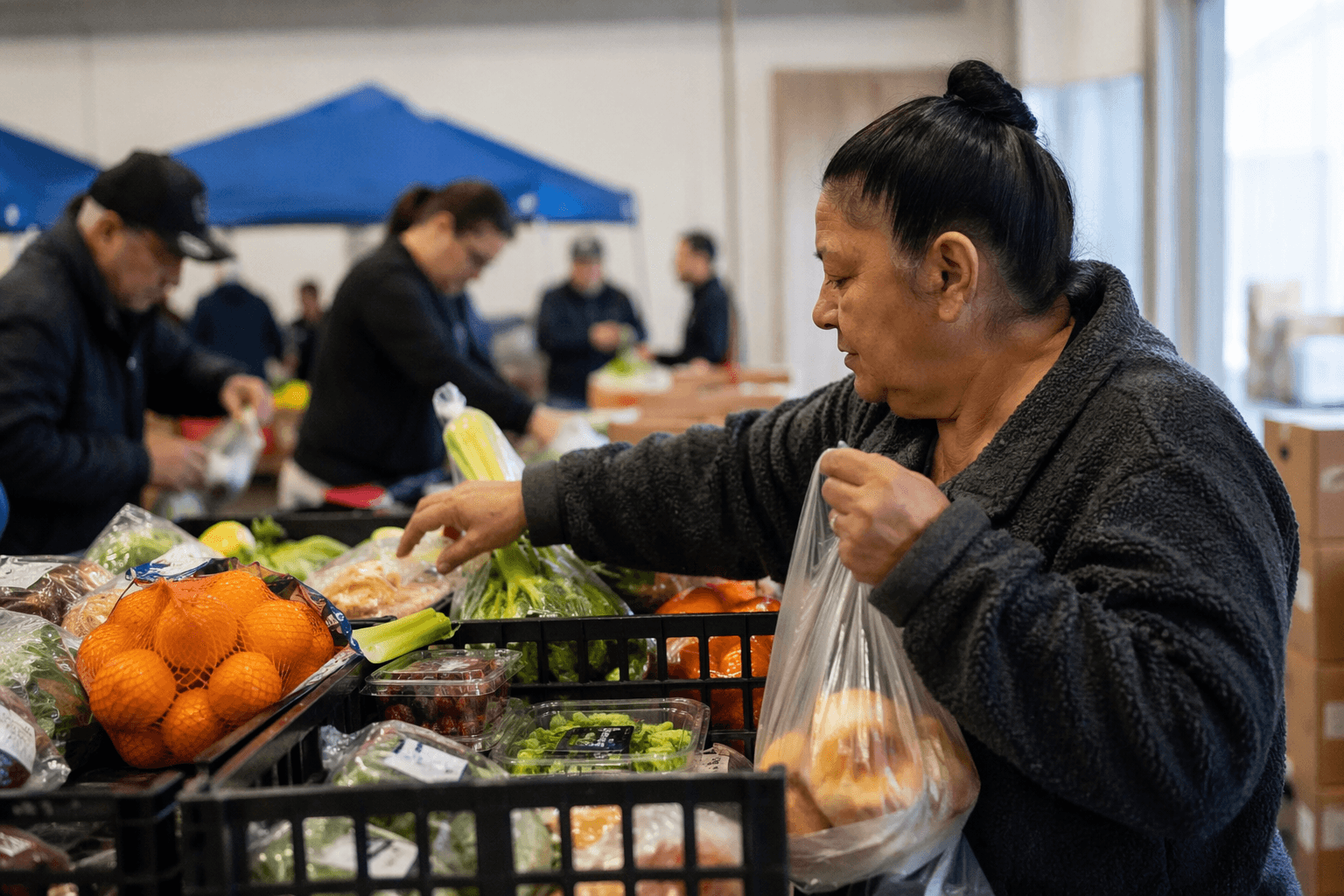
CalFresh stands to lose half of its federal funding contribution, with one estimate putting the loss at about $7.5 million. The program will not be affected in the next year, but could cost an additional $6.5 million starting in October 2026, when the federal share falls from 50% to 25%.
Public Health Director Joe Prado said California stopped funding indigent care after the Affordable Care Act shifted residents into other coverage options, but that arrangement no longer holds if people lose Medi-Cal. County staff estimate between 11,000 and 30,000 people could turn to the county for indigent care once those changes take effect, forcing a county-funded obligation under state law. Most departments have already taken a 5% cut, and without more money, supervisors could be forced into choices that put critical services at risk.
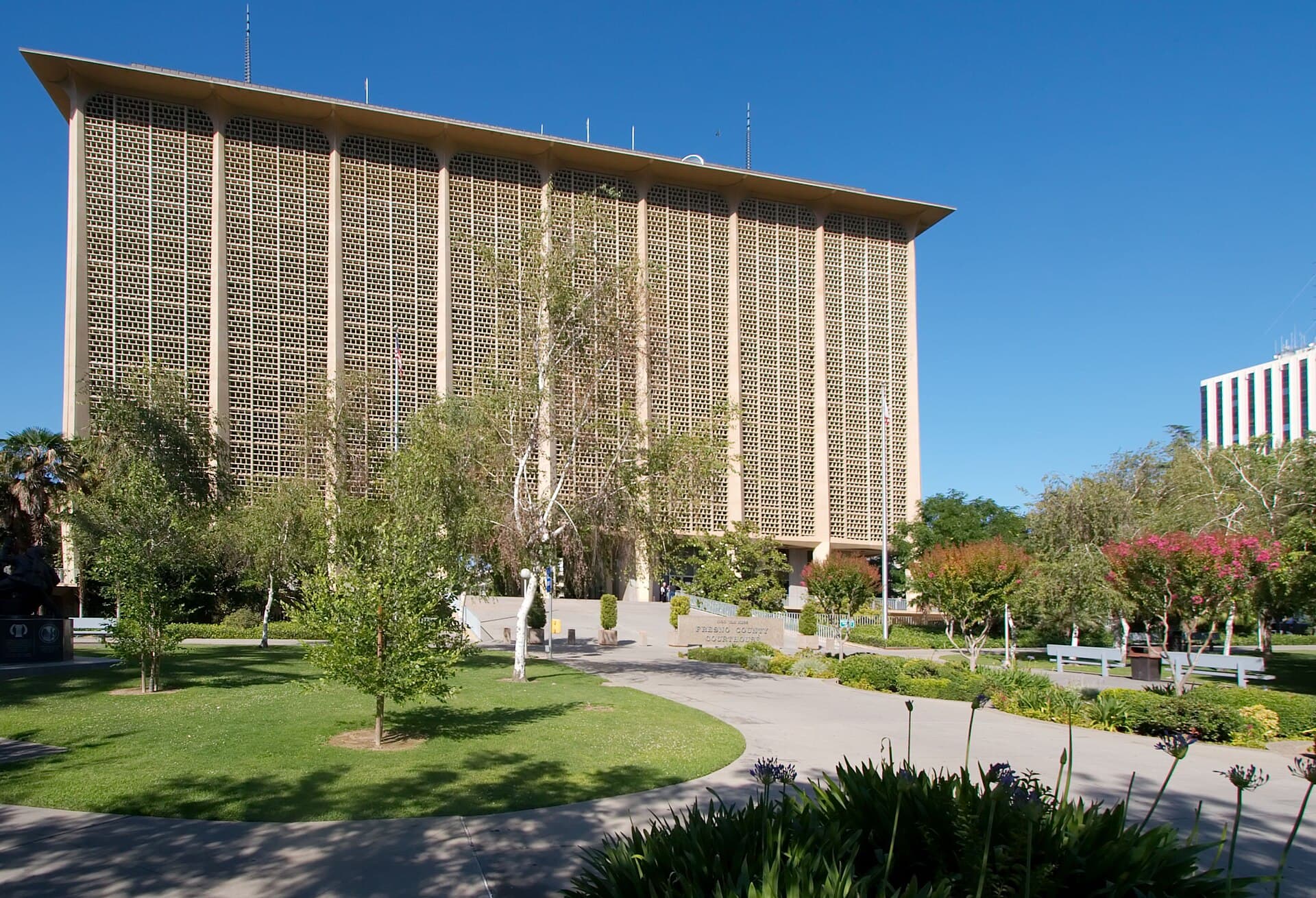
Supervisor Luis Chavez has pushed for clearer public messaging about how many residents could lose SNAP or medical coverage. The California State Association of Counties has asked the state for $1.9 billion this year, Fresno County leaders want $4.5 billion next year, and the state faces a deficit of at least $3 billion.
The Central California Food Bank, which serves Fresno, Madera, Kings, Kern and Tulare counties, is already serving about 320,000 people and expects SNAP changes to affect up to 150,000 people locally. The new work requirement of 80 hours per month for many adults receiving food assistance is expected to push more residents toward food banks and county-backed safety-net programs.
This article was produced by Prism’s automated news system from verified source data, official records, and press releases, then run through automated quality and moderation checks before publishing. The system is built and supervised by the people who set the standards it runs under. Read our full AI policy.
Did this article answer your question?


