Fresno County District 5 race centers on disputed Southeast Development Area
Fresno County District 5 voters are choosing in the shadow of SEDA, a plan for nearly 9,000 acres that could mean 45,000 homes, 37,000 jobs and a $4.3 billion infrastructure bill.
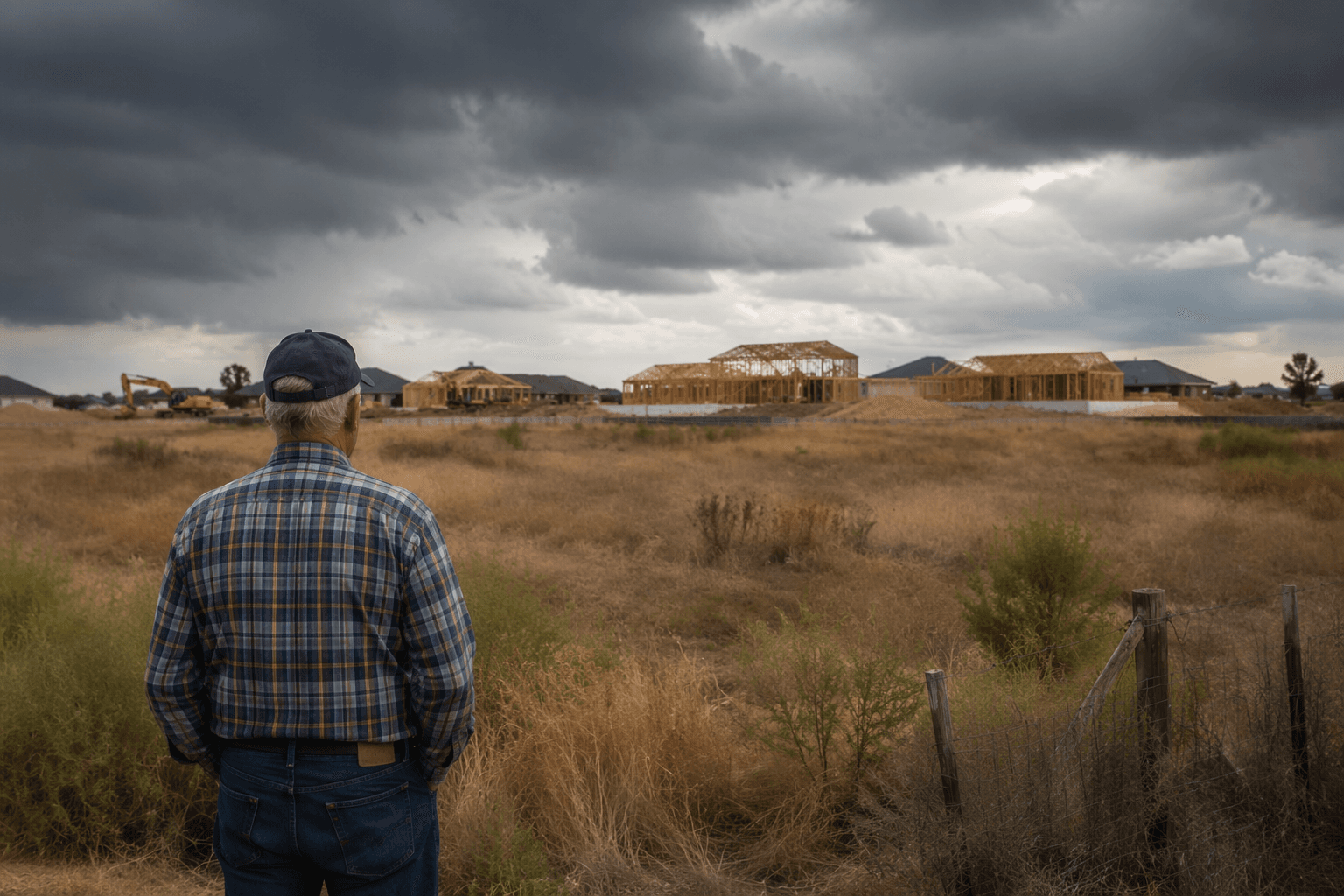
The District 5 race is quickly becoming a referendum on the Southeast Development Area, the sprawling southeast Fresno proposal that could redraw where the county grows, who pays for it and which neighborhoods absorb the cost.
On one side are supporters who say Fresno needs more housing, jobs and a stronger tax base. On the other are critics warning that SEDA would consume prime agricultural land, push traffic farther onto already strained roads and leave schools, water systems and other public services scrambling to keep up.
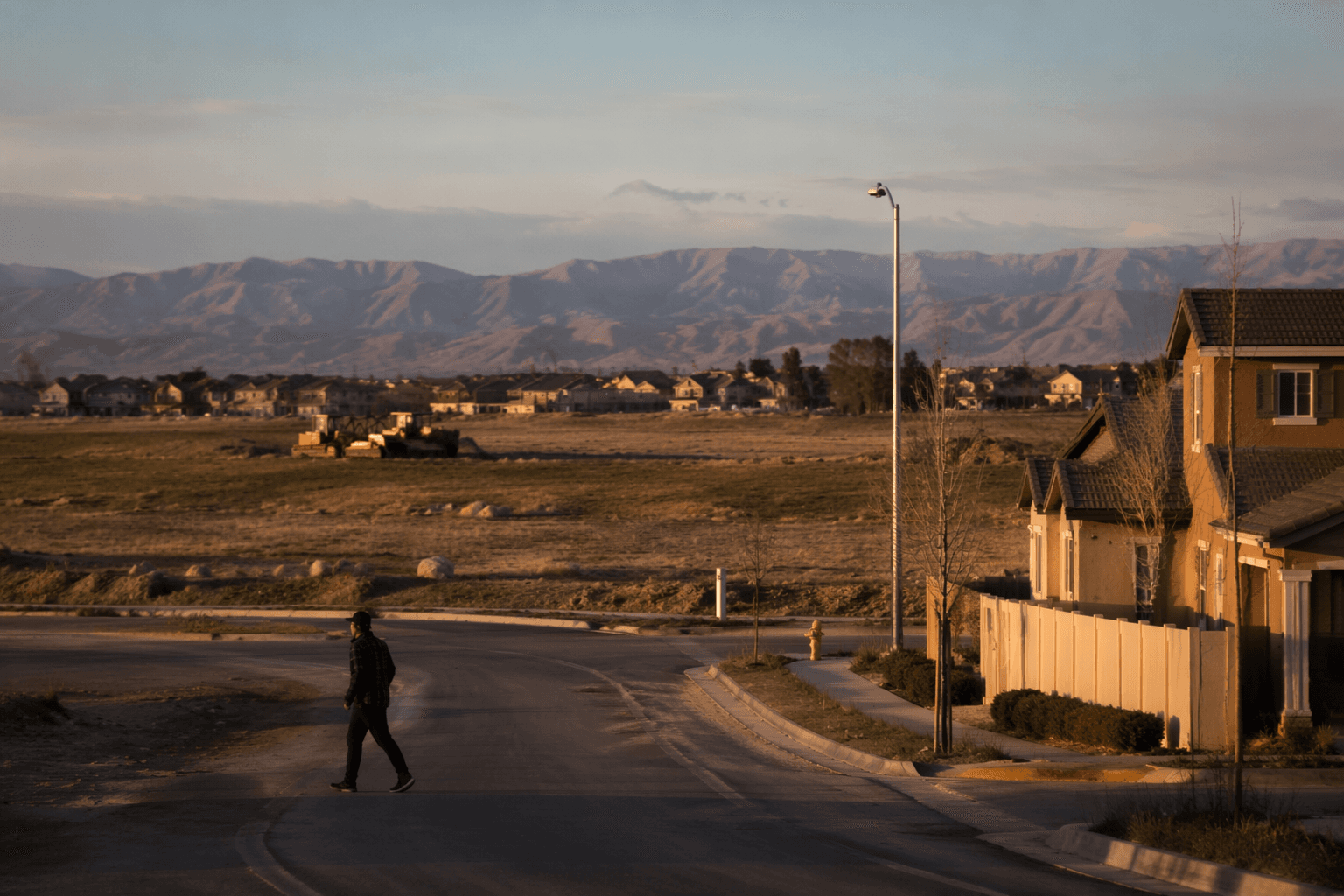
The plan at the center of the fight would cover nearly 9,000 acres now used largely for agriculture and rural residential development. Under the city’s recirculated environmental review, it could accommodate about 45,000 homes and 37,000 jobs by 2050. That scale makes SEDA far more than a routine planning item. It is a decision about whether southeast Fresno County becomes the next big growth frontier or stays closer to the slower pace its current land uses suggest.
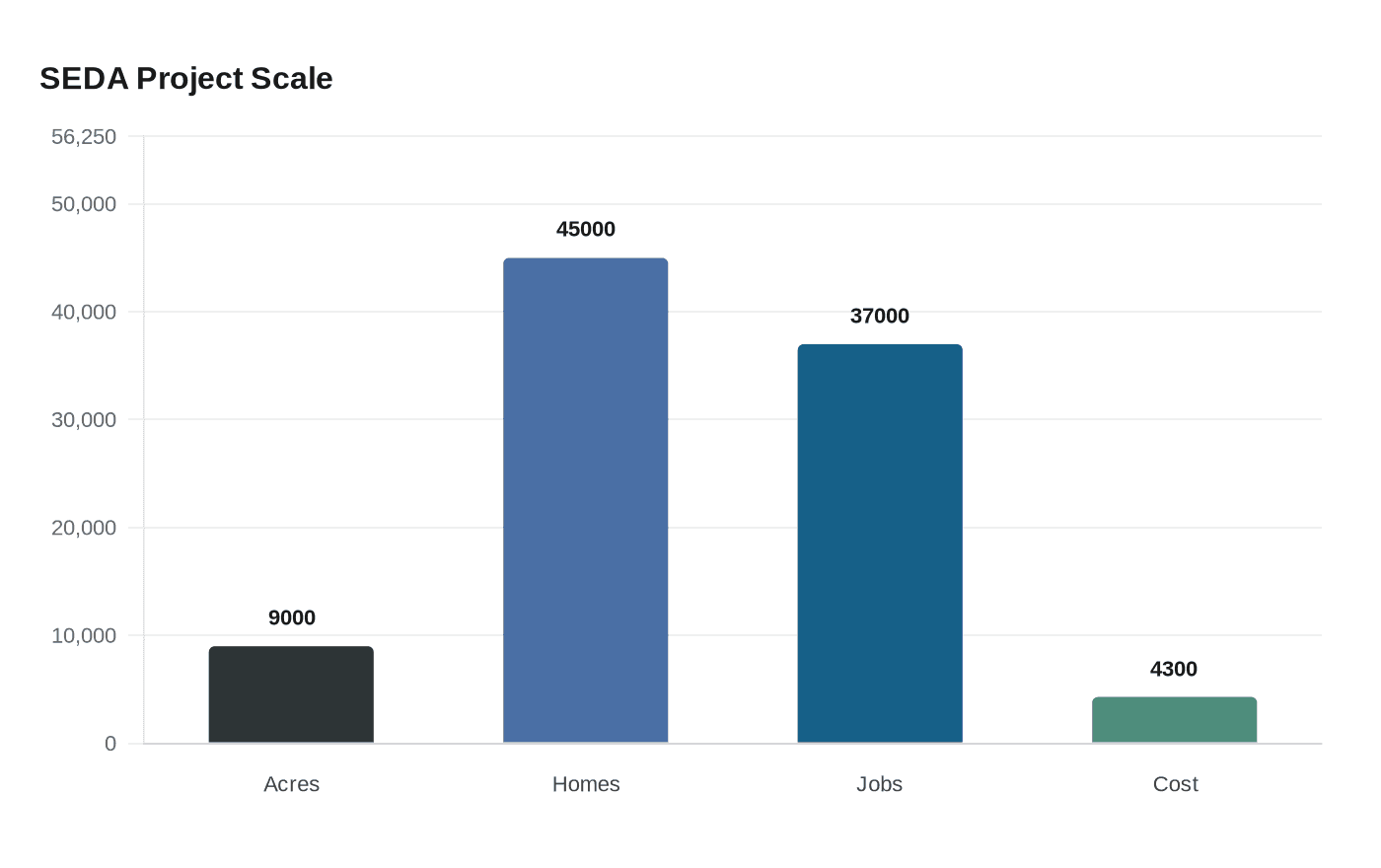
The money question is just as sharp. City financing materials say the project is meant to provide a framework for backbone infrastructure and public facilities, while a public-review draft financing report warns the buildout will require major funding mechanisms. Reporting on the city’s planning process has placed the infrastructure price tag at about $4.3 billion, raising the central question opponents keep pressing: who benefits if the homes are built, and who is left paying if the infrastructure does not keep pace?
Schools have emerged as one of the clearest political fault lines. Fresno Unified trustees voted 4-0-3 on May 14 to formally oppose SEDA after lengthy public comment, reflecting district fears that more housing outside its boundaries could accelerate enrollment decline and force school closures. For families already weighing where to live, that means the development debate is also a question about classroom counts, school boundaries and whether future growth will strengthen Fresno Unified or hollow it out.
The fight is not new. City planning history materials show Fresno’s 1958 and 1964 general plans already anticipated eastward growth, and the Southeast Growth Area planning work began in 2002 before being tabled after the 2010 recession. A recent tax-sharing agreement with Fresno County also gives SEDA a tax apportionment ratio of 50 percent, compared with 40 percent for the rest of the city’s Sphere of Influence, a detail that puts political control over future revenue and development decisions squarely on the table.
That is why the race matters beyond campaign labels. Danielle Parra, who switched from a Fresno County supervisor run to the Fresno City Council District 5 contest, has joined incumbent Brandon Vang and other challengers in a campaign where SEDA looms over nearly every argument about growth, infrastructure and local control. Whoever wins will help shape how southeast Fresno County changes, and how much of that change its voters are willing to accept.
This article was produced by Prism’s automated news system from verified source data, official records, and press releases, then run through automated quality and moderation checks before publishing. The system is built and supervised by the people who set the standards it runs under. Read our full AI policy.
Did this article answer your question?


