Fresno County Limits Sex Offender Concentration in Transitional Homes
At its Jan. 6, 2026 meeting the Fresno County Board of Supervisors approved an ordinance designed to cap the number of registered sex offenders living in single-family homes used as transitional housing. The measure aims to address public safety and concentration concerns but operators warn a technical drafting issue could displace dozens of people into homelessness and strain already limited housing resources.
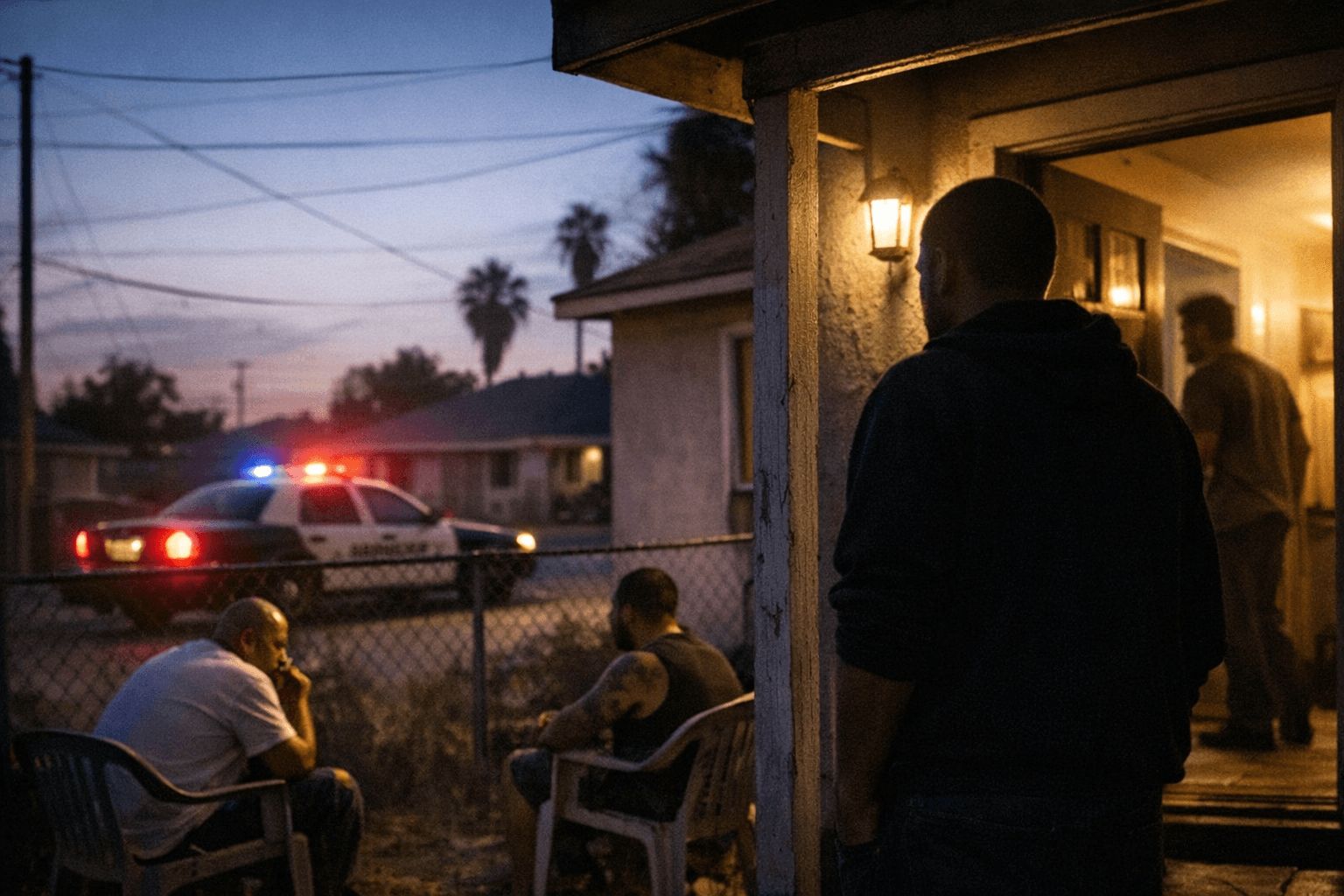
The Fresno County Board of Supervisors voted Jan. 6 to adopt an ordinance intended to limit the concentration of registered sex offenders in single-family transitional homes. Sponsored by Supervisors Garry Bredefeld and Brian Pacheco, the measure caps how many registered sex offenders may live at a single address and was framed by supervisors as a public safety step to prevent clustering of high-risk residents.
County counsel and the sheriff participated in the public discussion, citing calls-for-service logs to illustrate problems at particular addresses. Neighbors and some residents testified about nuisance and safety issues linked to specific transitional homes, arguing the ordinance will help restore neighborhood order and reduce repeated emergency responses.
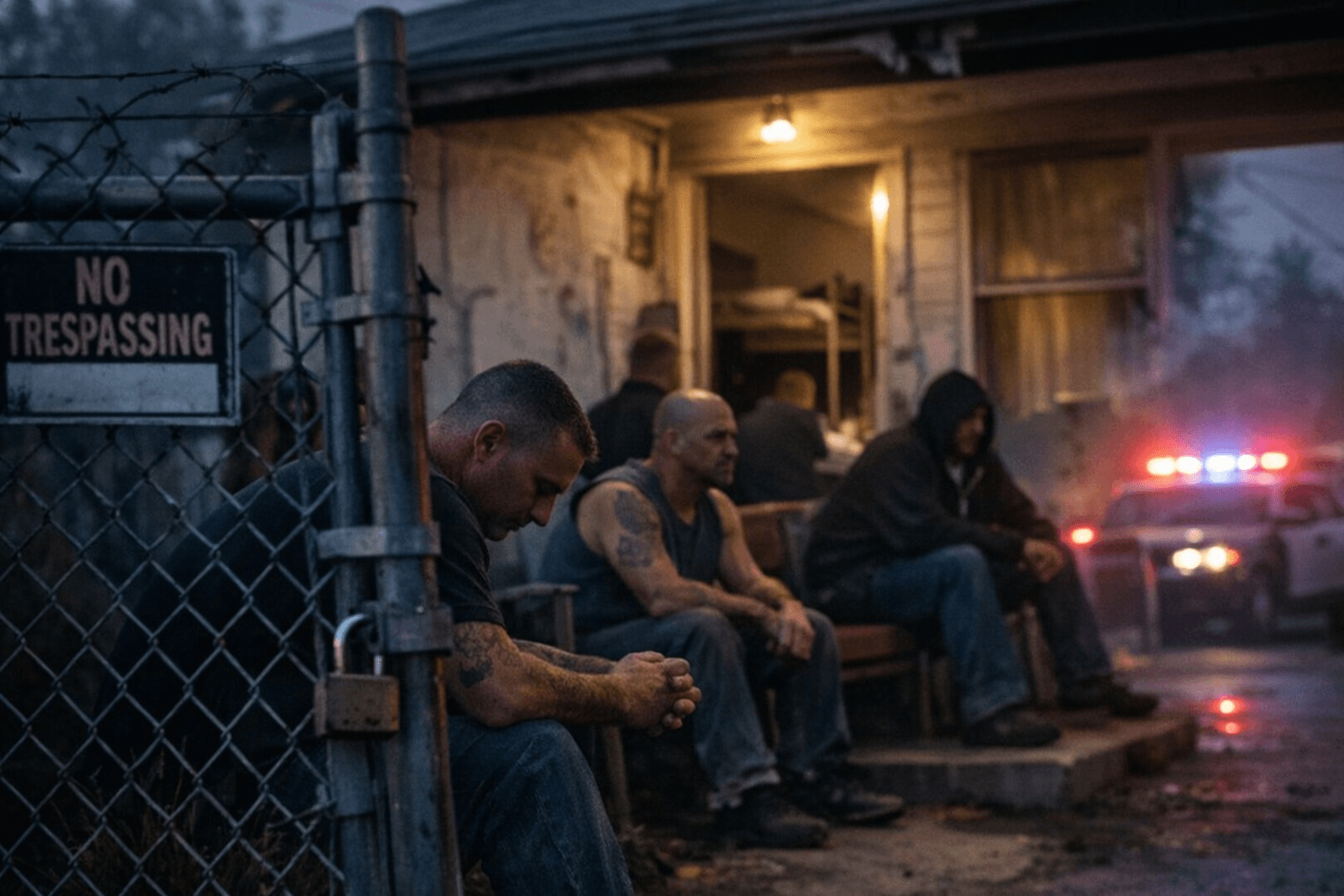
Operators and advocates for transitional housing, notably Centers for Living, pushed back, warning that a technical aspect of the ordinance counts all tenants together, parolees, people experiencing homelessness and others, so that the presence of even one registered sex offender may trigger a six-person limit for a home. Centers for Living leaders said their programs report low recidivism and that the combined-count provision could leave dozens of registered offenders without placements if homes exceed the new limit.
Managers and staff from transitional programs described daily monitoring systems, mandatory drug testing and curfews used to supervise residents. One manager who identified as a formerly incarcerated person participating in the program spoke during the meeting about program structure and the personal impacts of potential displacement. Operators argued that abrupt reductions in bed capacity or forced relocations would push people back into homelessness and complicate reentry plans that rely on stable housing and supervision.
The sheriff’s office pointed to law enforcement logs when advocating for measures to limit concentration, while supervisors emphasized balancing individual rehabilitation with community safety. The ordinance targets single-family residences used as transitional housing rather than licensed congregate facilities, reflecting concern over residential clustering in neighborhoods zoned for single-family use.
Local impact will be immediate for operators that run small, home-based programs and for residents awaiting placement. If enforcement reduces the number of allowable occupants at affected homes, county officials and service providers may need to identify alternative beds or emergency shelter options to avoid increases in street homelessness. The debate at the board meeting highlighted broader tensions between neighborhood quality-of-life concerns and the county’s responsibility to provide reentry support and reduce recidivism.
Implementation details and enforcement timelines were not finalized at the meeting. Supervisors said the ordinance is intended to move forward as a tool for public safety while county staff and providers weigh operational questions raised during testimony.
This article was produced by Prism’s automated news system from verified source data, official records, and press releases, then run through automated quality and moderation checks before publishing. The system is built and supervised by the people who set the standards it runs under. Read our full AI policy.
Did this article answer your question?


