Fresno County's top-paid employees earned big overtime, benefits in 2025
Overtime and benefits pushed Fresno County paychecks far past base salary, especially in the Sheriff’s Office and top management.
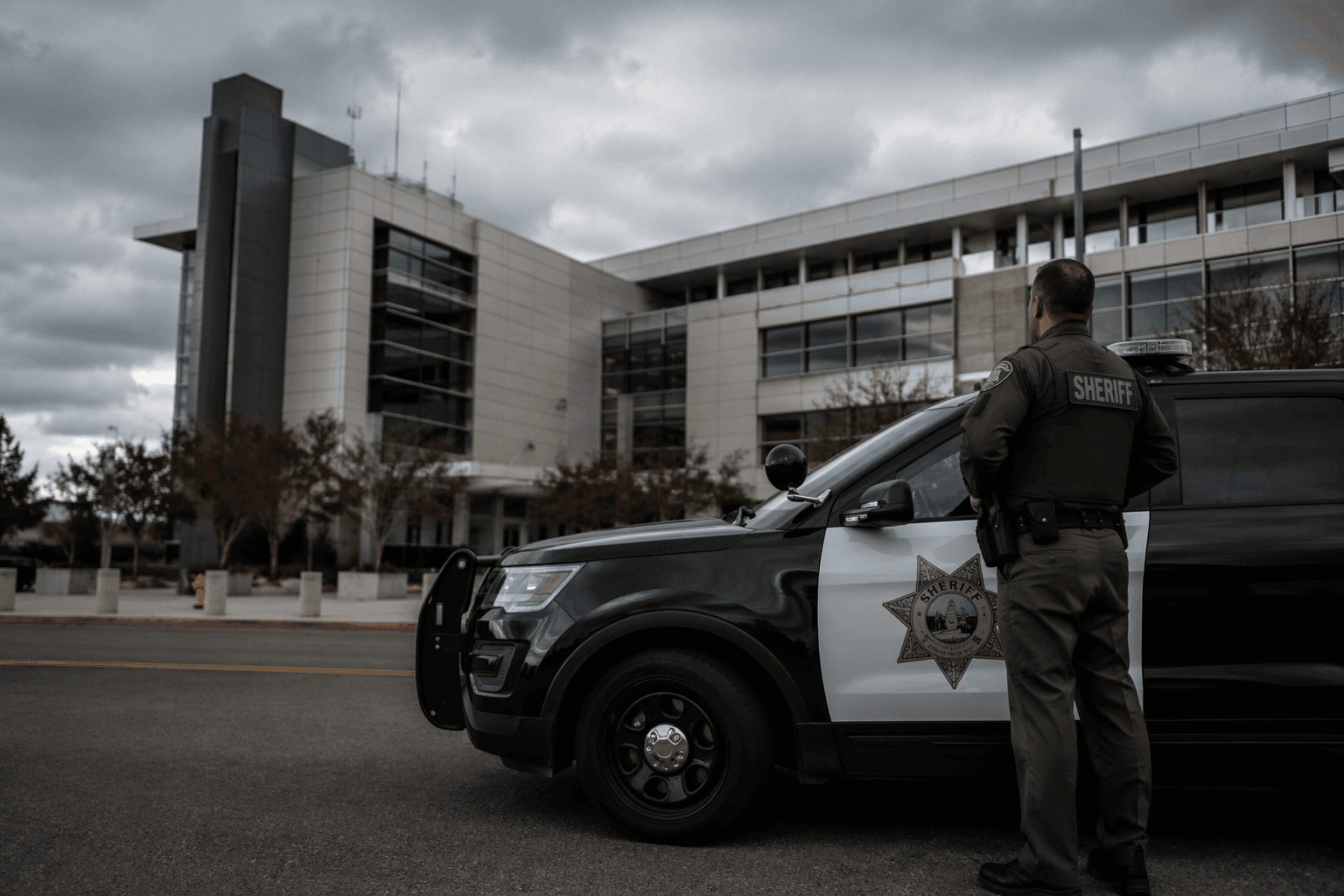
What is really driving Fresno County’s biggest paychecks
Fresno County’s highest-paid employees are not landing at the top because of base salary alone. Public records show that overtime and large benefits packages are doing a lot of the heavy lifting, especially in public safety and senior administrative roles where the county relies on constant coverage and specialized experience.

That matters because the numbers are bigger than any one paycheck. Fresno County is a massive operation with an approved fiscal year 2024-25 budget of more than $5.2 billion, more than 8,400 budgeted positions, and a population of about one million residents. When compensation climbs into the $400,000 range, the public question is no longer just who got paid. It is whether the county is buying enough staffing, coverage, and expertise to justify the cost.
Why the payroll story hits so hard in Fresno County
The county’s own pay rules help explain why the totals rise so quickly. Fresno County’s salary resolution and labor agreements allow eligible employees to earn overtime at one-and-one-half times their hourly rate, which can turn a busy year into an expensive one for taxpayers. The county also has active memoranda of understanding covering sheriff and probation personnel, sheriff’s sergeants, correctional sergeants, and several other bargaining units, so the compensation picture is shaped as much by negotiated labor rules as by individual performance.
That is why a pay list can look so different from a simple salary table. Base salary tells only part of the story. Once overtime, specialty assignments, and benefits are folded in, an employee who appears to be in the middle of the pack can suddenly become one of the county’s costliest workers. In a county this large, that pattern is not an anomaly. It is part of the way the payroll system functions.
The clearest examples show the gap between salary and total cost
The strongest illustration comes from Fresno County’s 2024 compensation records. County Administrative Officer Paul Nerland recorded $315,048 in total pay, but his total pay plus benefits reached $496,790.30. Undersheriff Stephen McComas had $236,875.30 in total pay and $421,709.35 once benefits were included. Those figures show how quickly the final cost to taxpayers can rise well beyond the salary line that most people first notice.
The same records show how overtime can push sworn law-enforcement employees toward the top of the compensation list. Sheriff’s Sergeant Freddie A. Henson logged $120,797.28 in overtime and ended with $409,067.09 in total pay plus benefits. Sheriff’s Sergeant Robert Perez received $138,913.64 in overtime and reached $395,109.48 in total pay plus benefits. Those are not ordinary wage boosts. They are signs of a system under sustained demand, where staffing gaps, mandatory coverage, and specialized assignments can make overtime one of the most expensive tools in the county’s budget.
Sheriff, probation, and other public-safety units sit at the center of the debate
That concentration in public safety is no surprise. Sheriff’s operations, detention facilities, and probation work are among the county functions least able to shut down when shifts are short or call volume spikes. If a jail must be staffed or a field unit must cover a leave, overtime becomes the fastest solution, even if it is not the cheapest one over the course of a year.
For residents, that creates a difficult but important accountability question. High overtime can mean the county is paying a premium to keep services running. It can also mean the county is leaning too heavily on the same employees instead of filling vacancies, reducing fatigue, and stabilizing the workforce. The public deserves to know which of those explanations best fits the paycheck totals it is seeing.
The scale of county government helps explain the scale of the checks
Fresno County’s annual report describes the county as serving one million diverse residents across 20 departments, which makes the payroll story bigger than the Sheriff’s Office alone. A county that large has to fund road work, health services, administrative offices, social services, and public safety at the same time. That broad service mix creates pressure points, and those pressure points often show up first in overtime and premium compensation.
The county’s public information office says it exists to manage communication between the county and the public and to provide accurate information. That role becomes especially important when residents see large pay totals and want to know whether they reflect exceptional responsibility, hard-to-fill shifts, or a staffing model that has grown too dependent on expensive overtime. Transparency does not solve those problems by itself, but it gives the public a clearer basis for judging them.
What the numbers say about value for money
The central issue is not whether county employees should be paid well. It is whether the county is getting strong service for the amount it spends. A County Administrative Officer at nearly half a million dollars in total compensation, or a sheriff’s sergeant topping $400,000 after benefits and overtime, can be defensible if the job requires uncommon expertise, heavy responsibility, or relentless coverage. It is harder to defend if the pay spike is really the result of a chronic staffing shortage that the county has not fixed.
That is why Fresno County’s payroll numbers should be read alongside budget decisions, hiring trends, and bargaining agreements, not in isolation. The county’s biggest checks may reflect the real cost of keeping a large, complex government running. They may also signal that the county is paying more than it should to patch staffing gaps one overtime shift at a time.
Fresno readers have seen this debate before. A recent Fresno city payroll roundup showed the city’s top 50 employees averaged $296,445 in 2024, with firefighters boosted by overtime, pensions, and other pay. In other words, this is not a one-off county problem. It is part of a broader local conversation about how much public service really costs when staffing, benefits, and overtime all collide.
For Fresno County, the next budget fight will not just be about how much to spend. It will be about whether those dollars are building a stable workforce or buying short-term coverage at a steadily rising price.
This article was produced by Prism’s automated news system from verified source data, official records, and press releases, then run through automated quality and moderation checks before publishing. The system is built and supervised by the people who set the standards it runs under. Read our full AI policy.
Did this article answer your question?


