Fresno DA Smittcamp Pushes for Guardrails on Mental Health Diversion Laws
A man convicted of a near-deadly stabbing at Lithia Ford had previously received mental health diversion, prompting DA Lisa Smittcamp to push for tighter limits.
Fresno County District Attorney Lisa Smittcamp is pushing state lawmakers to tighten California's mental health diversion laws, arguing that judges currently lack the authority to screen out defendants who exploit a system designed for people genuinely committed to treatment.
Mental health diversion allows defendants to avoid jail time by completing a program; if they finish it, their case can be dismissed. The framework is meant to prioritize treatment over punishment, but Smittcamp says the law as written leaves courts powerless to say no.
"It needs to be restricted so that it empowers judges to make more stringent decisions," Smittcamp told Action News.
Her concern is grounded in a specific problem: diagnoses that are easy to obtain but do little to reflect a genuine commitment to mental health care. "Depression and anxiety are things that are very easily diagnosed," Smittcamp said. "And then the court doesn't have any authority under the currently written law to say, 'I'm sorry, you're not eligible or suitable.'"
The California District Attorneys Association made the same case in a recent letter to lawmakers, pointing to a Fresno case as a stark example of the consequences. The man convicted of a near-deadly random stabbing attack at Lithia Ford had previously received diversion, the association noted, arguing the program is often misused.
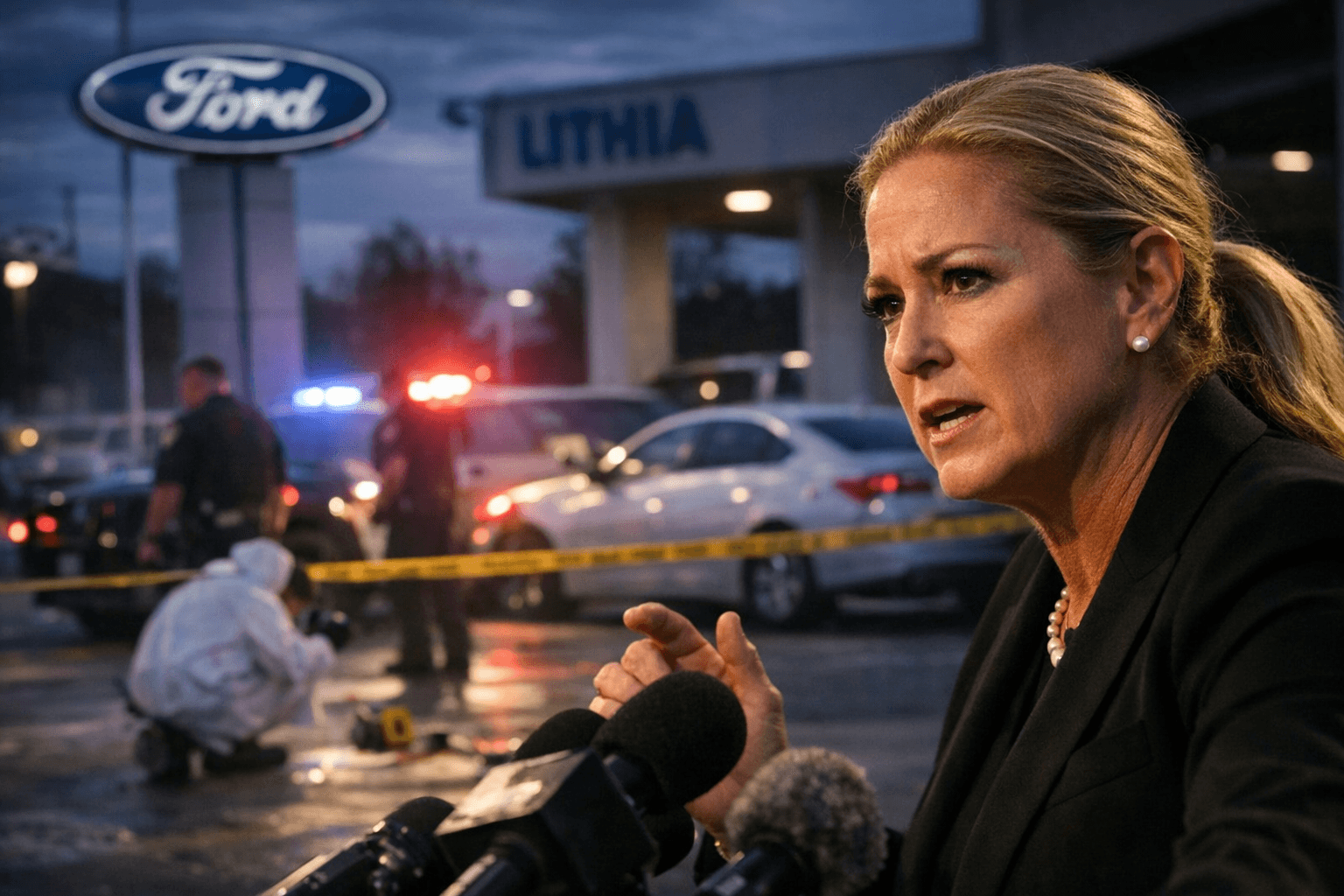
Smittcamp has joined a growing coalition of prosecutors advocating for AB 46, a bill that has navigated the state legislature for more than a year and survived amendments in both the Senate and the Assembly. Its central requirement: a defendant's mental health diagnosis must have occurred within five years before the alleged crime. The provision, Smittcamp argues, ensures diversion serves its intended purpose. "It means you legitimately have somebody with a mental health diagnosis, who is attempting to get better, who is being proactive in their own mental health progress," she said.
AB 46 is now set for a critical committee hearing next Tuesday.
When asked whether defense attorneys might view her stance as too harsh, Smittcamp pushed back on the premise. "I don't know that there would be defense attorneys that would think that this was a bad thing because when the law is poorly written, it is poorly written for everyone," she said.
No defense attorneys or mental health advocates have yet weighed in publicly on her proposals.
This article was produced by Prism’s automated news system from verified source data, official records, and press releases, then run through automated quality and moderation checks before publishing. The system is built and supervised by the people who set the standards it runs under. Read our full AI policy.
Did this article answer your question?


