Fresno Irrigation District completes Carter Bybee Basin groundwater project
A 35-acre basin near Biola will send about 840 acre-feet a year back into Fresno County’s aquifer, a small-looking project with big stakes for wells and irrigation.

Fresno Irrigation District has finished the 35-acre Carter Bybee Basin, a groundwater recharge project near Biola that is expected to add about 840 acre-feet of water to the aquifer each year. In Fresno County, where groundwater still underpins farm irrigation, drinking water resilience and the survival of some domestic wells, that is the kind of infrastructure that can quietly shape the next dry season.
The basin sits inside the North Kings Groundwater Sustainability Agency service area, where managers are trying to keep groundwater levels sustainable even in dry years under California’s Sustainable Groundwater Management Act. District officials said the project was funded with California Department of Water Resources SGMA Implementation Funds, U.S. Bureau of Reclamation Drought Resiliency Project Funds and Fresno Irrigation District funds. A ribbon-cutting was set for June 18 at 9 a.m. near the corner of Jameson and Barstow avenues near Biola.
The Carter Bybee Basin is part of a much larger recharge push. Fresno Irrigation District says it has expanded its groundwater recharge program by developing 270 acres of recharge and regulation basins since 2020, and 395 acres over the last 20 years across 11 sites. With Carter Bybee included, the district says it now has 980 total basin acres. It also says it plans to add another 420 acres of recharge basins to capture up to 30,000 additional acre-feet of floodwater in 16 projects.
The North Kings Groundwater Sustainability Agency says its current project list includes 52 projects, with 12 completed and 11 in progress. The combined estimated annual benefit of those projects is nearly 284,000 acre-feet. That scale matters in a county where groundwater is not an abstract policy target but a working supply system for farms, cities and unincorporated neighborhoods that feel the effects when aquifer levels drop.
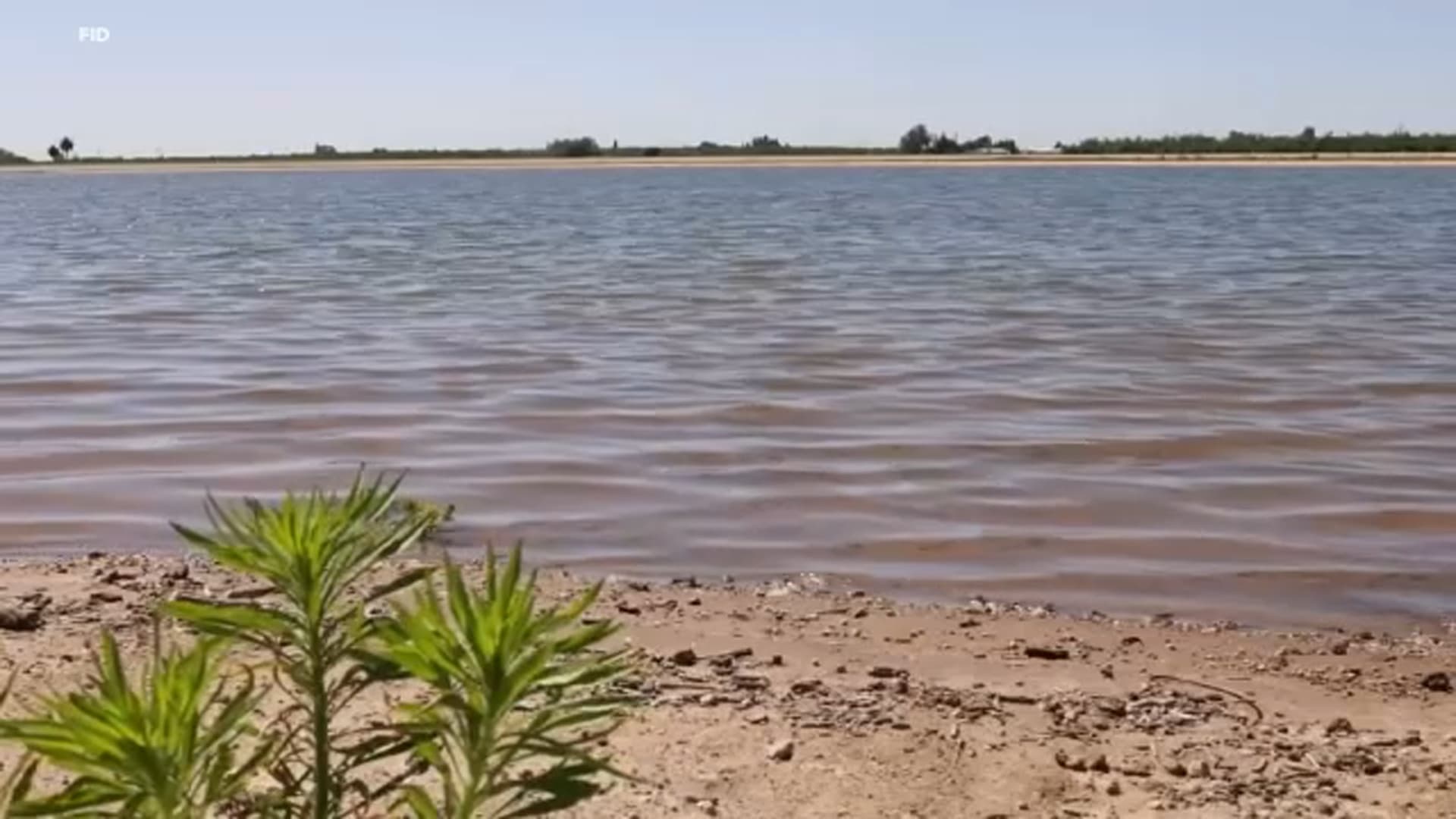
The basin’s name also ties the project to the land itself. The Bybee family previously owned the property, and the district has treated the site as part of a long buildout rather than a one-off improvement. Fresno Irrigation District says it was formed after a 1919 petition signed by 788 landowners, then approved by voters on June 15, 1920 with more than 88% support.
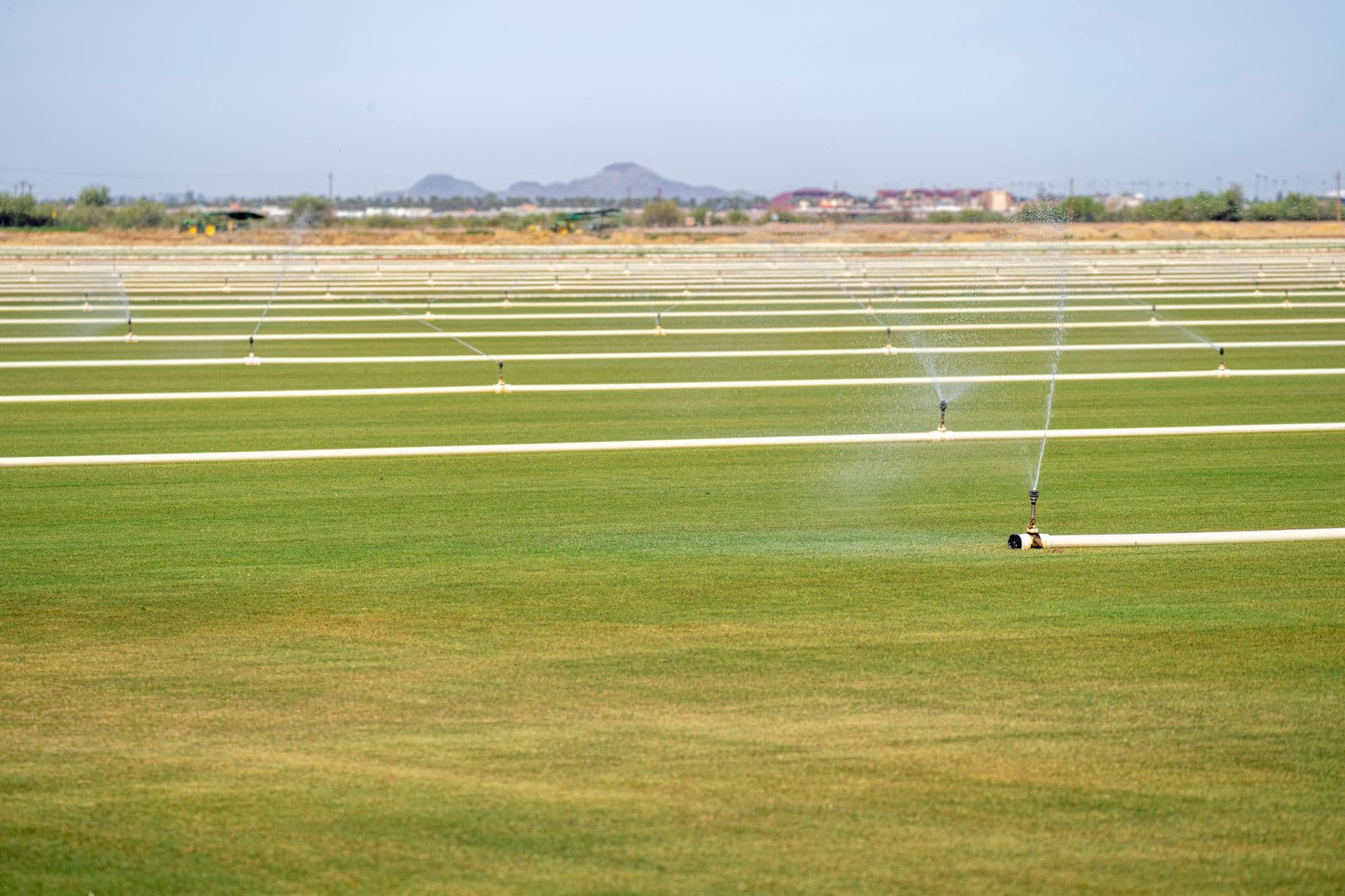
That history helps explain why local water officials keep returning to the same basic task: hold more water in the basin, move less of it downstream unused and keep the aquifer from falling farther behind in dry years. In Fresno County, the Carter Bybee Basin is one more piece of that slow, consequential work.
This article was produced by Prism’s automated news system from verified source data, official records, and press releases, then run through automated quality and moderation checks before publishing. The system is built and supervised by the people who set the standards it runs under. Read our full AI policy.
Did this article answer your question?


