Fresno Pacific University takes students into Sierra Nevada for field learning
Fresno Pacific is sending students into the Sierra for credit, with gear, scholarships and no experience required.
A classroom with trail dust instead of whiteboards
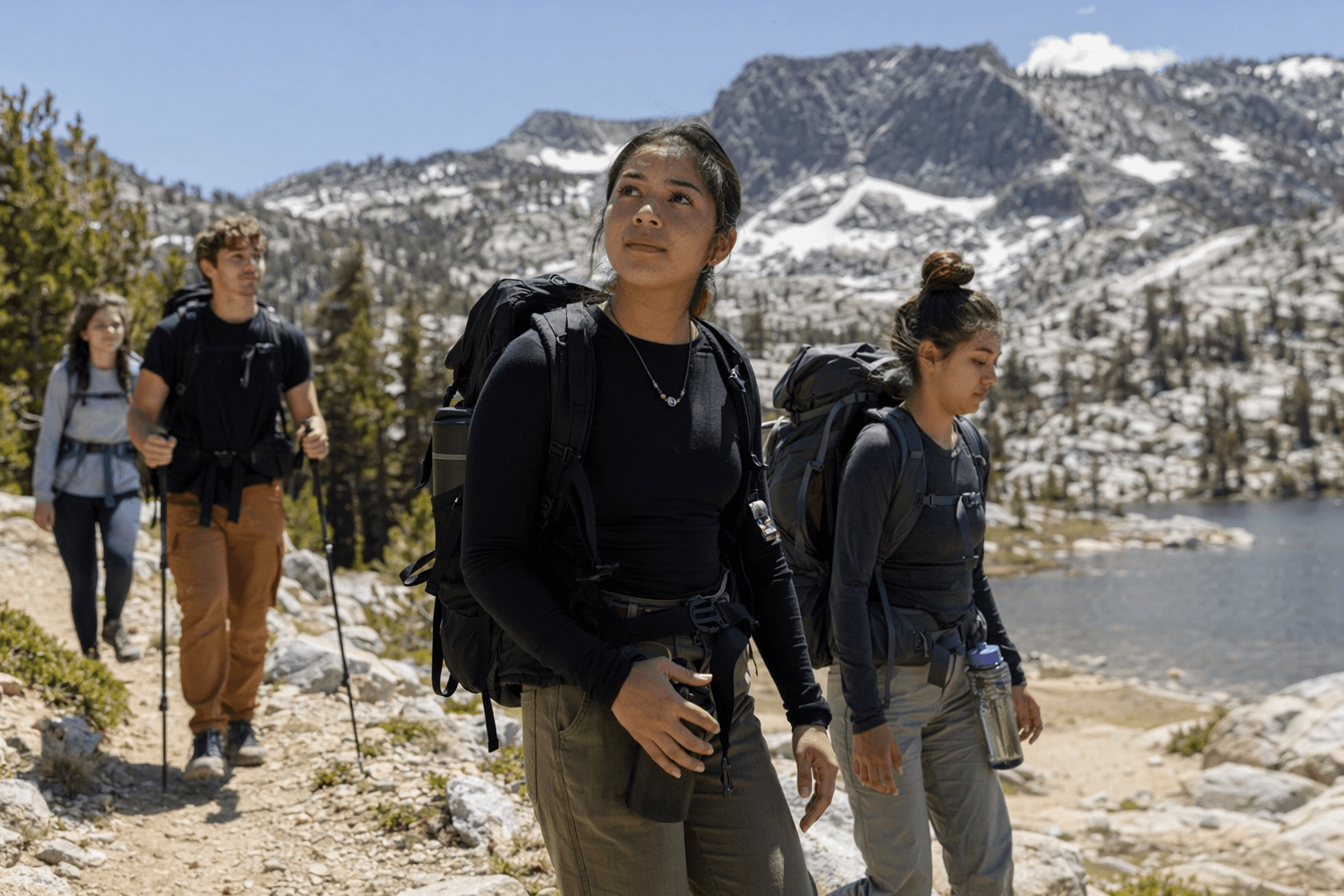
Fresno Pacific University is turning the Sierra Nevada into a summer classroom, and the pitch is more practical than picturesque. The university’s Summer in the Sierras program gives students a two-week immersive learning experience that blends academic coursework with fieldwork, including a 3-day backpacking trek, a later 6-day trek, and five days of guided instruction and day trips from a basecamp in Yosemite National Park.
That mix matters because the program is not being sold as a camping trip with a syllabus. It is designed as credit-bearing study that asks students to apply what they learn while they are hiking, observing and discussing ideas in the mountains, foothills and river country that shape Central California’s geography and economy.
What students actually do in the field
Fresno Pacific describes Summer in the Sierras as an interdisciplinary learning experience in the neighboring Sierra Nevada Mountains. Students may begin with classroom or online study, then extend that work through day trips in the Central Valley, along rivers and into the foothills before moving into the mountains for the full field component.
The structure is built around immersion. According to the university’s program materials, learning communities take part in a 3-day backpacking trek and later a 6-day backpacking trek, with five days of guided instruction and day trips from Yosemite as the anchor in between. That sequence is meant to connect reading, discussion and reflection to terrain that students can physically see and navigate.
For local families weighing the value of summer tuition, the point is clear: this is not simply “outdoor education” for its own sake. It is a college course that uses the outdoors as the laboratory.
Why Fresno Pacific says the approach works
Ray Winter, who is listed by Fresno Pacific as assistant professor in Wilderness Studies and program coordinator, describes the model as experiential learning. In plain terms, students are not only reading about concepts, they are applying them in the field.
Winter also says the broader goal reaches beyond hiking and survival skills. The program is intended to challenge students to think about identity, purpose, faith, calling and community while they are away from the traditional classroom. That framing reflects the university’s larger wilderness studies philosophy, which ties academic study to personal formation rather than treating nature as a backdrop.
Fresno Pacific says the wilderness studies program has run a summer school session every summer since 2018, which means this is now a recurring piece of the university’s academic calendar, not a one-off pilot or seasonal novelty.
What students can study, and how the minor is built
The Wilderness Studies Minor is built around an unusually broad academic mix. Fresno Pacific says it unites interdisciplinary study, experiential learning and Christian faith in the holistic exploration of creation, with coursework spanning humanities, philosophy, ethics, ecology, theology and environmental public policy.
Students can take courses such as WILD 100, listed in the university catalog as Introduction to Wilderness Studies. The minor also gives students room to focus on philosophy, ecology, theology, literature, ethics or environmental public policy alongside outdoor education and wilderness experience.
That blend gives the program a different profile from a standard summer class in a lecture hall. A student interested in environmental policy, faith-based service, conservation, or simply learning how ideas about land and stewardship play out in real places can see those themes tested in the field rather than only discussed on campus.
Who can join, and why that matters in Fresno County
The program is not limited to Fresno Pacific students. Participants from Fresno City College and Clovis Community College are also planning to take part, widening the reach beyond one private university and making the Sierra program feel more like a regional educational resource.
That matters in Fresno County, where many students move between institutions, commute, work part-time or transfer credits between campuses. A field-based summer class that welcomes students from multiple colleges can give local learners access to a specialized experience without locking it behind a single campus identity.
The fact that no prior outdoor experience is required makes the program even more accessible. Fresno Pacific says all necessary supplies and gear are provided, which lowers a major barrier for students who might be interested in wilderness learning but do not own technical equipment or have backcountry experience.
What it costs, and what families should know
Fresno Pacific’s Summer in the Sierras page lists the cost at $535 per unit for FPU summer classes, plus a $799 program fee. There is also a backpacking-only option priced at $1,250, and scholarships are available.
The current refund policy is another detail families will want to note: the page lists a 50% refund before May 3, 2026, with no refunds beginning May 4, 2026. That kind of deadline matters for a summer course that includes specialized logistics, field travel and equipment planning.
Fresno Pacific’s broader academic calendar also shows that summer is not an afterthought at the university. Its undergraduate summer semester is part of a three-semester calendar beginning with summer, and the summer term is 12 weeks long. The Sierra course fits into that larger structure, rather than standing apart from it.
Why this gives Fresno-area students an edge
The strongest case for Summer in the Sierras is not just that it takes students outdoors. It is that it may give them a kind of preparation that a traditional summer class cannot easily match. Students practice academic focus in a setting that demands attention, teamwork and adaptability, while also building confidence in an environment far removed from campus routines.
For Fresno-area students, that combination can be valuable in at least three ways:
- It adds a credit-bearing experience that stands out on a transcript.
- It gives students from multiple local colleges a shared regional experience.
- It builds field skills, reflection and discipline in a setting tied to the Sierra Nevada, Yosemite and the landscapes that shape the Valley.
Fresno Pacific is also extending the same wilderness-based identity to younger and newer students through INSPIRE programs for regional K-8 schools and a freshman wilderness experience called The Walk. Taken together, those offerings suggest the university is building a broader educational model around place-based learning, one that starts early, continues through college and treats the outdoors as a serious academic setting.
For families asking whether this is more than a novelty, the answer is in the structure: credit, curriculum, guided instruction, accessible entry and a program that has already become part of Fresno Pacific’s summer rhythm. In a region where students are often looking for practical ways to learn, save time and stand out, that is a combination with real staying power.
This article was produced by Prism’s automated news system from verified source data, official records, and press releases, then run through automated quality and moderation checks before publishing. The system is built and supervised by the people who set the standards it runs under. Read our full AI policy.
Did this article answer your question?