Fresno State ASI's Rejection of New York Times Subscription Sparks Campus Debate
Fresno State’s student government rejected a paid proposal for campus access to The New York Times, and student reporters say safety and communication remain flashpoints after an Oct. 9, 2023 bomb-threat update.
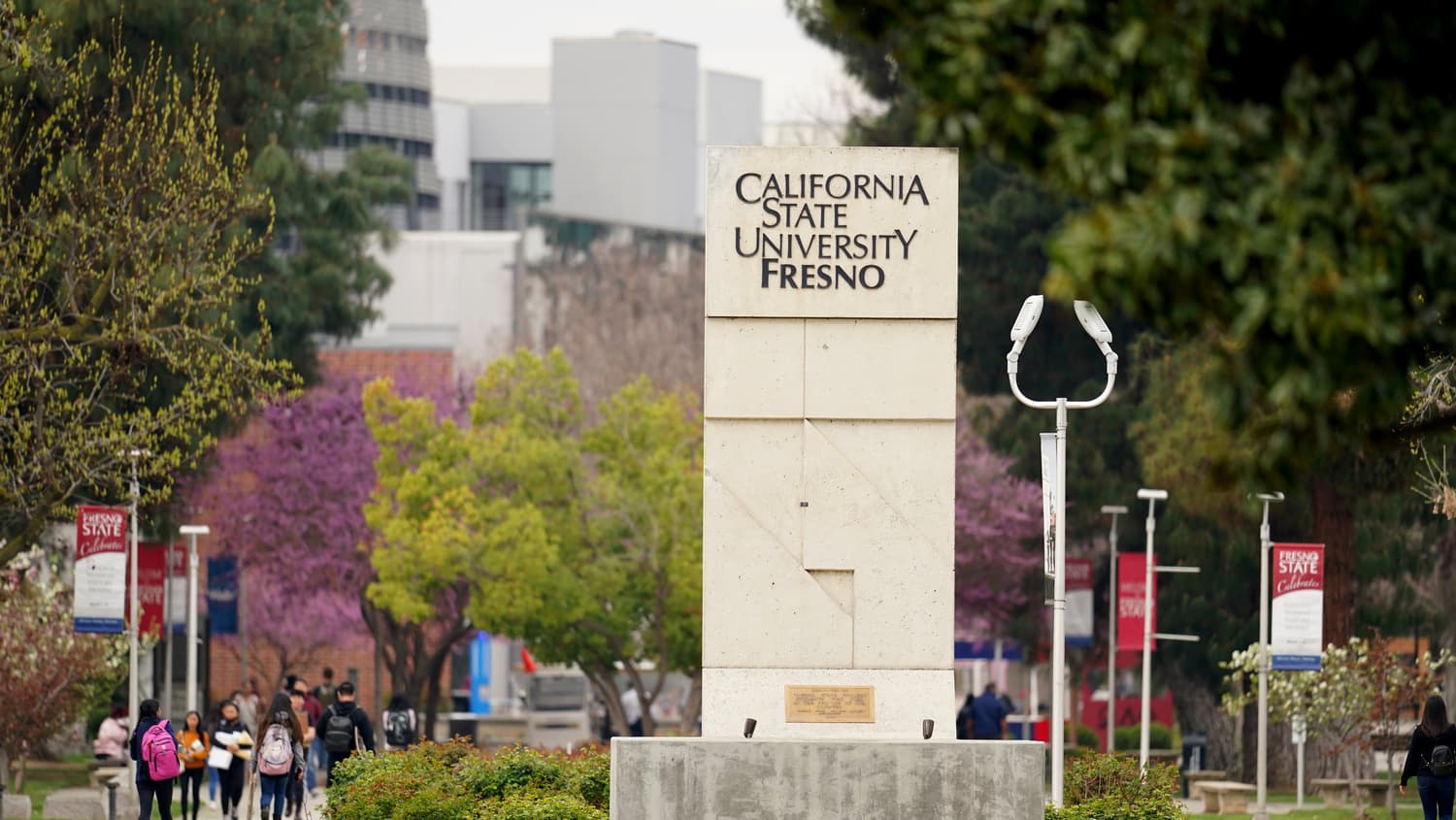
Fresno State Associated Students Inc. voted to reject a paid proposal to provide campus access to The New York Times, a move student senators tied to concerns about coverage that has drawn attention beyond Fresno. Inside Higher Ed summarized the decision on Feb. 25 and focused on reasons student senators gave - including concerns about how the Times framed certain internation.
The ASI decision prompted online discussion and national pickup of the story, though the available summaries do not include the ASI vote count, the proposed subscription cost, the exact language of the motion, or the names of the senators who led the effort. Those concrete details remain unreported in the materials supplied and are central to understanding the budgetary and governance implications for student government at Fresno State.
Separately, The Collegian reported an update on campus safety dated Oct. 9, 2023. The student newspaper, in a story by Jazmin Alvarado with photography credited to Carlos Rene Castro, said "A bomb threat was investigated at the student dorms around 12:18 p.m., with a partial evacuation of students from the dorms and the Dining Hall." The piece notes that "Twelve days later, the bomb threat that led to the evacuation of the campus dorms and Dining Hall is still causing reverberations."
The Collegian identified the Fresno State Police Department and the Fresno Police Department as investigators: "Both the Fresno State Police Department and the Fresno Police Department conducted investigations." The university response was summarized in comments attributed to "Nickerson": "The campus responded in a timely manner by evacuating the residence halls, Home Management (child care), the Dining Hall and the University House," Nickerson said. The article also records Nickerson saying, "Campus safety is our highest priority, and our Fresno State Police Department, with the assistance of other law encirclement agencies, is continuing to investigate who was responsible."
Students told The Collegian they felt confused and underinformed. Second-year student Justyce Dixon said, "At first I called my mom panicking thinking we were about to get shot up... I didn’t learn it was a bomb threat until I had got home and I got a Canvas notification about it. I really think our school should have been more specific on what it was and told everyone to evacuate campus, not just the dorms." The article records junior Savannah Ayala as saying keeping the threat anonymous "was not the right thing to do" and that "if students knew what it was they could have been better prepared." The Collegian also notes the university updated students through Bulldog Alert during the live investigation and that "The social media aspect of the situation continues to be investigated."
Both episodes highlight competing governance questions for Fresno State: how ASI balances fiscal responsibility, student representation, and standards for campus subscriptions, and how university leadership and campus police communicate during safety incidents. Key factual gaps remain unsettled in public reporting: the ASI vote tally and subscription terms for the New York Times proposal, the full rationale behind the senators' comments, the full name and title of "Nickerson," clarification of the "encirclement" phrasing, the precise timeline tied to the Oct. 9 update, and whether any arrests or charges resulted from the bomb threat investigation. Absent those details, debate over news access and emergency communication is likely to persist across campus.
This article was produced by Prism’s automated news system from verified source data, official records, and press releases, then run through automated quality and moderation checks before publishing. The system is built and supervised by the people who set the standards it runs under. Read our full AI policy.
Did this article answer your question?