Fresno weighs red light cameras to curb deadly crashes
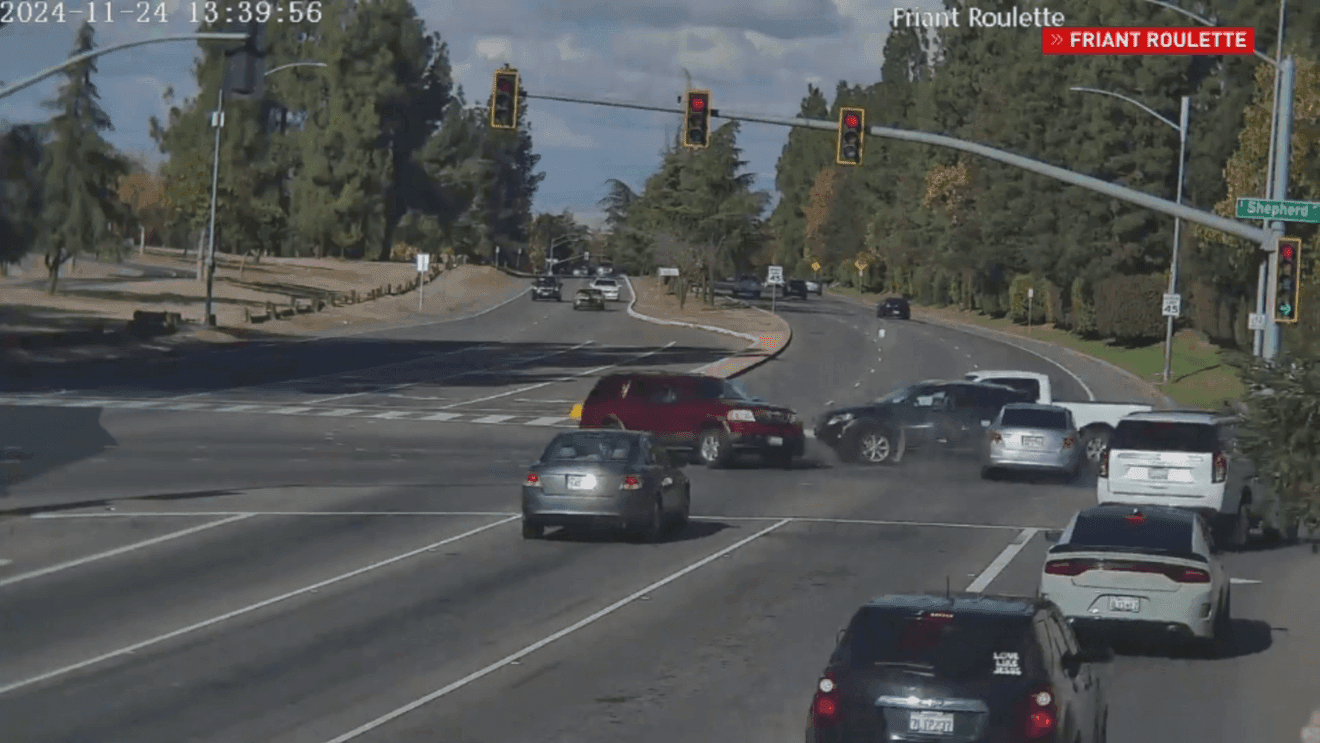
Fresno recorded 846 fatal or severe-injury crashes in five years, and Friant Road at Shepherd Avenue keeps drawing attention with 21 crashes from 2020 to 2024.
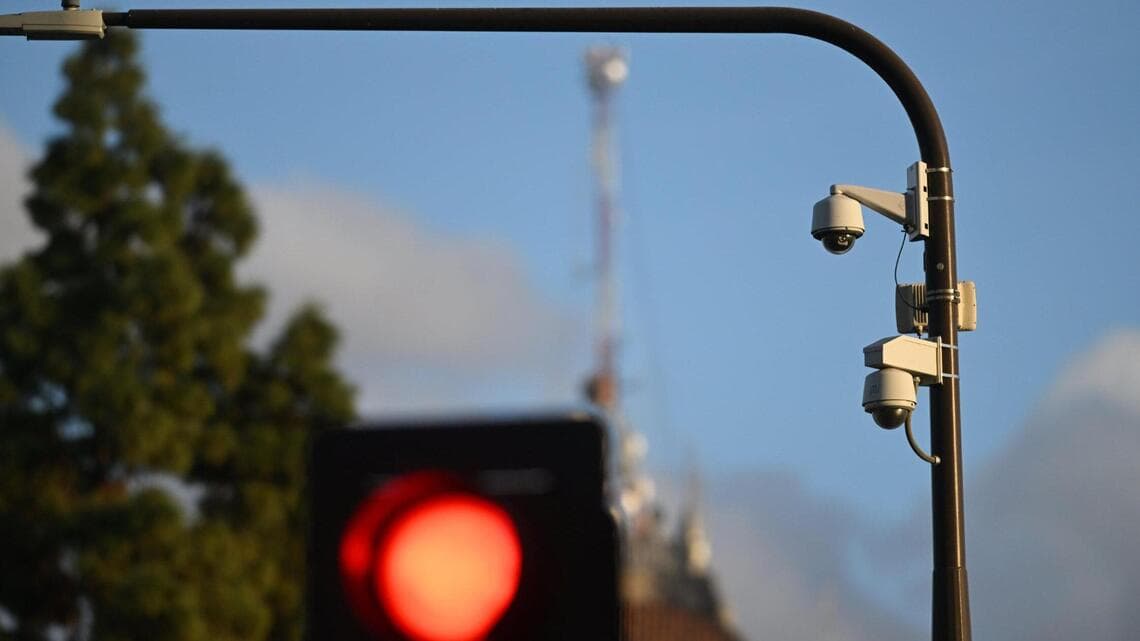
Fresno is weighing red light cameras against a crash record that left 846 people in fatal or severe-injury collisions from 2019 through 2023, according to the city’s Vision Zero Action Plan draft. One intersection keeps surfacing in local concern: Friant Road and Shepherd Avenue logged 21 crashes from 2020 through 2024, a warning sign as the city looks for ways to cut deadly driver behavior before another intersection turns violent.
The proposal sits inside a broader safety push already underway in Fresno. The Vision Zero draft says the city’s plan is built to analyze crash data, engage residents and stakeholders, identify strategies and policy changes, and prepare grant applications. Fresno’s earlier Systemic Local Roadway Safety Plan, issued in September 2020, shows the city has already been trying to map out high-risk locations rather than wait for more emergency calls and more roadside memorials.
Red light cameras are not new in California. The California Highway Patrol’s General Order 100.10 notes that the Legislature first authorized automated traffic enforcement at controlled intersections in 1996 as a three-year trial, then approved continued use in 1998 as the original sunset approached. That history matters in Fresno because any new system will be judged not just on whether it catches violations, but on whether it changes behavior at the city’s deadliest intersections.
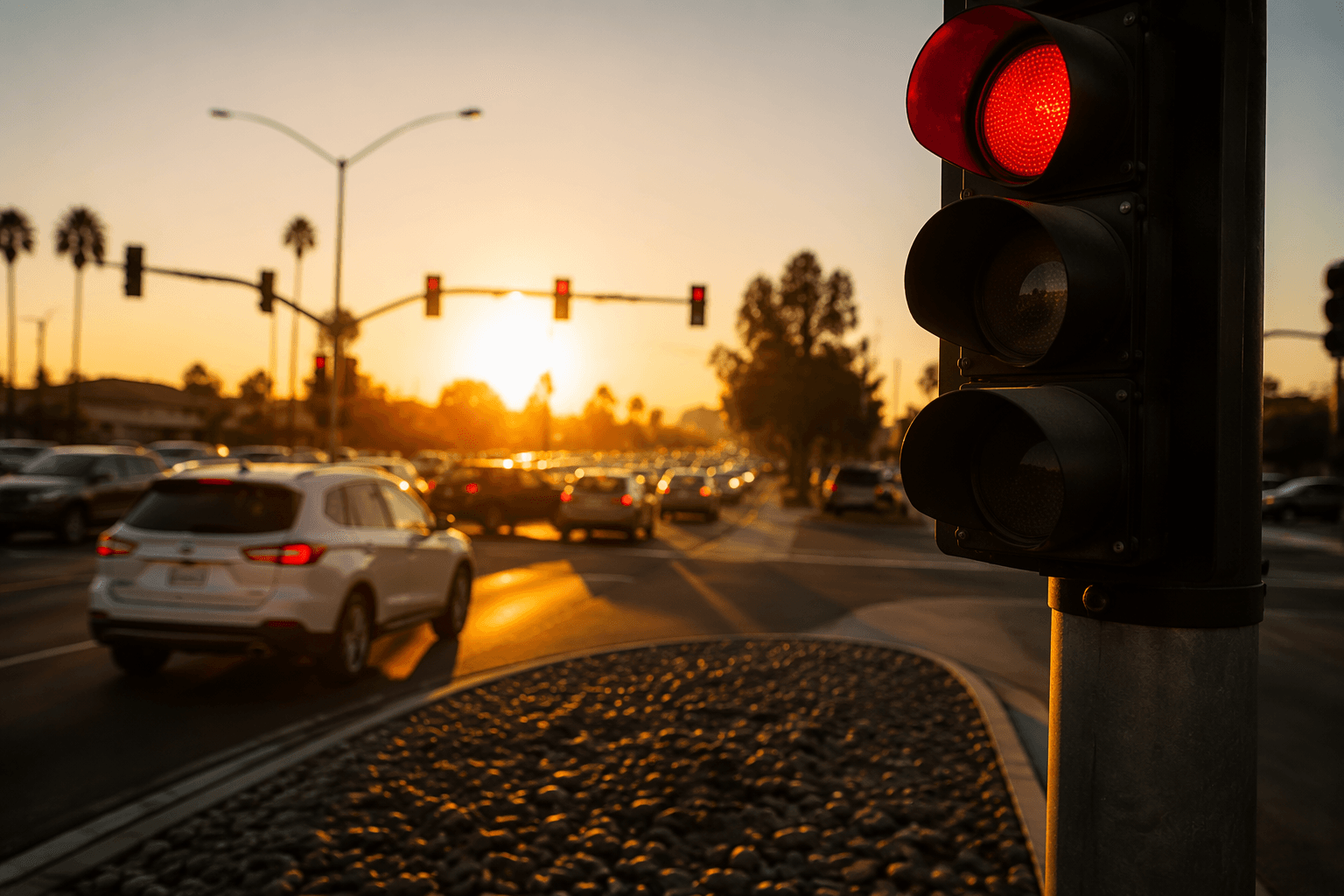
The debate is moving on two tracks: safety and privacy. A 2025 Assembly Committee on Privacy and Consumer Protection analysis of SB 720 raised the question of whether collecting additional license-plate information through red light cameras creates an unnecessary privacy risk for California drivers. That concern is likely to shape how Fresno explains camera placement, how violations are reviewed, and whether the program is tied tightly to the worst crash sites.
Fresno County’s numbers show why the pressure is on. The California Office of Traffic Safety ranked the county 37th out of 58 counties in 2020 and listed 4,459 total fatal and injury victims. In a county that large and car-dependent, the public test for red light cameras will be simple: do they reduce fatal and severe-injury crashes at places like Friant and Shepherd, or do they mainly produce more citations?
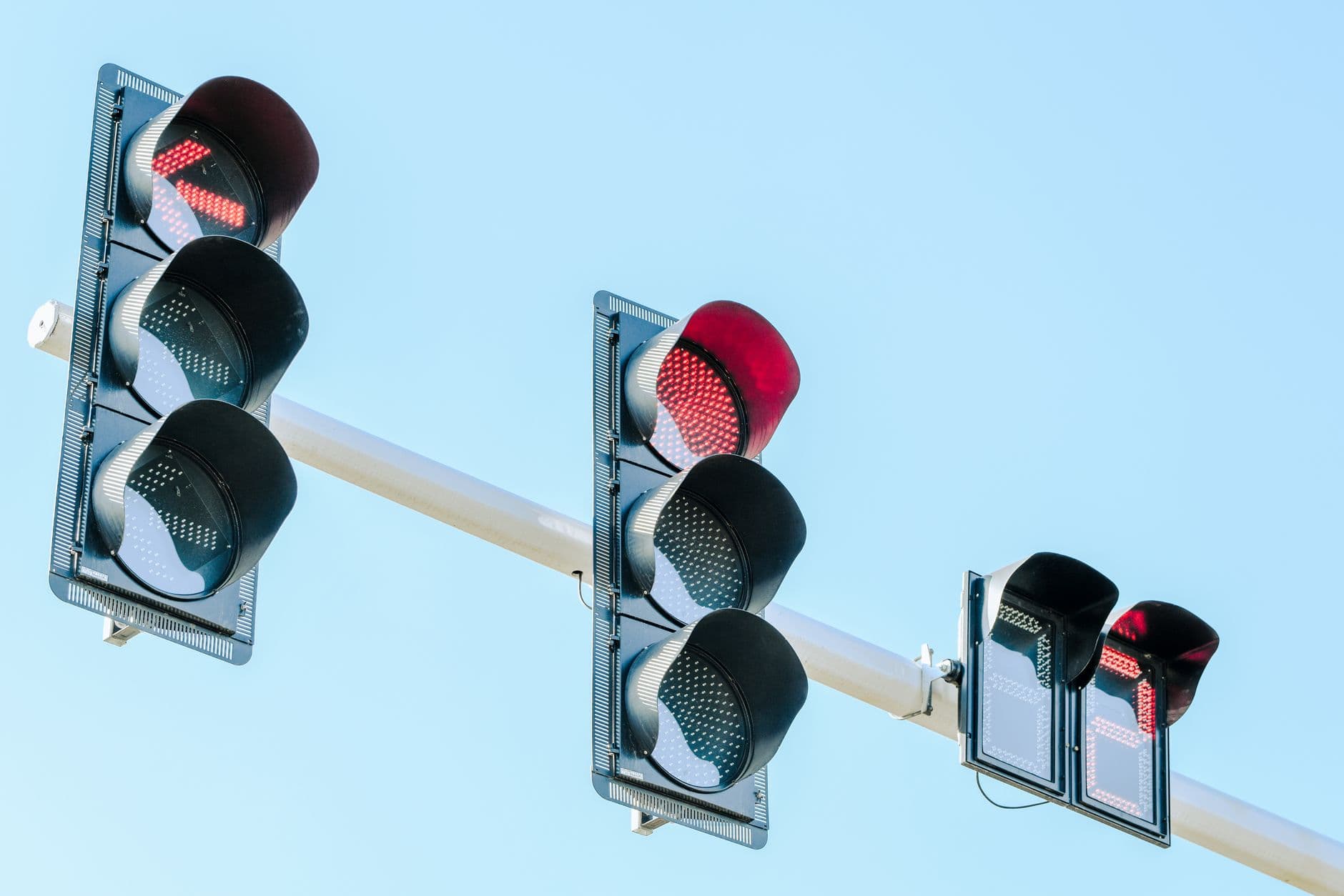
That is the question Fresno officials will have to answer if the city moves ahead. The measure of success will not be the number of tickets written, but whether drivers stop blowing through red lights at the intersections where the worst crashes keep happening.
This article was produced by Prism’s automated news system from verified source data, official records, and press releases, then run through automated quality and moderation checks before publishing. The system is built and supervised by the people who set the standards it runs under. Read our full AI policy.
Did this article answer your question?