Fresno’s Southeast Development plan reignites growth versus preservation debate
South Fresno County homeowners see a threat to land and home values, while Jerry Dyer says Fresno needs SEDA for jobs and housing.
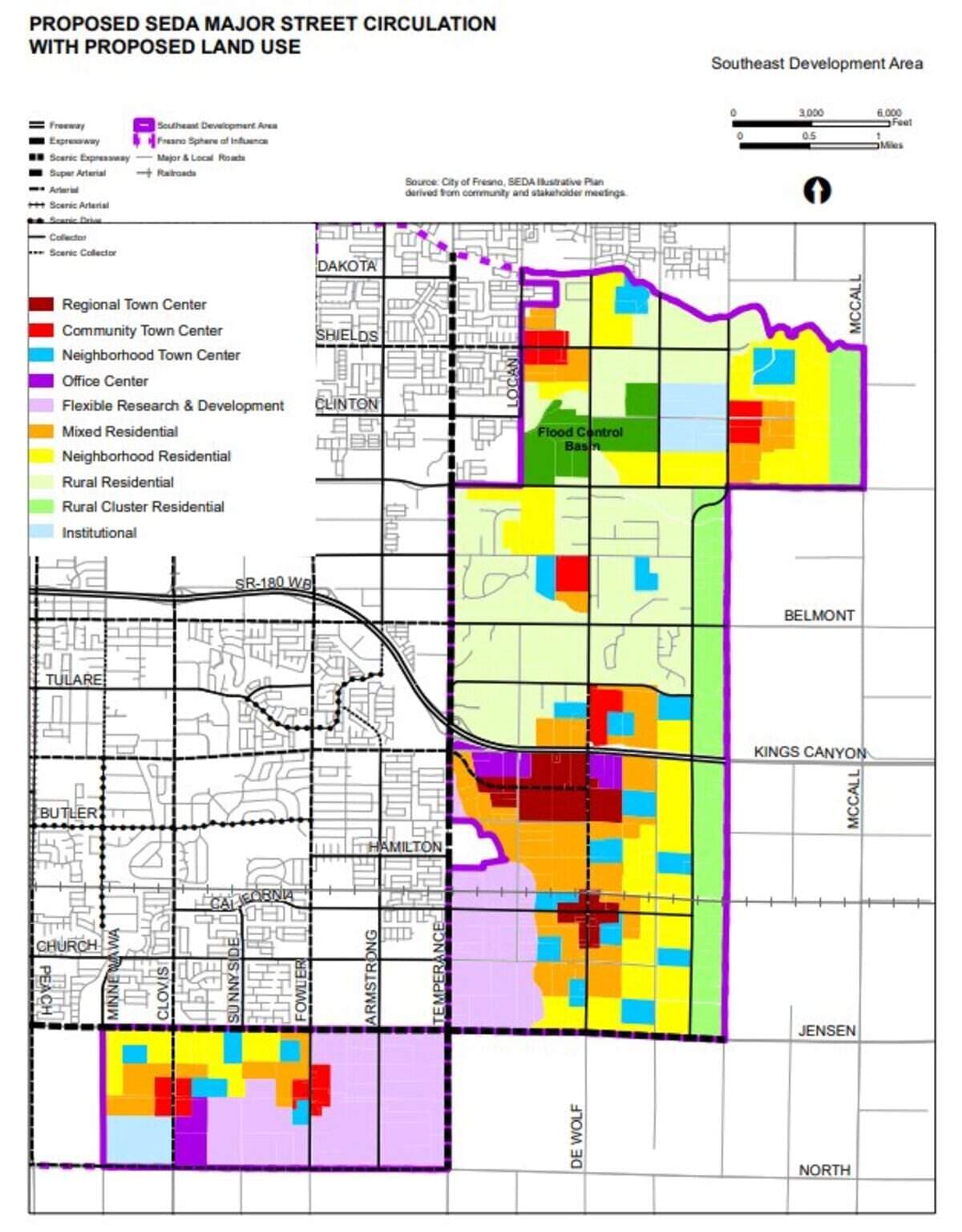
The nearly 9,000-acre Southeast Development Area has put South Fresno County rural homeowners on the defensive, with land near Gould Canal, McCall and Highland avenues, Jensen and North avenues, and Locan, Temperance and Minnewawa avenues suddenly at the center of a plan for about 45,000 homes and 37,000 jobs. For families who bought into open land and rural residential streets, the fight is no longer abstract. One resident warned, “We’ll be pushed out.”
City leaders are treating the plan as a test of whether Fresno can keep pace with California’s housing and job market. Mayor Jerry Dyer has argued that Fresno needs SEDA to stay competitive for jobs, housing and younger residents, and the city’s draft plan says the project is meant to create more housing at all income levels in a fiscally sustainable, environmentally sound, climate-friendly and equitable manner. That pitch rests on a hard local reality: Fresno’s housing crisis has been severe, and the draft plan says 2021 and 2022 rent increases in Fresno were among the 10 highest in the nation.
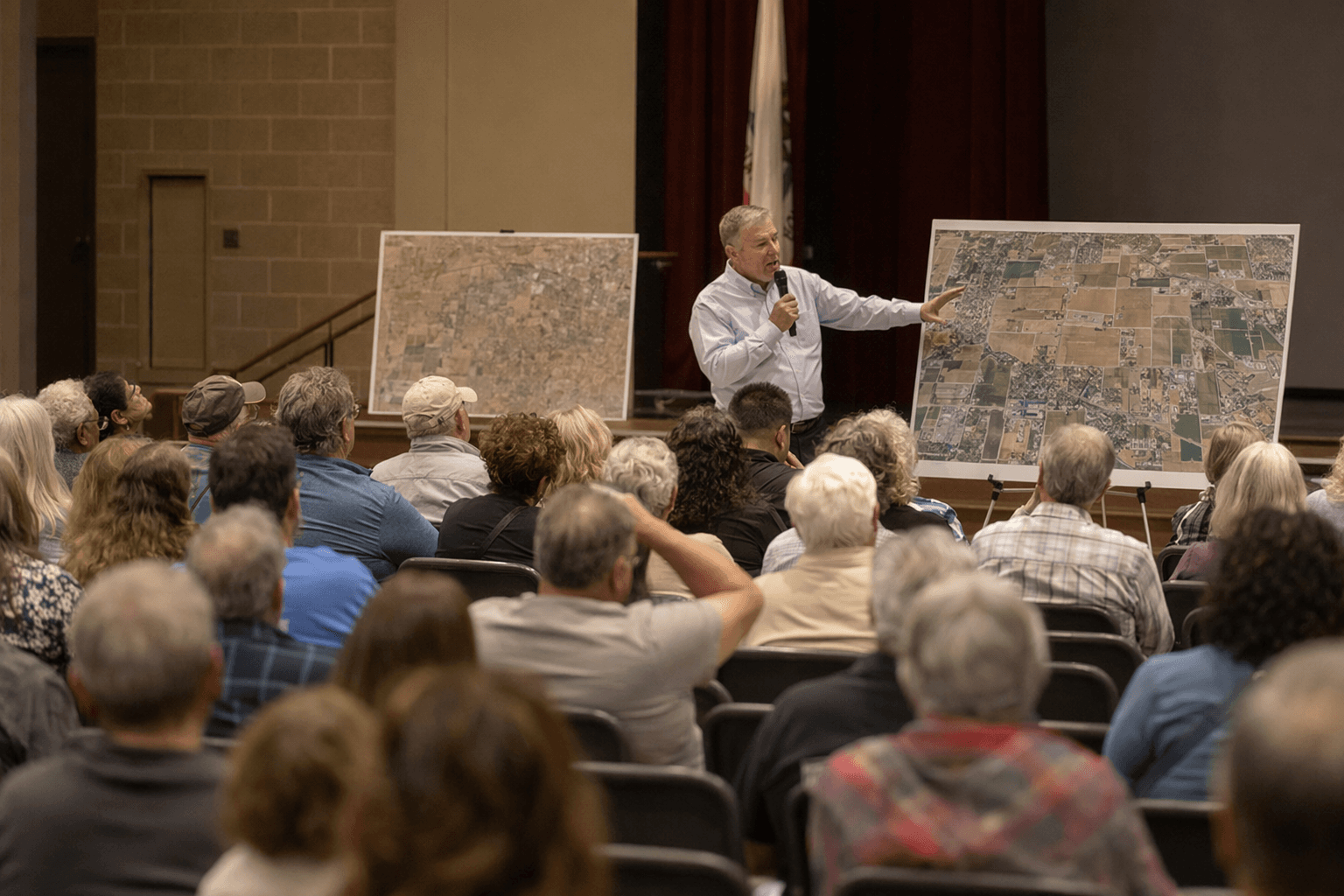
What makes the debate sharper is where the city wants that growth to go. The land now in the project area is mostly agriculture and rural residential development, and critics say the change would convert prime farmland, add carbon emissions and burden roads, schools and public services. The recirculated draft environmental impact report for SEDA was received by the state on February 5, 2025, keeping the proposal alive while deepening the split between supporters and opponents.
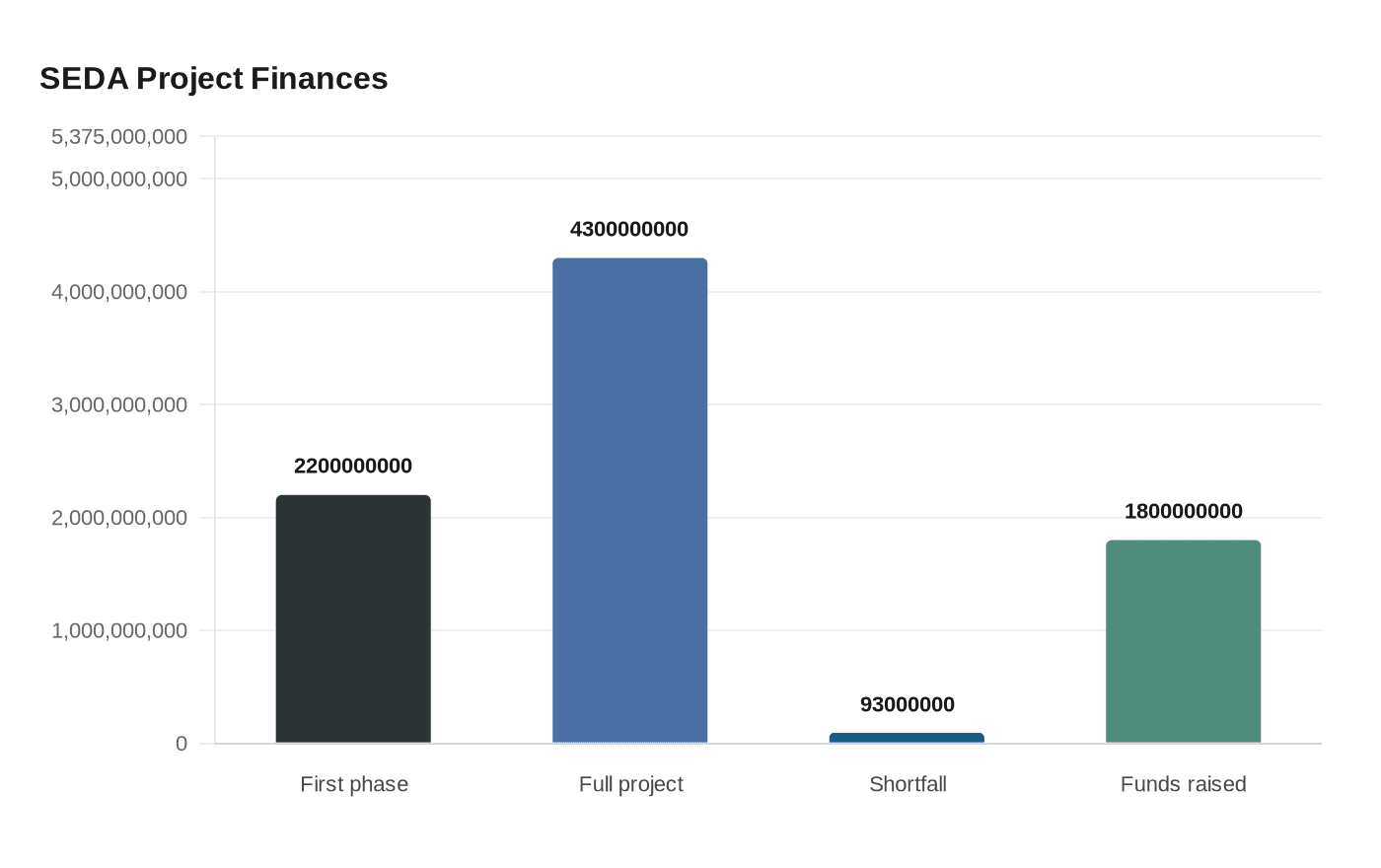
Money has become as volatile a part of the discussion as land use. A June 4, 2025 financial study said the first phase of SEDA would cost $2.2 billion, the full project would reach $4.3 billion, and the first phase would still face a $93 million shortfall. The city’s study says developer fees and a special assessment could raise about $1.8 billion, but the gap is large enough to raise questions about who pays for streets, utilities and other infrastructure if the project moves ahead.
The political ripple has spread beyond homeowners. Fresno Unified trustees tabled a resolution that would have made the district the first public agency to formally oppose SEDA, and Clovis Unified and Central Unified have raised concerns about enrollment, service costs and strain on already stretched systems. City officials have said they will bring the 9,000-acre plan and the financial studies to the council in the summer, setting up another round of hearings, lobbying and public pressure over whether Fresno grows outward or holds the line at its rural edge.
This article was produced by Prism’s automated news system from verified source data, official records, and press releases, then run through automated quality and moderation checks before publishing. The system is built and supervised by the people who set the standards it runs under. Read our full AI policy.
Did this article answer your question?


