Health advocates urge Central Valley mixed-status families to enroll by Jan. 31
Health advocates and Covered California urged Central Valley mixed‑status and immigrant families to enroll in health plans by the Jan. 31, 2026 deadline, citing fear and misinformation that block care.

Health advocates and Covered California officials urged mixed‑status and immigrant families across the Central Valley to sign up for health coverage before the Jan. 31, 2026 open‑enrollment deadline, warning that fear and misinformation about federal immigration policy are keeping people from getting care.
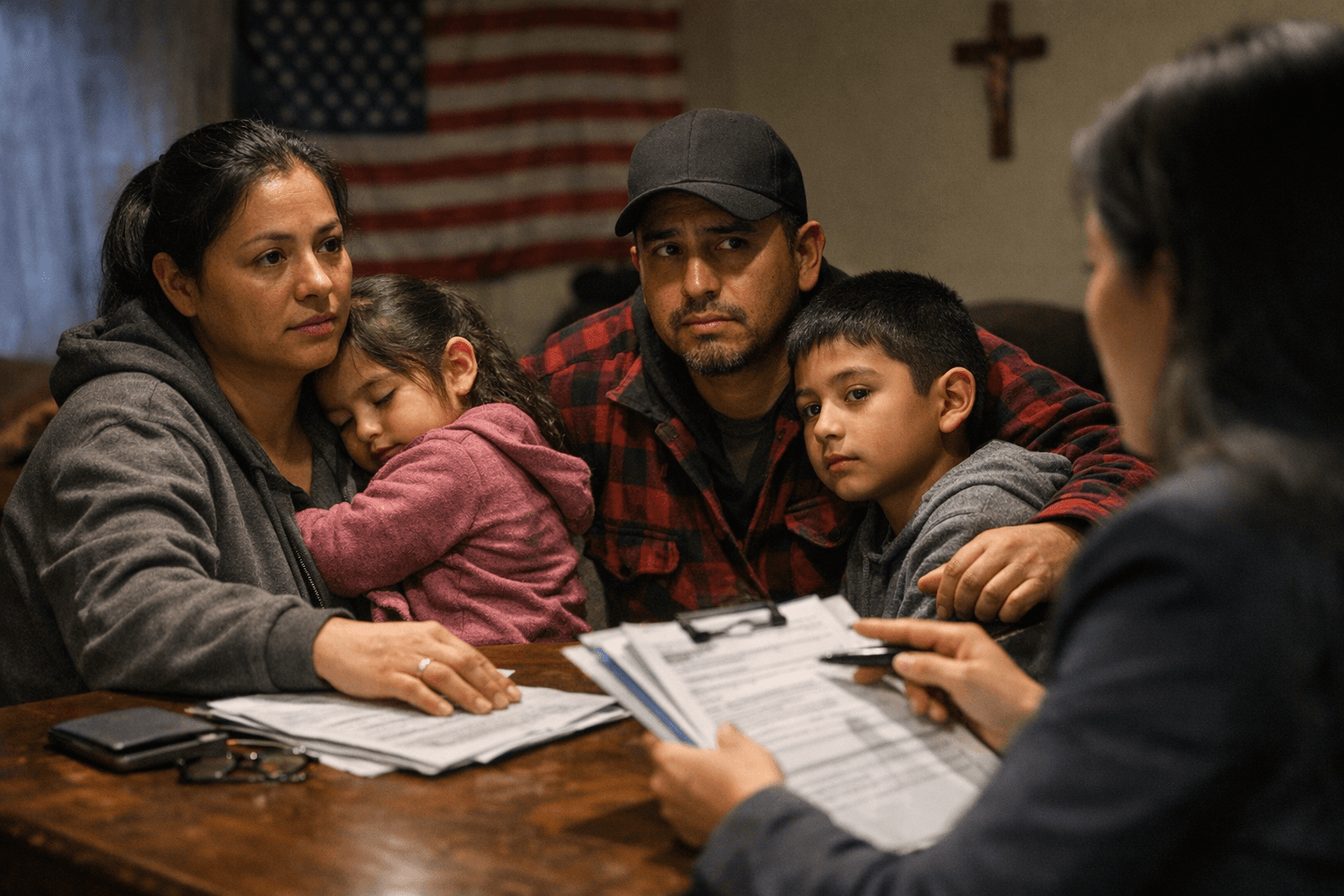
Sandra Celedon, president and CEO of Fresno Building Healthy Communities, said the climate of uncertainty is deterring families from enrolling. “We can’t deny that many of our families, especially our vulnerable families, are under attack, and that creates a lot of fear and uncertainty,” Celedon said. She added a practical step for worried households: “I would encourage families that are from mixed immigration status to talk to a certified enrollment connector so that they’re able to really understand what opportunities are available to them and make an informed decision.”
Covered California sought to address one of the most common concerns. “The message is very clear from Covered California that all the information that families share with us is confidential,” Jeffrey Reynoso, senior advisor, policy strategy and community Engagement, Covered California, said, emphasizing privacy protections that advocates say are not always widely understood in the Valley.
Local health leaders warned about concrete consequences when families avoid enrollment. Genoveva Islas, MPH, founder and executive director of Cultiva La Salud, described the downstream effects on work and schooling: “Parents can’t work if they’re sick. Children won’t go to school to fulfill their education if they’re sick either.” Advocates say lack of insurance also limits preventive care, immunizations and management of chronic illnesses such as diabetes, hypertension and heart disease, which are common in many Central Valley communities.
The outreach came amid broader national debate over a proposed Department of Homeland Security rule that would reverse parts of the 2022 Public Charge Final Rule. An American Public Health Association summary of public comment said, “The public comment calls on DHS to withdraw the proposal, which rescinds the 2022 Public Charge Final Rule without replacing it with any substantive guidance, granting immigration officers broad discretion to consider virtually any public benefit or factor when determining whether an individual is likely to become a ‘public charge.’” National health leaders warned the change could chill use of benefits and harm communities. Richard Besser, president and CEO of the Robert Wood Johnson Foundation, said, “RWJF strongly opposes this proposed rule, which is one part of a broad assault on immigrant families and the communities where immigrants live,” and added, “Community health depends on everyone having access to the support and services they need to thrive. This proposed rule would harm families and communities across the nation and take us farther away from a future where health is no longer a privilege for some, but a right for all.” Kelly Gebo, dean of the George Washington University Milken Institute School of Public Health, urged careful review: “We encourage careful consideration of the potential impacts of this proposal on families and communities.”
California law requires most residents to have health insurance or face a tax penalty, but advocates say legal requirements matter less than real-world fear and the logistical barriers that rural Central Valley families face. For now, local organizations are focused on outreach, reassurance and helping families connect with certified enrollment connectors so they can make informed choices about coverage. The push highlighted how enrollment decisions by mixed‑status households affect not only individual health but school attendance, workplace stability and the wider Fresno County economy.
This article was produced by Prism’s automated news system from verified source data, official records, and press releases, then run through automated quality and moderation checks before publishing. The system is built and supervised by the people who set the standards it runs under. Read our full AI policy.
Did this article answer your question?