Judge to decide whether Caleb Quick suspect faces adult court
Byron Rangel’s transfer fight could decide whether Caleb Quick’s accused shooter faces adult court, with life without parole on the line and a separate denial already issued for Cassie Michael.

Nearly 18 months after Caleb Quick was shot in the back of the head outside a Clovis McDonald’s, a Fresno County judge was left to decide whether the accused shooter, Byron Rangel, should be tried as an adult. The ruling matters because it could determine whether prosecutors can seek life without parole or whether the case stays in juvenile court, where confinement is far shorter.
Quick, 18, was a Clovis Unified School District senior set to graduate in May 2025 when police say he was shot shortly before 9 p.m. on April 23, 2025, near Willow and Nees avenues. Prosecutors say the killing happened outside a McDonald’s where teens gathered for a weekly meet-up called Fry Night. They also say Rangel was the male seen on surveillance video inside the restaurant before following Quick out, while Cassandra Michael was the female driving a white Tesla near the scene.
The transfer fight turned on California Welfare and Institutions Code section 707 and California Rules of Court rule 5.770, which require prosecutors to prove by clear and convincing evidence that adult prosecution is warranted. The Fresno County District Attorney’s Office wants both teens moved to adult court because of the seriousness of the killing. If Rangel is transferred and convicted, prosecutors say he could face life without parole. If he remains in juvenile court, the possible confinement is capped at seven years or until age 25 under current juvenile sentencing rules.
The defense has argued that the judge must make an independent finding and not be swayed by media attention or by the separate case against Michael. In May 2026, a Fresno judge denied Michael’s request to be tried as an adult, saying prosecutors had not shown she was not rehabilitable. That ruling did not control Rangel’s case, but it set a public benchmark in a case that has already drawn intense scrutiny in Clovis and across Fresno County.
Rangel’s attorney has said the teen had no prior criminal history and that the seriousness of the offense was the main factor weighing against release. Michael’s attorney said she had no criminal record and there was nothing in discovery showing she knew anything about a firearm. Defense lawyers have also pointed to allegations that Quick sexually assaulted an unconscious teenage girl, a claim that remains an allegation, not a proven fact.
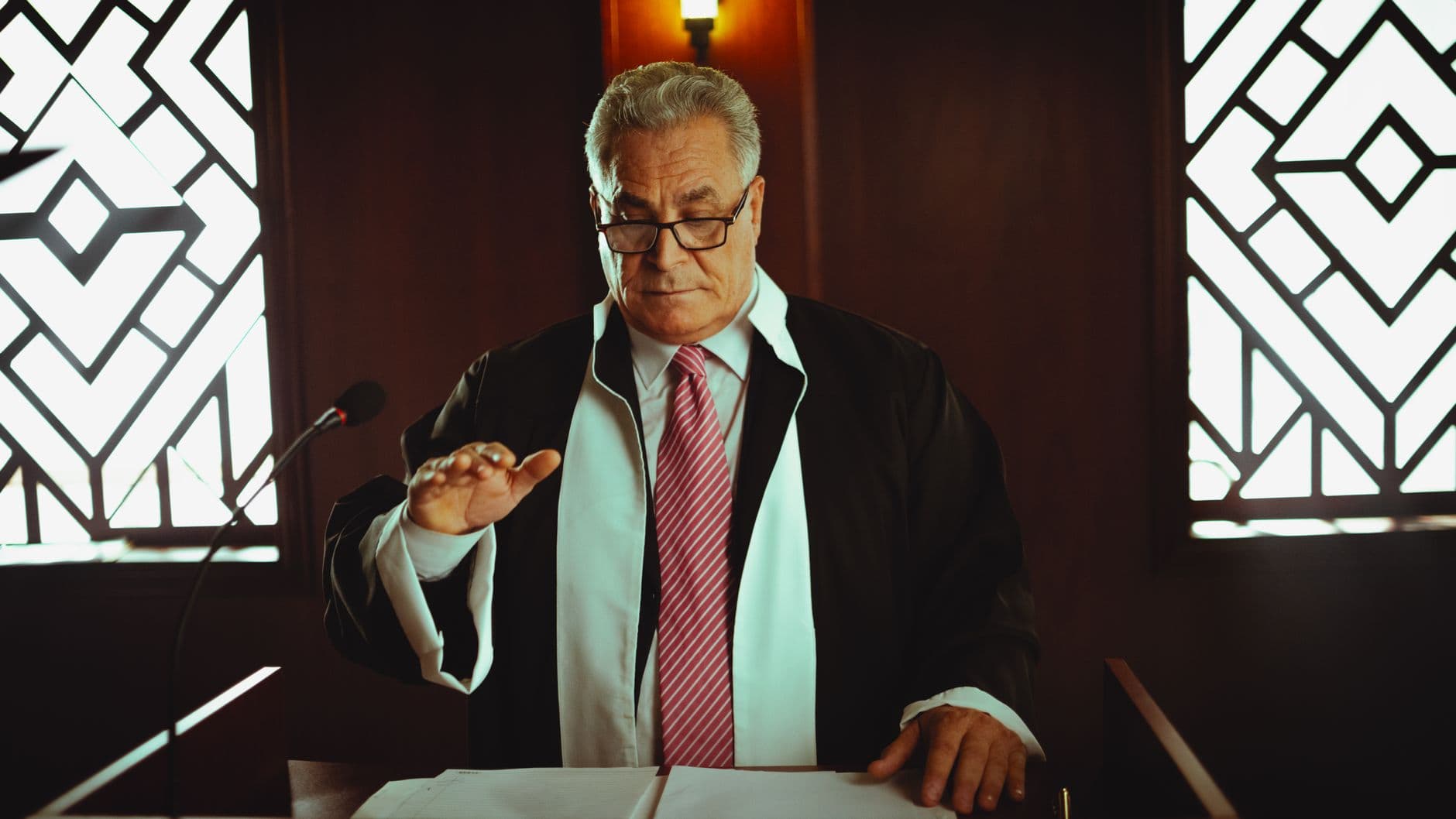
Quick’s father, Stephen Quick, has been a steady presence at hearings and organized a worship service in the Willow and Nees parking lot on the first anniversary of his son’s death. For the family, the transfer ruling is more than a procedure. It is the decision that will shape how much punishment the court can impose, and how soon this case can move toward trial or resolution.
This article was produced by Prism’s automated news system from verified source data, official records, and press releases, then run through automated quality and moderation checks before publishing. The system is built and supervised by the people who set the standards it runs under. Read our full AI policy.
Did this article answer your question?


