Orange Cove rejects SoCalGas hydrogen blending pilot unanimously
Orange Cove unanimously blocked SoCalGas’s hydrogen-blending pilot, after residents warned the project would turn their city into a ratepayer-funded test site.
Orange Cove shut the door on SoCalGas’s hydrogen-blending pilot Wednesday, voting unanimously to reject a project that would have fed up to 5% hydrogen into the city’s natural-gas system. The decision came after months of pushback from residents who said the Fresno County city should not be turned into a test case for a statewide experiment.
The opposition had already reached the council chamber in force. At an April 22 meeting, residents presented a petition with 652 signatures, nearly 20% of the electorate, objecting to the proposal. Alma Figueroa, an Orange Cove resident who has asthma and recurrent lung cancer, told the council, “I don't want to be anyone's experiment.”
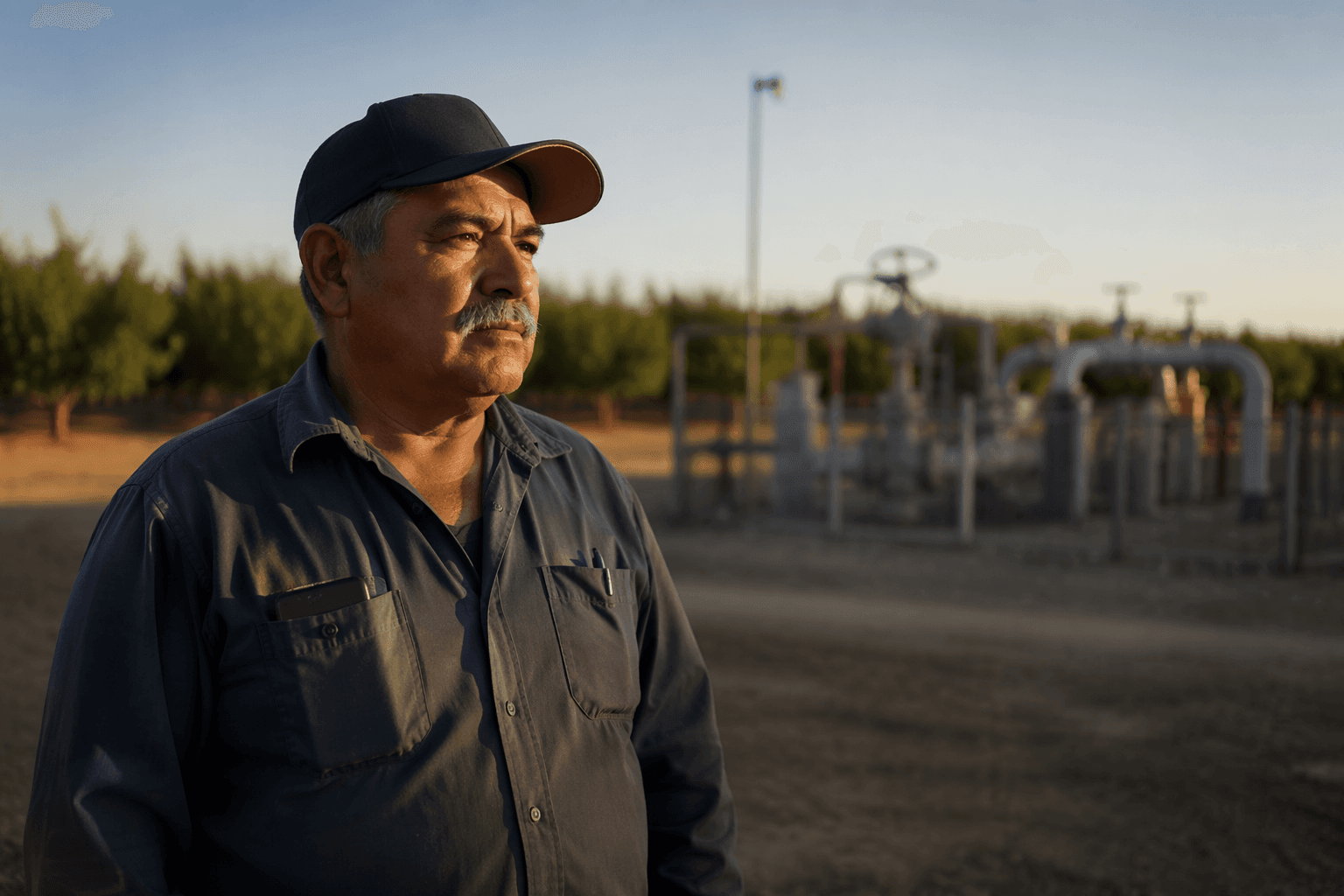
The project had first been advanced by SoCalGas in February 2024, and the Orange Cove City Council initially passed a resolution in March 2024 directing staff to work with the utility. That changed as residents raised concerns about safety, transparency and who would pay for the experiment. The pilot was estimated at $64.3 million and was expected to be paid by ratepayers.
The demonstration would serve about 2,000 gas meters and roughly 10,000 residents in Orange Cove. The plan called for the blend to begin at 0.1% hydrogen, with the pilot laid out in four phases over about three years. The demonstration was meant to study pipe vintages, joining methods, sealing materials, leak detection technologies and residential appliance performance under live operating conditions.
The planned blending facility was to sit on an open parcel next to Orange Cove High School’s football field, putting the project within sight of students and families in a community that already lives with the daily risks of aging infrastructure. Jamie Zweifler-Katz said older Orange Cove pipelines were not designed to handle hydrogen and pointed to possible dangers for pipelines and appliances.
The CPUC treats the hydrogen pilots as part of a broader statewide effort to develop a safe clean-renewable hydrogen injection standard. Utilities first sought guidance in a November 20, 2020 filing, and the commission later directed them in December 2022 to propose pilot projects based on a University of California, Riverside study. That study identified concerns including hydrogen embrittlement, increased leakage rates and potential safety hazards.
This article was produced by Prism’s automated news system from verified source data, official records, and press releases, then run through automated quality and moderation checks before publishing. The system is built and supervised by the people who set the standards it runs under. Read our full AI policy.
Did this article answer your question?


