PepsiCo swaps 50 gas trucks for electric fleet in Fresno County
PepsiCo replaced 50 gas trucks with electric semis at its Malaga plant, a move officials say could cut diesel exhaust along Highway 99 and push other Valley fleets to follow.
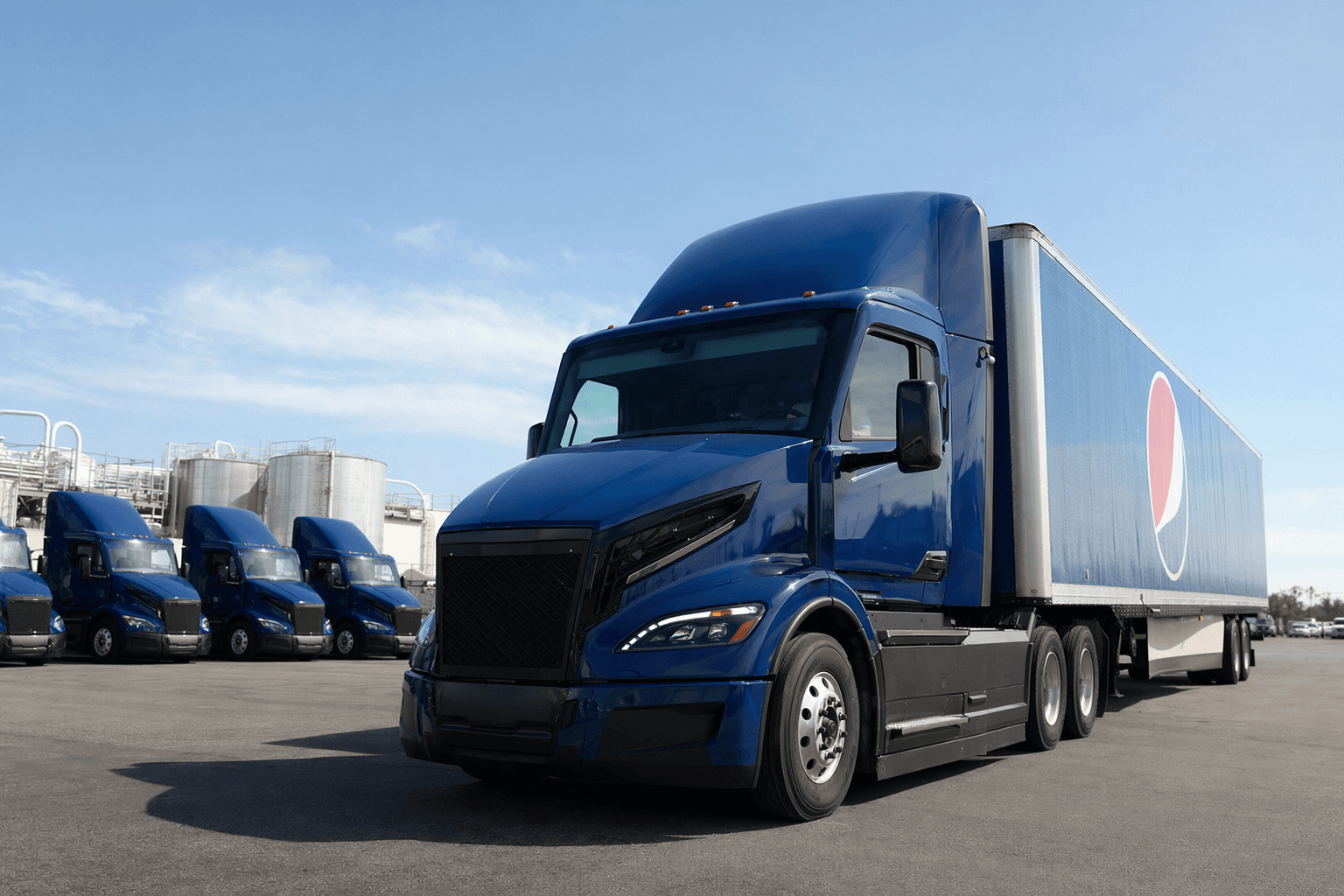
PepsiCo’s Malaga operation has turned one of Fresno County’s busiest industrial sites into a clean-freight test case, replacing 50 gas-powered delivery trucks with electric vehicles as local air officials and state agencies push the Valley toward lower emissions. Roughly 5,000 to 6,000 cars and vehicles move in and out of the facility each day, making the shift more than a corporate gesture. It is a visible change in how goods will move through Fresno County, with consequences for air quality, fleet costs and the pressure other large companies will face to modernize.
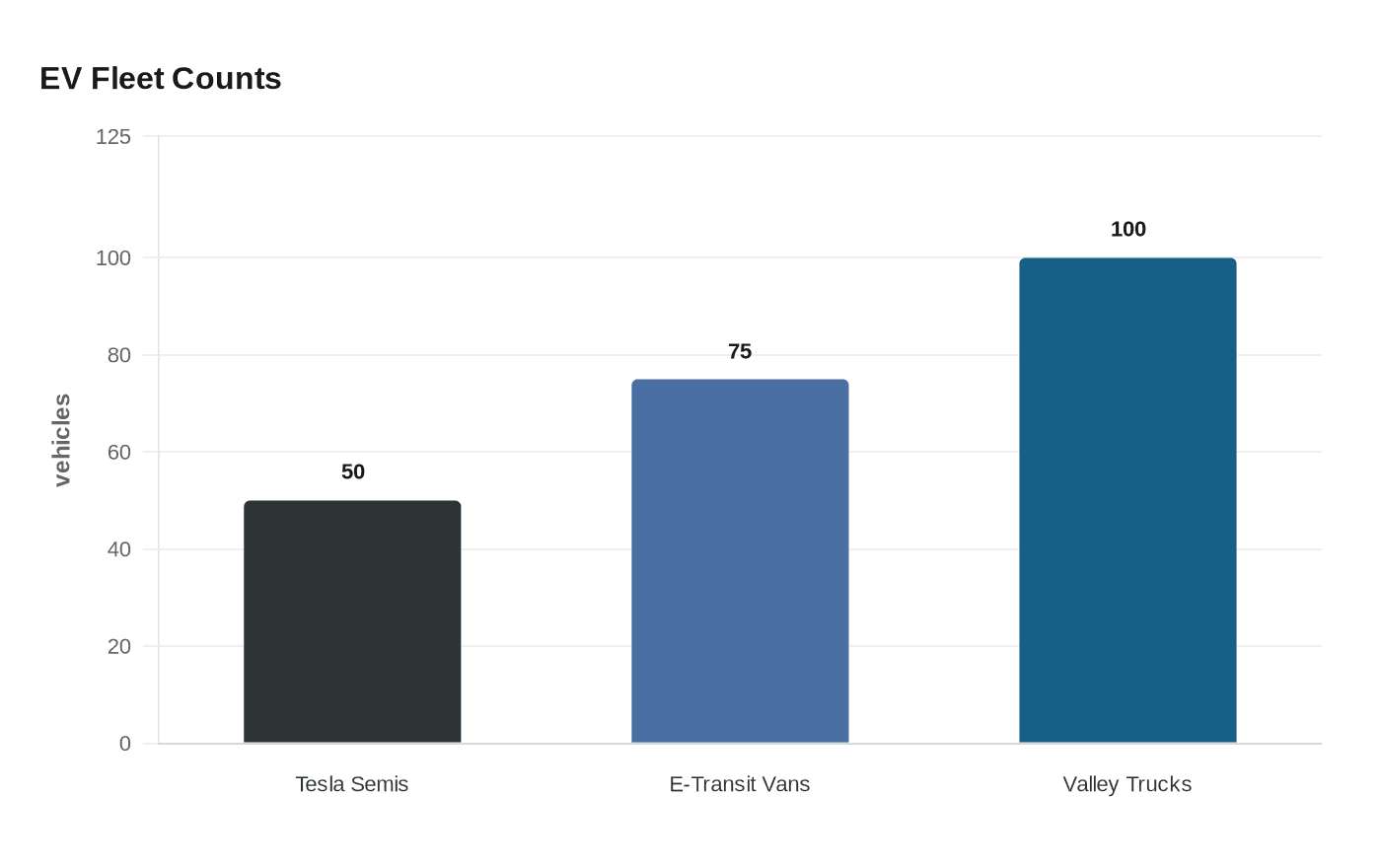
PepsiCo Beverages North America announced in May 2024 that 50 Class 8 Tesla Semi trucks would operate out of its Fresno manufacturing and distribution facility, along with 75 Ford E-Transit electric vans deployed across California. The company tied the rollout to its pep+ goal of reaching net-zero emissions by 2040 and said its broader fleet strategy includes route optimization, load optimization, driver efficiency improvements and a transition to zero-emission vehicles. Over the last year, that plan has taken shape at the Fresno plant as battery-powered delivery trucks have begun replacing diesel and gasoline rigs.
Public money helped make the move happen. PepsiCo said the California EV fleet expansion was supported by grants from the California Air Resources Board, the San Joaquin Valley Air Pollution Control District and the California Energy Commission through California Climate Investments. The Valley Air District has also been building the region’s truck-electrification network, accepting more than $36.5 million in state funding in 2022 to deploy 100 zero-emission battery-electric Class 8 trucks and fast-charging infrastructure in the Valley, with an emphasis on low-income and disadvantaged communities.
Brian Dodds of the air district said the PepsiCo trucks will travel up and down Highway 99, likely from Bakersfield to Sacramento, giving regulators a real-world example of what electric semis can do in local freight service. He said the trucks bring air-quality and comfort benefits for drivers because they do not come home smelling like diesel exhaust and ride more comfortably. The tradeoff is time: each charge takes about 45 minutes.
Salvador Cerrillo, a Fresno County resident and PepsiCo manager, said the scale of activity at Malaga shows how quickly transportation emissions add up and why the company had to start making changes now for future generations. The timing matters in a region that posted its least polluted year on record in 2025. For Fresno neighborhoods near freight corridors, the payoff may come less at the grocery shelf than in the air outside, as fewer diesel miles on Highway 99 slowly replace one of the Valley’s most persistent sources of pollution.
This article was produced by Prism’s automated news system from verified source data, official records, and press releases, then run through automated quality and moderation checks before publishing. The system is built and supervised by the people who set the standards it runs under. Read our full AI policy.
Did this article answer your question?