Warm weather speeds Fresno County grape harvest by weeks
Easton crews started clipping seedless ivory-green grapes two to three weeks early after a hot spring pushed Fresno County’s harvest ahead of schedule.
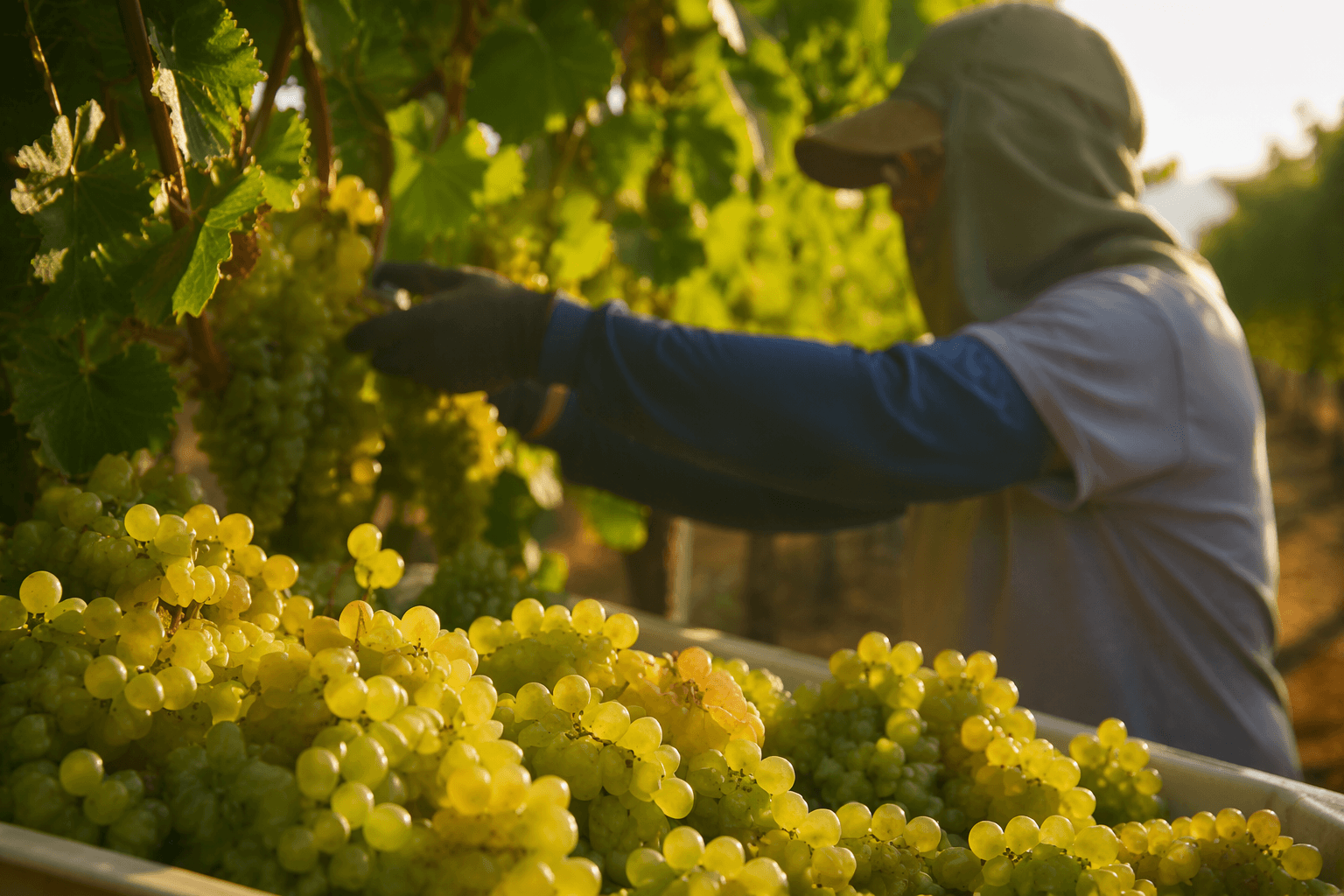
An Easton vineyard was already into table grapes on July 13, with crews picking seedless ivory-green fruit about two to three weeks earlier than normal after an unusually warm spring accelerated Fresno County’s season. George Matoian of Mountain View Fruit Sales said the heat changed the rhythm of the harvest itself: when temperatures approach 100 degrees, crews shorten the day to protect workers, and muggy conditions have made that timing even more important.
The early start followed California’s warmest and driest March on record, according to the National Oceanic and Atmospheric Administration, and Matoian said the crop received a push in March that carried through the summer. That matters in Fresno County because grape harvest is not just a matter of clipping fruit. Once picked, the grapes are packed, stacked on pallets, chilled quickly and loaded into refrigerated trucks for cold storage and shipment.
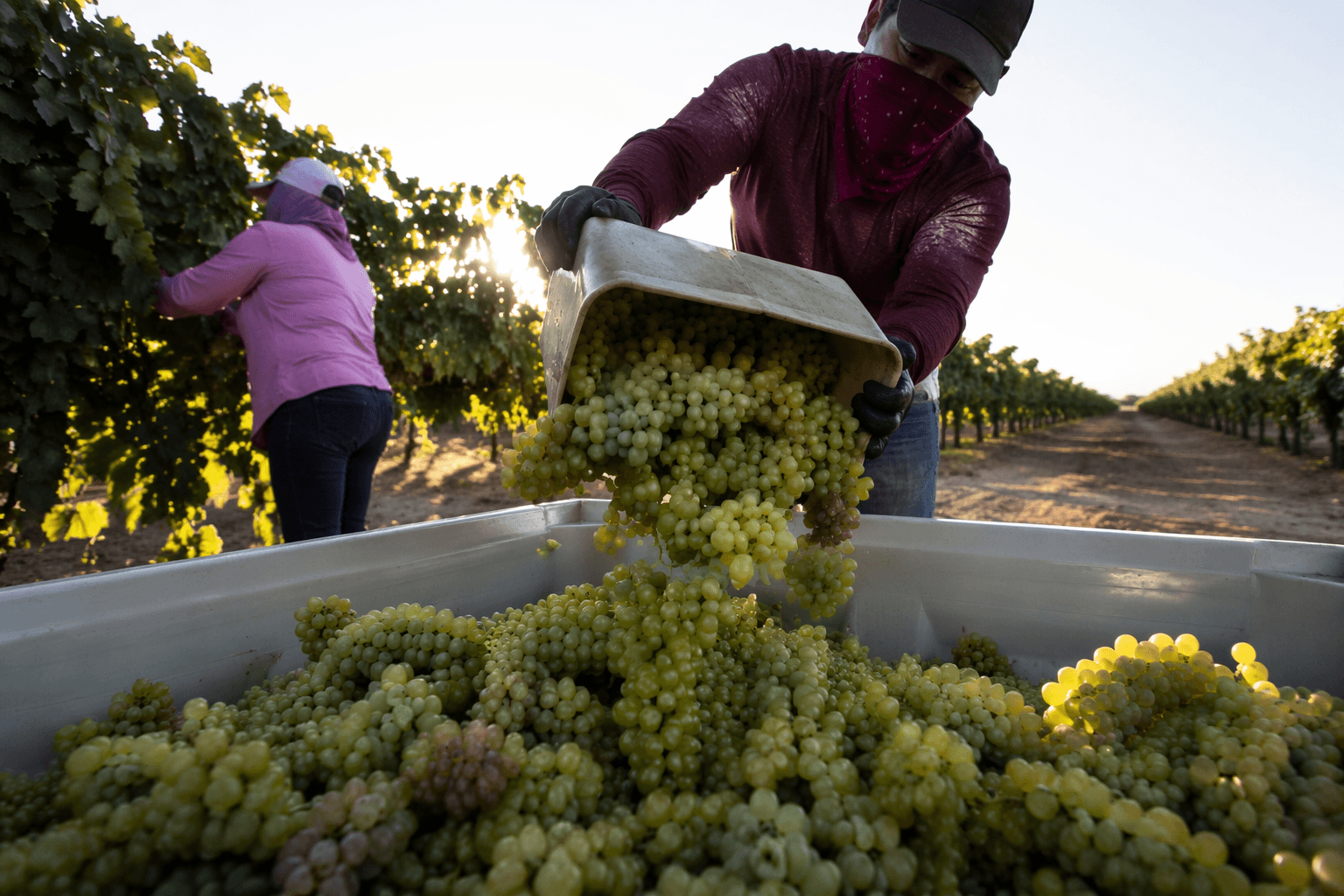
Those trucks do not stop at Central Valley grocery shelves. Fresno County grapes move across the United States and into Asia, tying one early harvest to a larger chain of labor scheduling, packing-line demand, cooling capacity and shipping windows. County figures show why the stakes are high: Fresno County’s 2024 gross agricultural production value reached $9.029 billion, with farmers growing more than 350 crops across 1.88 million acres. County officials say farm agriculture supports about 20% of all jobs in the Fresno area, and every $1 generated on the farm produces another $3.50 in the local and regional economy.
UC Agriculture and Natural Resources says the San Joaquin Valley’s hot, dry, low-humidity climate is well suited to grapes, but vineyards still depend on supplemental irrigation. Its harvest calendar places grapes in the July-through-October window, which helps explain why a hot July can pull fruit forward before consumers ever see it in stores. The county’s export system shows how much depends on getting the crop out cleanly: Fresno County inspectors issued 17,613 phytosanitary certificates in 2021 for commodities headed to 96 countries.
The early harvest also fits a pattern that is becoming harder to dismiss as a one-off. In 2024, extreme heat in Fresno County already caused sunburn and sizing problems in grapes, and Matoian said prolonged triple-digit temperatures stunned the crop. This year’s faster pick points to the same pressure from heat, water and timing that growers across the San Joaquin Valley are trying to manage before quality slips in the field.
This article was produced by Prism’s automated news system from verified source data, official records, and press releases, then run through automated quality and moderation checks before publishing. The system is built and supervised by the people who set the standards it runs under. Read our full AI policy.
Did this article answer your question?