Westlands calls federal water allocation increase disappointing for growers
Westlands said the federal bump to 25% still leaves growers short, even as spring runoff improved and reservoirs held up better than expected.
Westlands Water District said a federal water allocation increase from 20% to 25% was still not enough to give growers on the west side the certainty they need to plant, pump and hire with confidence.
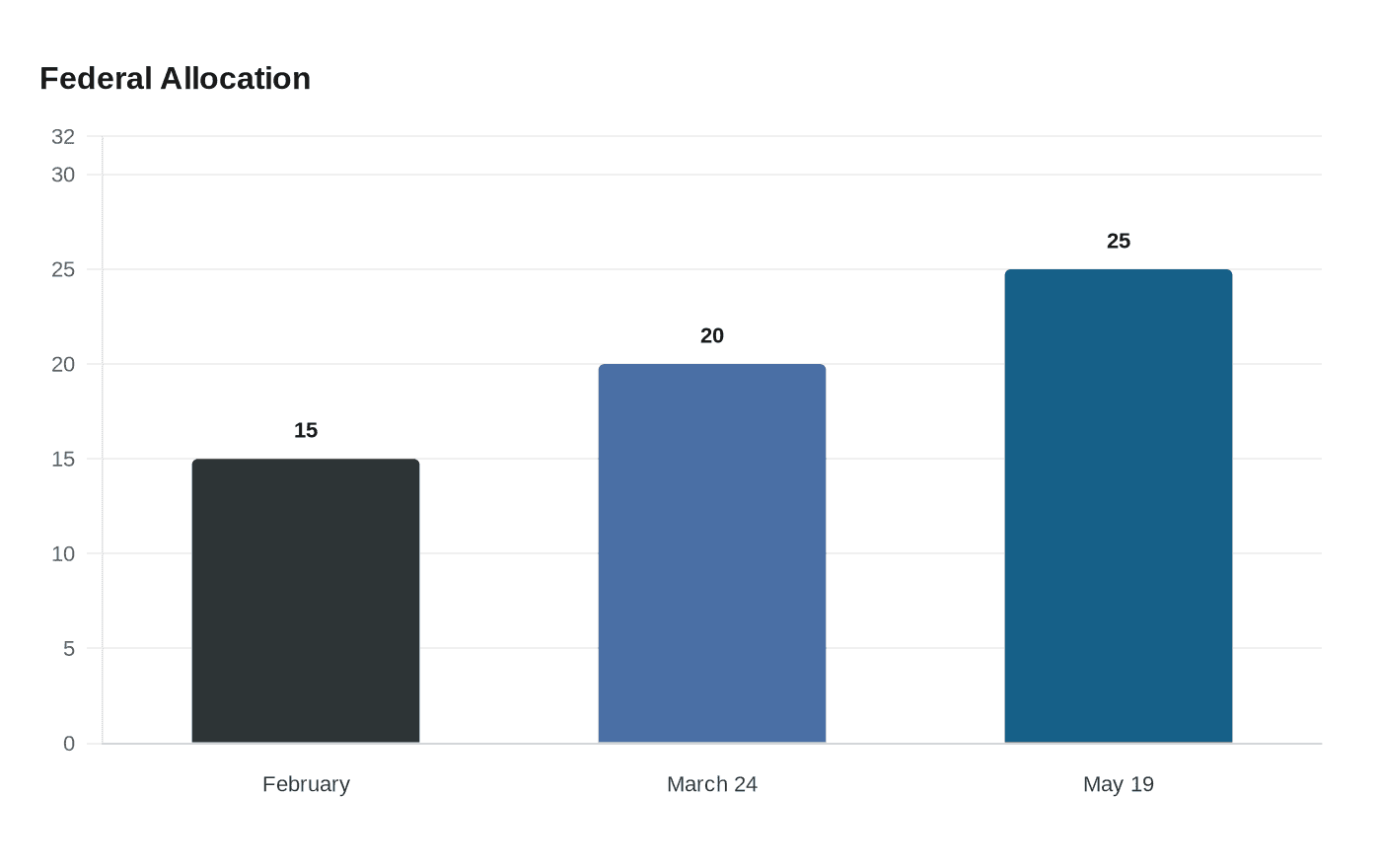
The Bureau of Reclamation raised south-of-Delta irrigation contractors to 25% of their contract total in a May 19 update, saying the increase reflected “continued modest improvements” in reservoir storage and spring runoff after April storm activity. But the agency also said the Sierra Nevada snowpack had largely dissipated earlier than usual because of a warm spring, underscoring how quickly this water year has tightened.
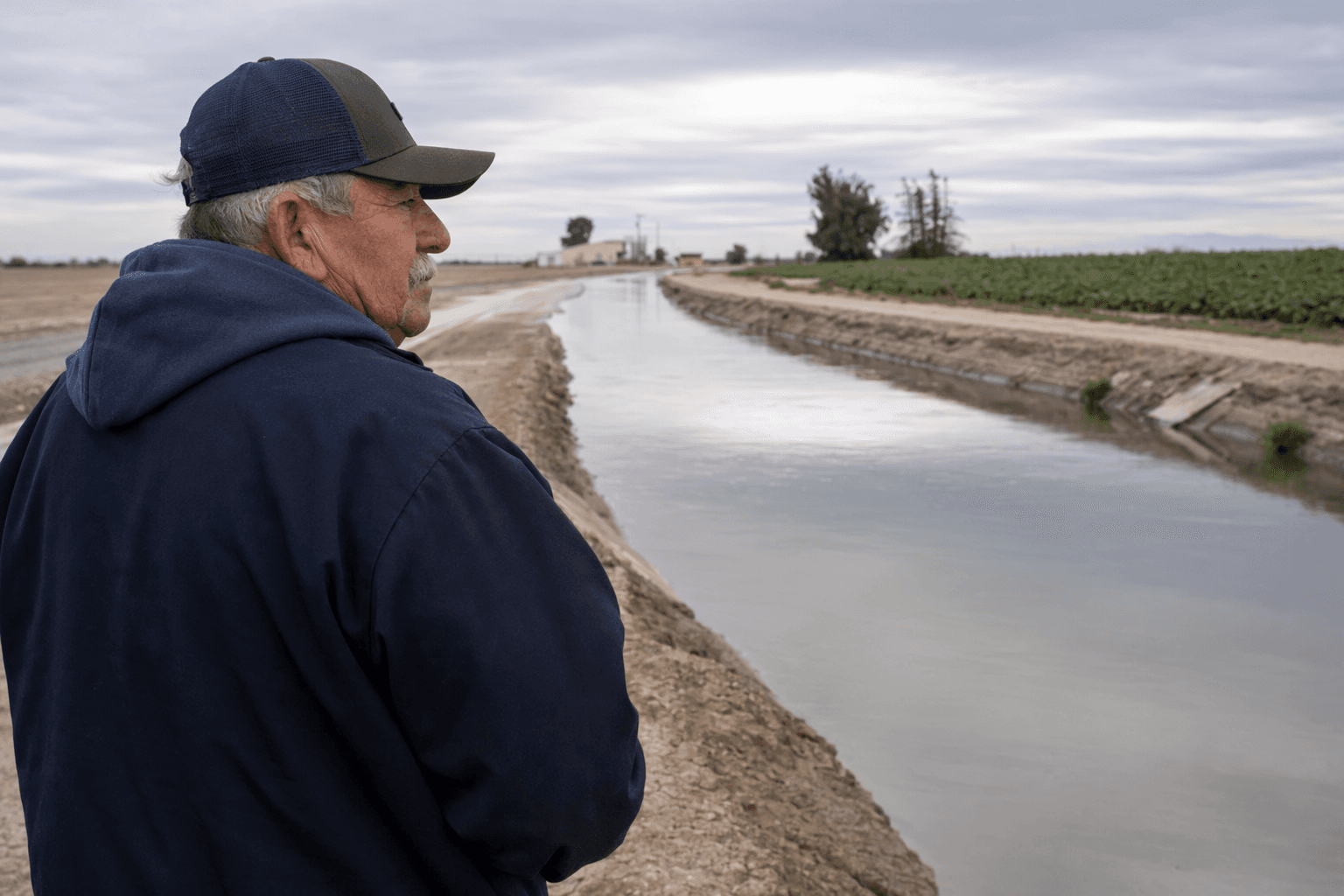
For Westlands, which serves more than 1,000 square miles of prime farmland in western Fresno and Kings counties and has federal contracts for about 700 family-owned farms, the extra 5 percentage points still leaves too much uncertainty. General Manager Allison Febbo said in February that a 15% allocation did not reflect current hydrologic conditions and fell short for the district’s nearly 700 family-owned farms. In March, after Reclamation moved the allocation to 20%, she called the added water “simply inadequate” and said low deliveries drive more groundwater pumping, fallowed farmland and lost jobs.
That is the problem growers on the west side are trying to solve. A small increase on paper can still translate into difficult acreage decisions in the field, especially when farmers are balancing irrigation needs, labor demand and the cost of keeping land in production. Westlands’ complaint makes clear that the district sees the 25% level as a modest improvement, not a workable supply for a region built around irrigated agriculture.
Reclamation had already lifted south-of-Delta irrigation allocations from 15% to 20% on March 24, when it also made 222,000 acre-feet of previously rescheduled water available for use in 2026 and left about 94,000 acre-feet in San Luis Reservoir as part of its drought reserve strategy. Even with those moves, the district has argued that federal deliveries remain too uncertain to support normal planting and harvest planning.
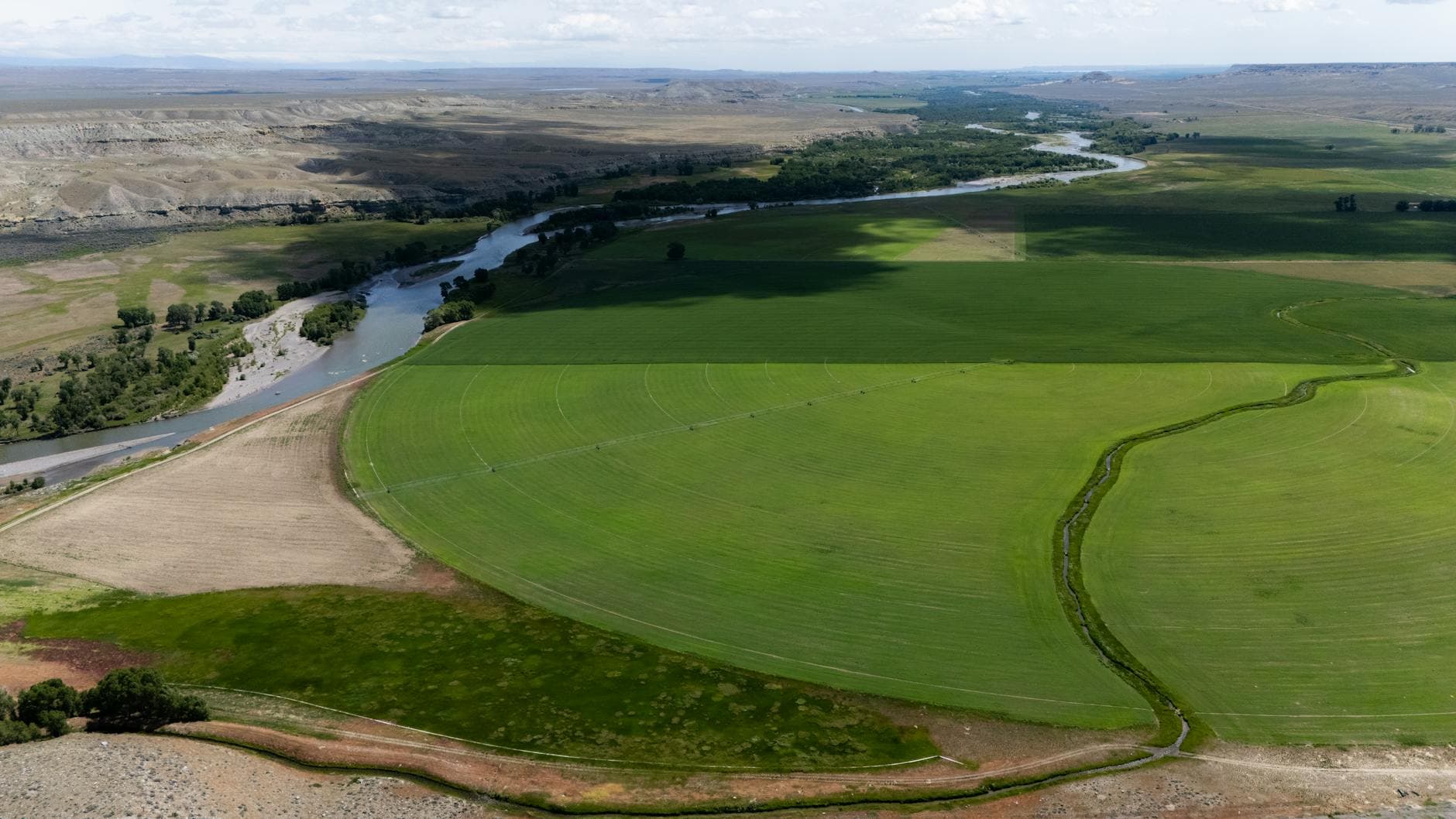
The mismatch is even clearer when compared with the state system. On May 15, the California Department of Water Resources increased the State Water Project allocation to 45% of requested supplies, up from 30% in January. DWR said Lake Oroville was at 99% of capacity, statewide reservoirs were 117% of average and statewide snowpack was only 12% of average. The State Water Project also gained an additional 400,000 acre-feet of storage in Lake Oroville from flexible operations and improved runoff.
For Fresno County growers, the headline number is not the whole story. Reservoirs may be holding up, but on the west side the federal allocation still leaves farmers weighing how much land to plant, how much groundwater to chase and how much economic pain they can absorb this season.
Know something we missed? Have a correction or additional information?
Submit a Tip