Westlands groundwater recharge lifts land in southern Fresno County
A strip of land between Cantua Creek and Huron rose at least 1.2 inches in a year as Westlands recharged about 465,000 acre-feet. The rebound could ease damage to canals, roads and wells.
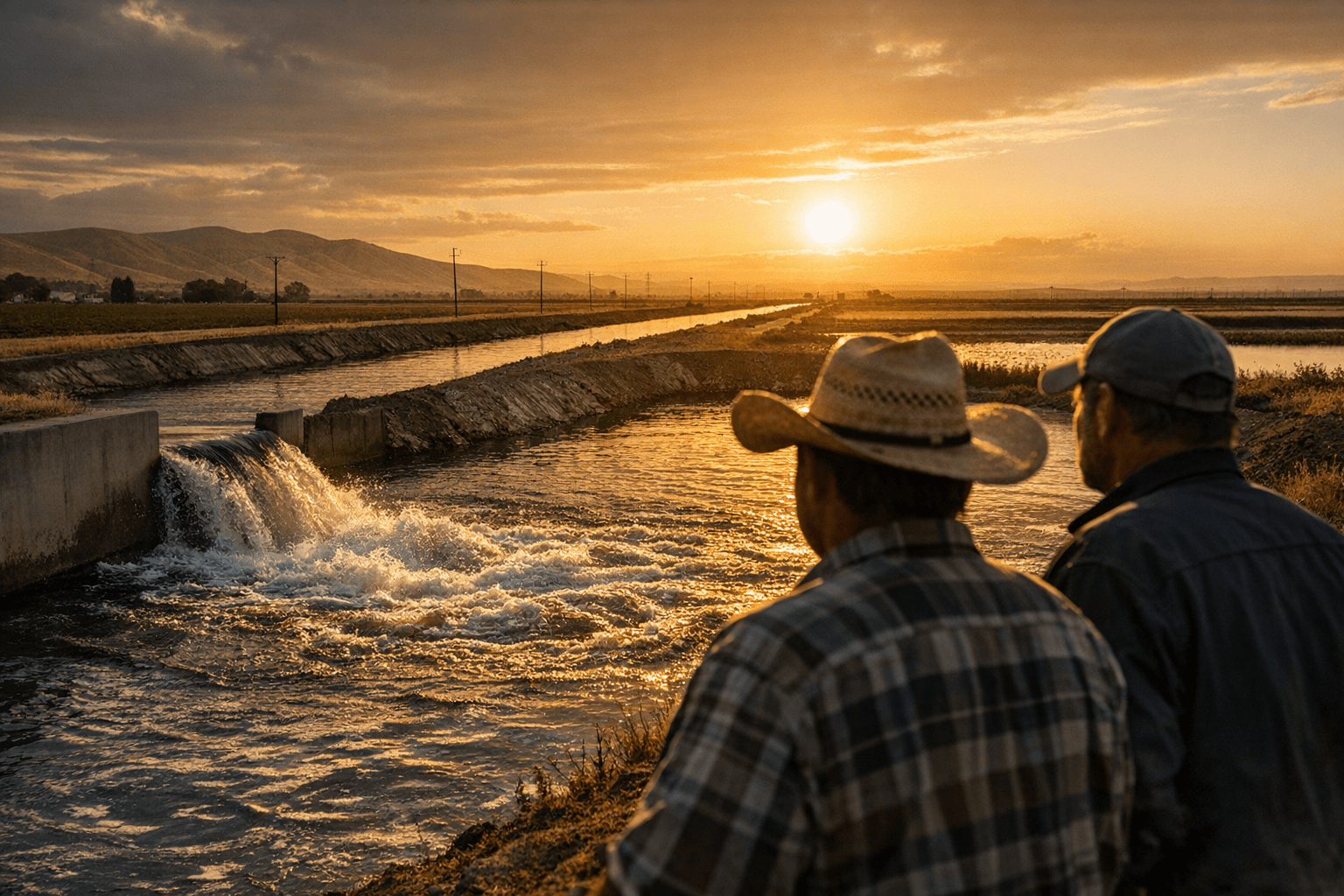
Ground between Cantua Creek and Huron has started to lift again, a rare reversal in a part of southern Fresno County long associated with sinking land. Westlands Water District said the rise reflected a serious recharge push under its groundwater plan, with a district map showing at least 1.2 inches of uplift from January 2025 to January 2026.
That shift matters far beyond a contour line on a map. In the Westlands area, subsidence has threatened canals, roads, farm infrastructure and the reliability of the wells that keep thousands of acres in production. Westlands said it had put nearly 500,000 acre-feet of water back into aquifers, about 465,000 acre-feet, and that the added water produced measurable uplift in and around the Cantua Creek-to-Huron corridor.
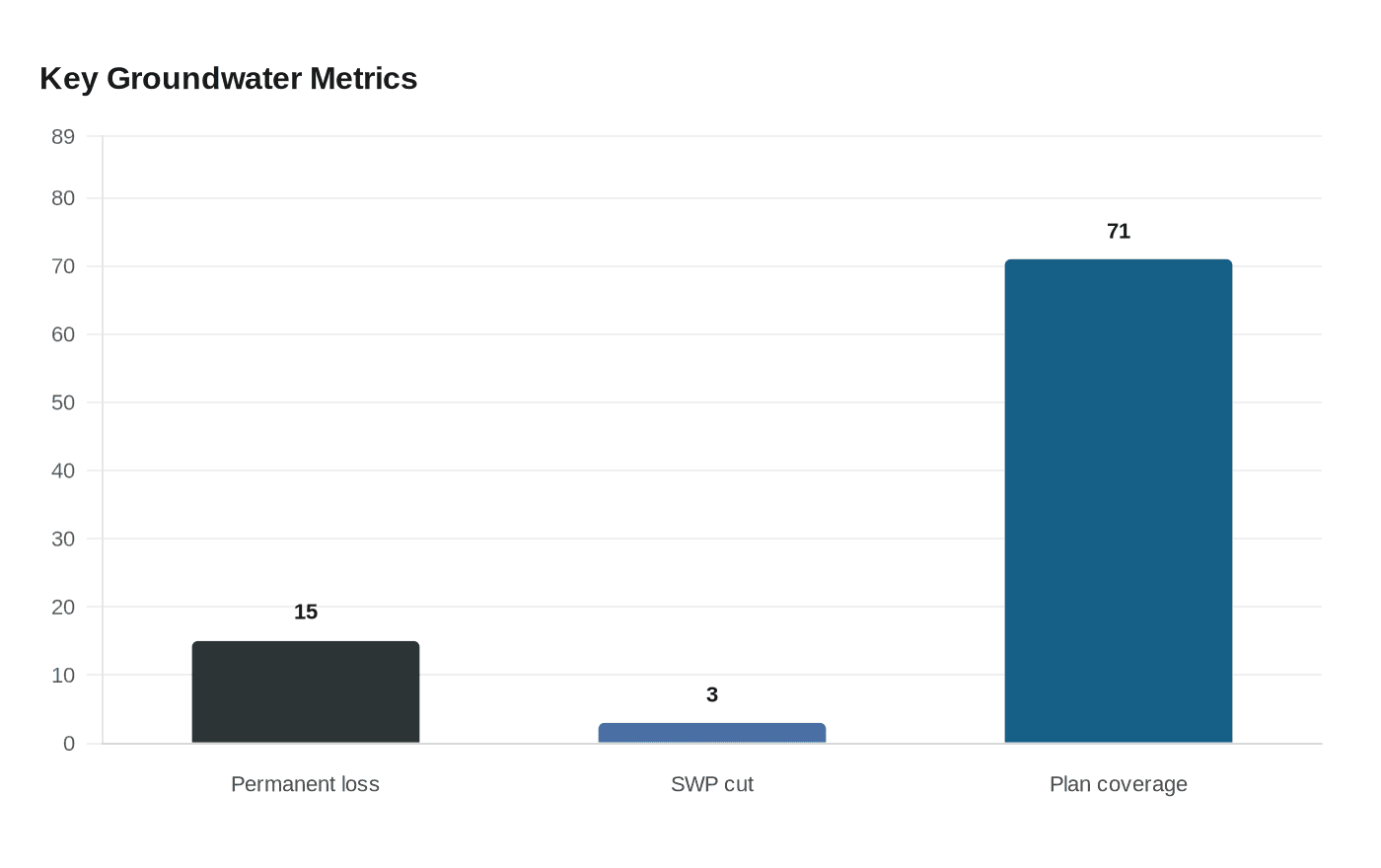
The rebound is especially notable because the Central Valley has spent decades losing groundwater storage and watching the land compact under intense pumping. The U.S. Geological Survey estimates the valley lost about 158 cubic kilometers of groundwater storage from pre-development through 2019, with about 15% of that loss effectively permanent because subsidence compressed the aquifer system. A state report last year said subsidence had already cut the annual delivery capability of the State Water Project by 3%.
Westlands pointed to its Westside Subbasin groundwater sustainability plan as the reason the land is moving in the other direction. The district said the plan includes strict pumping limits, comprehensive groundwater monitoring, metering and recharge efforts, including projects along Arroyo Pasajero Creek, Panoche Creek and Cantua Creek designed to capture high flows and send them underground instead of out to sea.
The comeback also comes with a warning. On February 23, 2026, the Westlands Water District board unanimously adopted a formal subsidence policy, saying subsidence remained a serious threat to water reliability and critical infrastructure. The district said it had already reached its Sustainable Groundwater Management Act sustainability goals years ahead of the deadline, but emphasized that continued collaboration and public investment would be needed to keep the gains from slipping away.
SGMA requires local groundwater sustainability agencies in high- and medium-priority basins to develop and implement groundwater sustainability plans, and the Department of Water Resources says 81 basins are now operating under approved plans that account for 71% of statewide groundwater use in Water Year 2024. In Fresno County, two groundwater plans were among the rare San Joaquin Valley plans to win state approval in 2023 after revisions addressing subsidence and domestic-well concerns. A 2024 protection program in southern Fresno and northern Kings counties, funded by land assessments on growers, was also launched to help keep household wells from running dry.
This article was produced by Prism’s automated news system from verified source data, official records, and press releases, then run through automated quality and moderation checks before publishing. The system is built and supervised by the people who set the standards it runs under. Read our full AI policy.
Did this article answer your question?


