Chickahominy Health District issues cold-weather health advisory for Goochland residents
Chickahominy Health District urges Goochland residents to protect themselves from extremely cold weather; guidance stresses checking on older adults and infants, preparing for outages and avoiding prolonged outdoor exposure.
The Chickahominy Health District has urged residents of Charles City, Goochland, Hanover and New Kent to take precautions as extremely cold conditions persist, posting a county news flash that said, verbatim, "As the counties of Charles City, Goochland, Hanover, and New Kent continue to experience extremely cold weather, the Chickahominy Health District encourages everyone to protect themselves against serious health problems that can result from pro"
Local and federal guidance emphasizes specific risks for people who are most vulnerable. The Centers for Disease Control and Prevention notes that "Older adults often make less body heat because of a slower metabolism and less physical activity. Check on older friends and neighbors often to make sure their homes are heated properly." The CDC also advises that "If you are over 65 years of age, check the temperature in your home often during extremely cold weather."
Infants and very young children are singled out for extra caution. The CDC warns, "Infants less than one year old should never sleep in a cold room because they lose body heat more easily than adults." The guidance calls on households to "make sure babies and older adults stay warm" and to follow specific infant-safety tips issued for extreme cold.
Cold weather can also damage infrastructure that matters to Goochland households. The CDC cautions, "Extreme cold can cause water pipes in your home to freeze and sometimes rupture or break. When you are expecting very cold or freezing temperatures:" and urges residents to "Keep a water supply." The local news flash and federal guidance together underscore the need to prepare for power outages and heating failures; the CDC advises to "Have at least one of the following heat sources in case the power goes out:" and to "Use generators and other appliances safely."
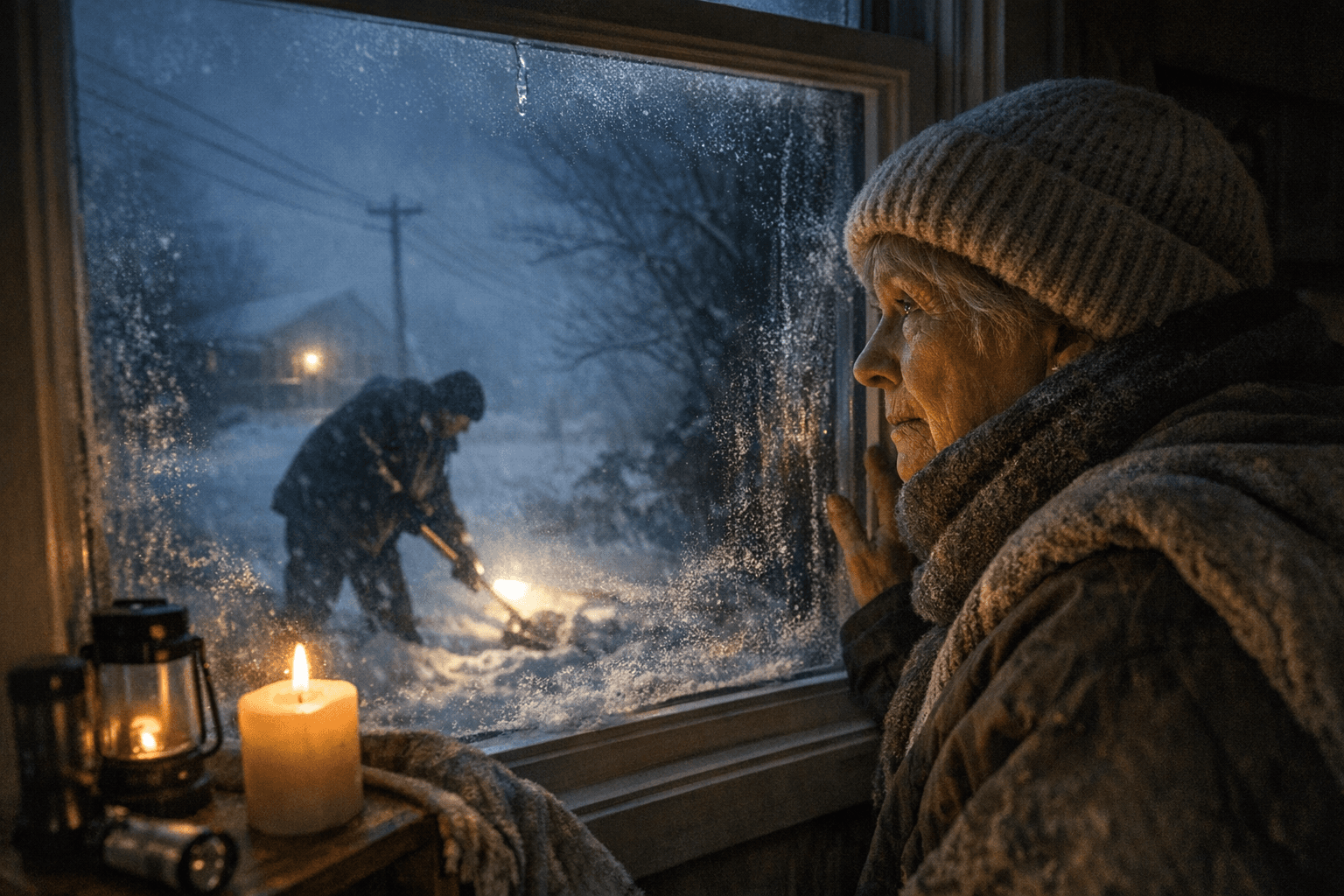
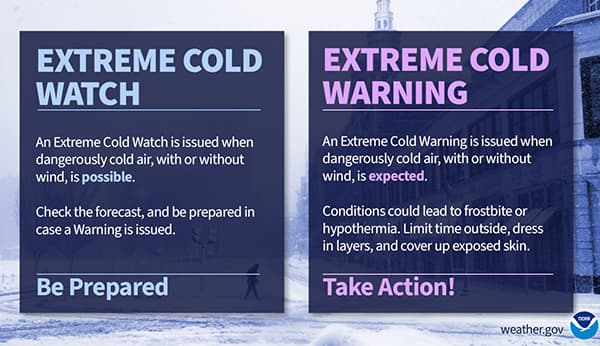
Outdoor safety and travel preparedness are central to the warnings. The CDC tells residents to "Try to stay indoors during extremely cold weather. Make any trips outside as brief as possible, and remember these tips below to protect your health and safety." Weather advisory definitions provided to accompany the public-health guidance spell out action levels: "Extreme Cold Watch: Be Prepared. An Extreme Cold Watch is issued when extremely dangerous cold conditions or wind chill values are possible, but the occurrence, location, and/or timing is still uncertain.. As with a Warning, adjust your plans to avoid being outside during the coldest parts of the day. Make sure your car has at least half a tank of gas, and update your winter survival kit." A "Cold Weather Advisory" notifies people to "Be Aware" and dress appropriately, while an "Extreme Cold Warning" tells residents to "Take Action!An Extreme Cold Warning is issued when extremely dangerous cold conditions or wind chill values are expected or occurring. If you are in an area with an Extreme Cold Warning, avoid going outside." Freeze and frost notices explain risks to pipes, plants and crops, including that a "Freeze Warning" is issued when temperatures are forecasted to go below 32°F for a long period of time and that temperatures below 28°F for an extended period can kill most types of commercial crops and residential plants.
Clinics and primary-care guidance add recommendations for physical and mental well-being during short winter days. Westside Family Medicine highlights that adults should aim for "at least 150 minutes of moderate-intensity exercise per week (CDC, 2023)," notes that "Seasonal Affective Disorder (SAD), a type of depression affecting around 5% of U.S. adults (National Institute of Mental Health, 2023)," and suggests light-therapy lamps at "10,000 lux for 20–30 minutes daily." The clinic also echoes hydration and comfort advice: people should drink warm beverages and consider broth-based soups, while the Mayo Clinic suggests "at least eight 8-ounce glasses of water per day."
For Goochland neighborhoods, the combined message is practical and immediate: check on older neighbors and family members, keep infants and people over 65 warm, limit time outdoors during the coldest hours, prepare for possible frozen pipes and power loss, and make sure vehicles and emergency kits are ready. The health district's notice and federal guidance aim to reduce preventable cold-related illness and the unequal risks facing elders, infants and households without reliable heating. Residents should monitor local advisories and weather notices and follow safety steps from public-health officials as cold weather continues.
This article was produced by Prism’s automated news system from verified source data, official records, and press releases, then run through automated quality and moderation checks before publishing. The system is built and supervised by the people who set the standards it runs under. Read our full AI policy.
Did this article answer your question?