Goochland honors dispatchers as vital lifeline for public safety
Goochland County marked dispatchers as the first link in emergency response as national observance week overlapped with new alert and fire-rescue upgrades.

Before a sheriff’s cruiser reaches a roadside crash or an ambulance heads down a rural lane, a Goochland County dispatcher has already started turning a frightened call into a response plan. County government and the Goochland County Sheriff’s Office used National Public Safety Telecommunicators Week to spotlight the people who answer first and coordinate what happens next.
The observance ran April 12-18 in 2026, the second week of April, as it does every year. The National 911 Program says the week recognizes 911 telecommunicators for their daily, life-saving work and their 24/7 public safety role. APCO International also says the week is held the second week of April every year, a reminder that the first public safety voice many residents hear is often the one that keeps calm while help is still on the way.
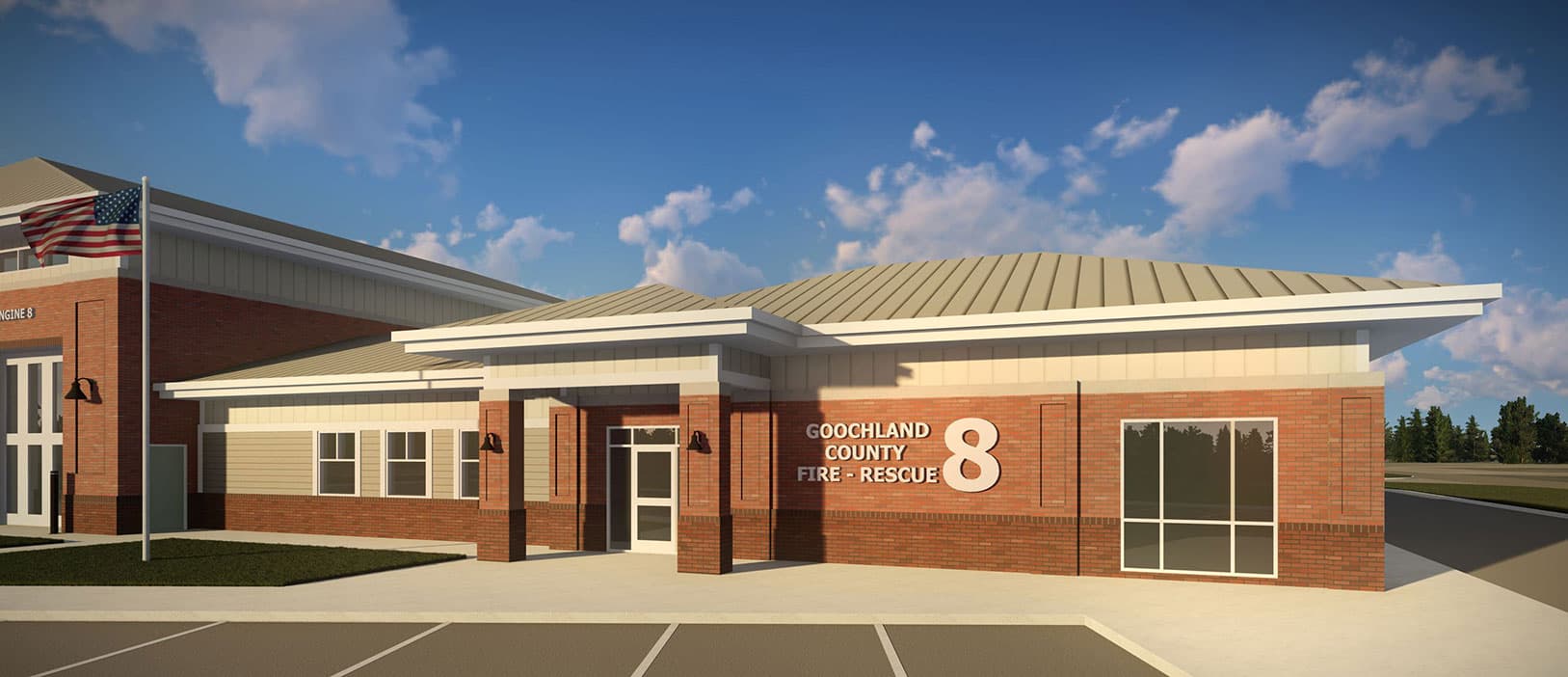
In Goochland, that recognition came during a stretch of public safety changes that extend beyond the dispatch center. The county announced a new emergency alert system on February 12, 2026, adding another layer to how officials warn residents during severe weather, dangerous road conditions or other urgent events. Just days earlier, on April 7, the county broke ground on Fire-Rescue Station 8 in Sandy Hook, a major milestone the county said marked the first new fire-rescue district added in more than 60 years.
Taken together, the changes show how dispatchers sit at the center of a larger emergency network that includes Fire-Rescue & Emergency Services, the Sheriff’s Office and Emergency Management. A call may begin with a resident reporting smoke, an injury or a traffic emergency, but the dispatcher is the one who connects that information to the right crews, the right location and the right level of urgency.
For a county where response time can shape outcomes, dispatchers remain the invisible first responders. Their work is not visible at the scene, but it is often the step that makes every other step possible, from the first radio call to the arrival of deputies, firefighters or EMS.
This article was produced by Prism’s automated news system from verified source data, official records, and press releases, then run through automated quality and moderation checks before publishing. The system is built and supervised by the people who set the standards it runs under. Read our full AI policy.
Did this article answer your question?