Goochland promotes farms, markets, and ag-based business growth
Goochland is turning farms, markets, grants, and training into a working local economy, with visitor traffic and farm income tied together.
Goochland builds its rural economy around farms, not just fields
Goochland is treating agriculture as an engine for income, visitors, and small-business growth. The county’s ACRES initiative is built to connect, promote, and encourage rural economic development, and its practical effect is easy to see in markets, grant help, business training, and the effort to draw more weekend traffic to local producers.
ACRES is the county’s farm-economy playbook
ACRES stands for Accessibility, Connectivity, Readiness, Education, and Sustainability, and that name captures how Goochland is trying to make agriculture work as a modern business sector. The county is not simply preserving open land for its own sake. It is building the systems that help farms sell more, learn more, and reach more customers.
That approach matters in a county with deep agricultural roots. Goochland says it was founded in 1727 and developed as a frontier area with large plantations, country estates, mills, wheat production, and transport links to Richmond. Today, the county’s message is less about nostalgia than utility: farms, markets, food businesses, and craft beverage operations can still anchor local spending if they are given the right support.
The Agricultural Center gives the strategy a physical home
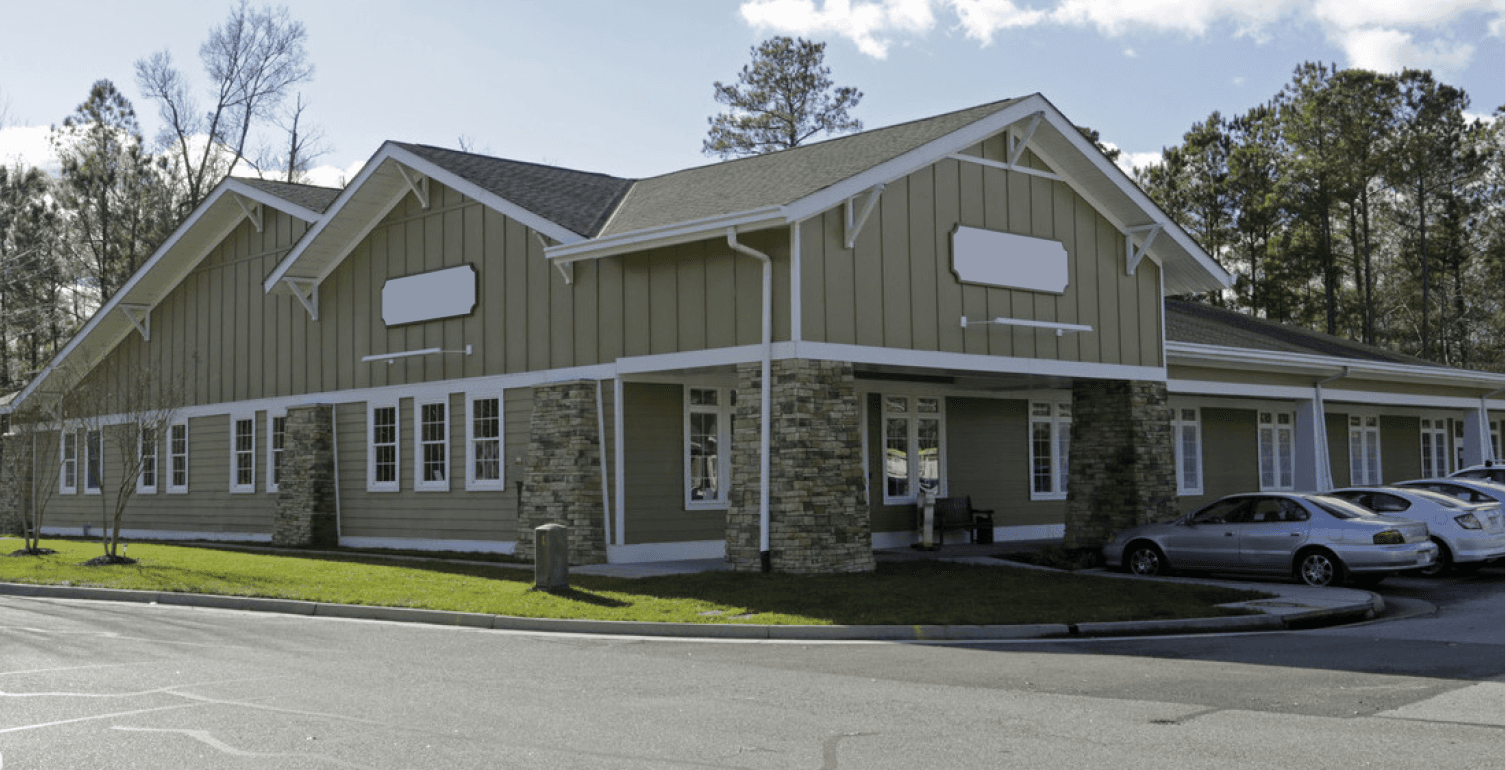
The centerpiece of that effort is the Agricultural Center at Central High Cultural and Educational Complex, which opened in January 2019. The 6,800-square-foot facility includes administrative, meeting, program, lab, kitchen, and demonstration space, so it functions as more than a signpost or branding exercise. It is a working base for the county’s agricultural network.
The center also houses the Goochland County Extension Office and the Monacan Soil and Water Conservation District, which makes it a practical hub for farmers dealing with planning, conservation, and business questions. That combination of offices, meeting space, and demonstration areas gives Goochland a place where education and on-the-ground problem solving can happen in the same building.
The numbers show agriculture is still a serious part of the county
The scale of farming in Goochland is larger than many casual visitors may realize. USDA’s 2022 Census of Agriculture county profile lists 17,020 acres of land in farms, including 9,308 acres of cropland and 12,395 acres of woodland, along with 1,988 acres in other land categories. A Virginia Tech Extension situation analysis reported 355 farms in the county in 2017, up 13% from 2012.
Those figures help explain why the county is investing in support tools instead of relying only on development outside agriculture. Across Virginia, 95% of farms are family-owned and the average farm is 187 acres, which means many operators are small, family-run businesses that depend on practical help with marketing, accounting, and access to grants. Virginia also had 20,378 new and beginning farmers, underscoring how important entry-level business support can be.
Grants, workshops, and tech help are part of the plan
One of the most useful pieces of Goochland’s approach is that it reaches beyond promotion and into business operations. County partners work with the Virginia Department of Agriculture and Consumer Services on matching Agriculture and Forestry Industry Development grants for qualifying projects, a tool that can help growers and ag-related businesses fund expansion or improvement. That kind of support can determine whether a farm adds value-added production, upgrades equipment, or simply stays competitive.
The county also points farmers toward business-plan workshops and meetings and training for agriculturally based businesses. Virginia State University’s mobile computer lab adds another layer by helping farmers with QuickBooks and social media, two tools that matter as much to small producers as tractors and field work. In a rural market, bookkeeping and online visibility can be the difference between a side business and a sustainable one.
Markets are becoming a visitor strategy, not just a shopping stop
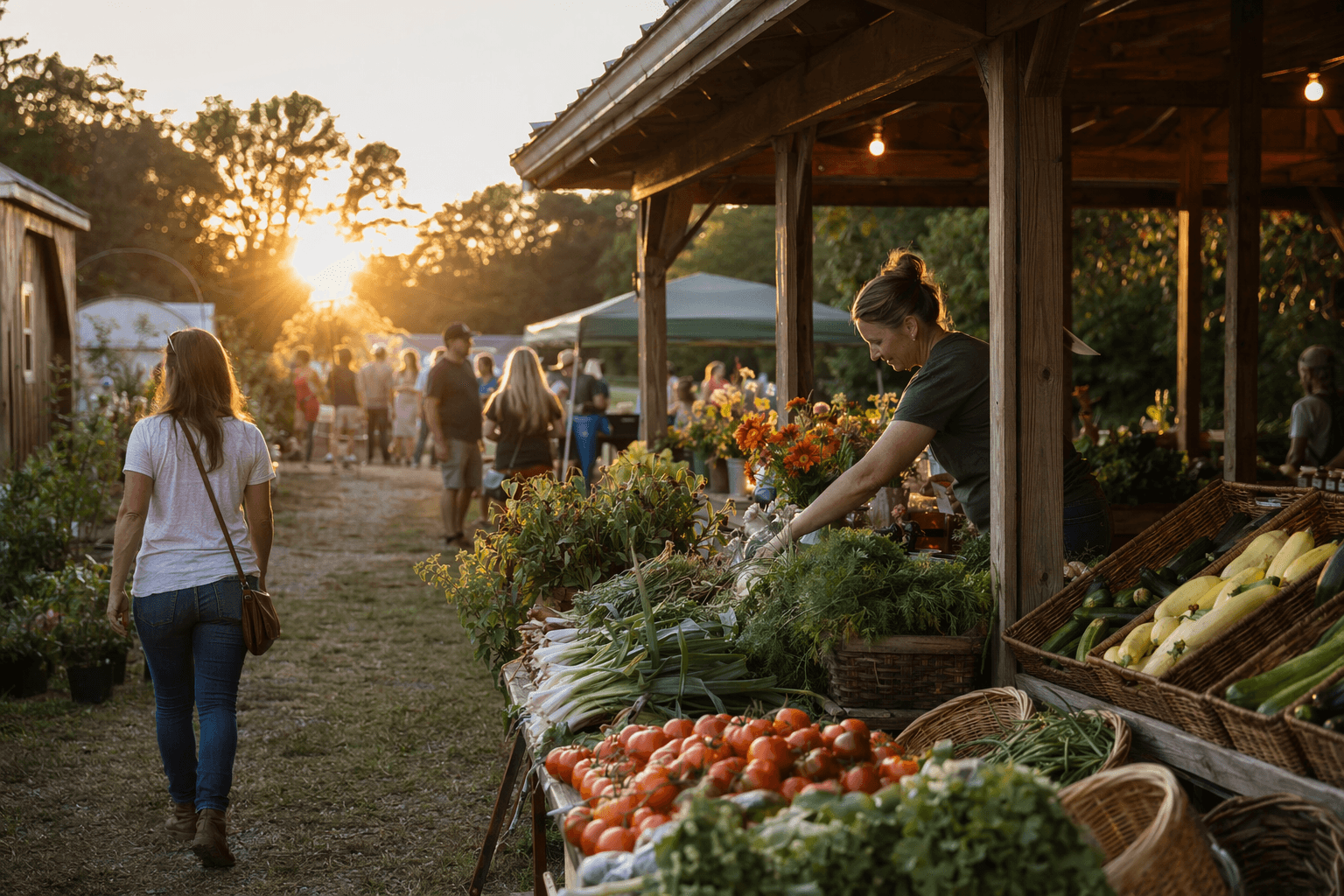
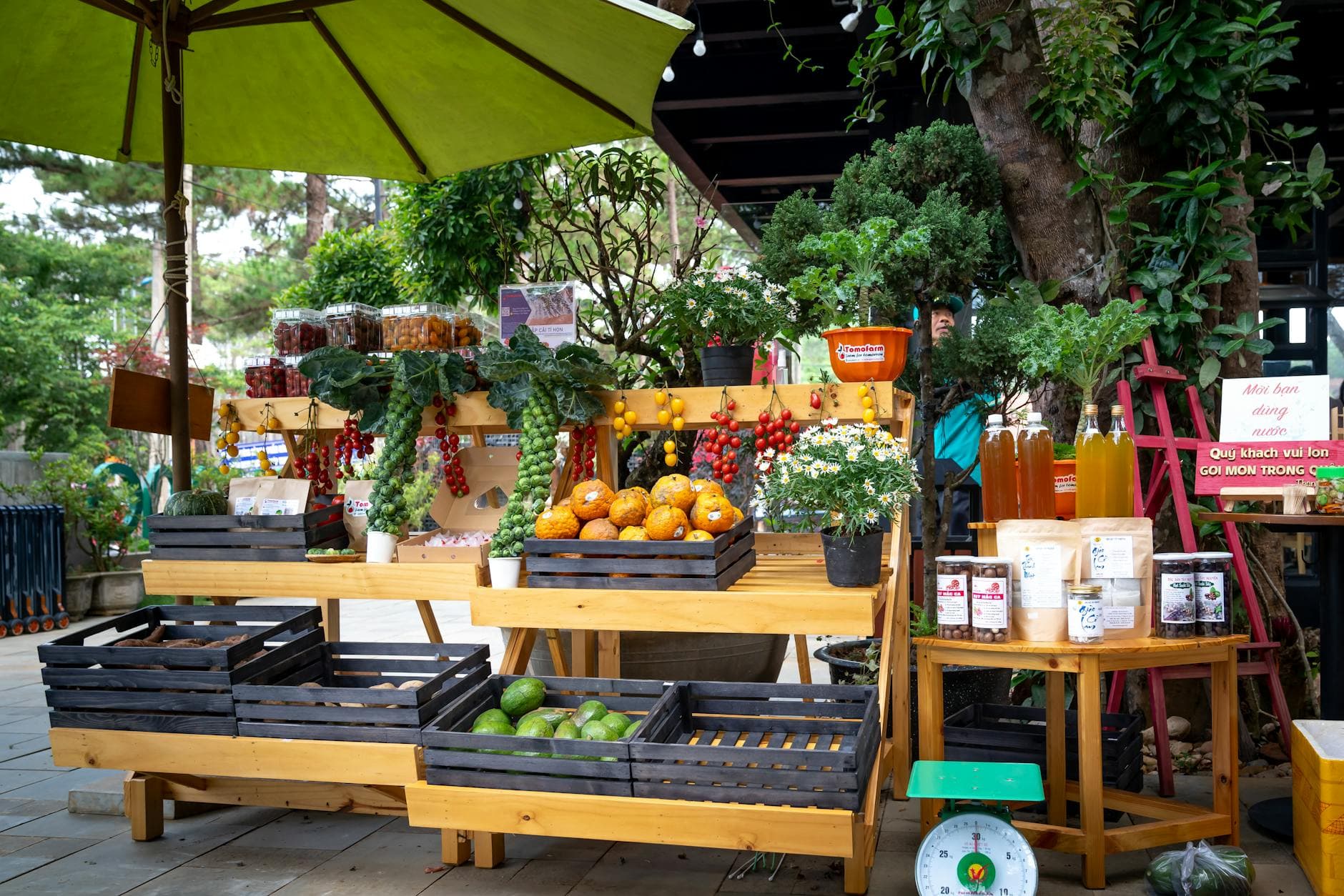
Goochland’s market scene is one of the clearest ways the county turns agriculture into local spending. County materials describe the Goochland Farmers Market as a boutique market with seasonal produce, meats, honey, baked goods, artisan crafts, food trucks, and live music. That mix gives families a reason to stay longer, buy more, and make the market part of a weekend routine rather than a quick errand.
The county has also linked market activity to tourism development. Goochland County Economic Development Authority, Economic Development, and Parks & Recreation are partnering with the Goochland Farmers Market and Manakin Market on a tourism grant to create a Farmers Market Trail map. That is a smart move because it turns separate market stops into a connected route, increasing visibility for vendors and creating more reasons for visitors to move around the county.
County news also says Goochland and Powhatan launched an inaugural farmers market season after county administrators, parks directors, and finance departments discussed the partnership. That kind of inter-county coordination suggests the market is being treated as public-facing infrastructure, not just an event. It expands the customer base for growers and gives shoppers a more predictable local-food option.
Tourism and agriculture now overlap
The county is also placing Goochland within a broader visitor economy. Virginia tourism materials put Goochland on the Richmond West Craft Beverage Trail, and the county describes itself as about 30 minutes from Richmond and Charlottesville. That location gives local farms and food businesses a chance to catch both day-trippers and residents looking for closer-to-home outings.
This is where Goochland’s strategy becomes especially relevant for daily life. A stronger farm economy can mean more local produce, more direct sales for growers, more weekend traffic for nearby businesses, and more programming that gives families an easy, low-cost outing without leaving the county. The county’s market and tourism work is not separate from economic development, it is part of it.
A local growth model with staying power
The most important thing about Goochland’s agricultural push is that it does not depend on a single megaproject or a single corridor. It is a layered strategy built around existing land, existing producers, and existing community spaces. The county is using grants, training, the Agricultural Center, the Farmers Market Trail map, and regional tourism connections to make rural business more visible and more viable.
That matters because the county’s agricultural base is still large enough to support a real local economy. With 355 farms, more than 17,000 acres in farms, and a growing market presence, Goochland is showing how rural development can work when the county invests in the businesses already rooted there.
This article was produced by Prism’s automated news system from verified source data, official records, and press releases, then run through automated quality and moderation checks before publishing. The system is built and supervised by the people who set the standards it runs under. Read our full AI policy.
Did this article answer your question?