Randolph Elementary book fair blends shopping, literacy, and family support
Randolph Elementary’s spring book fair did more than sell books. It gave families a cash-free way to shop, support classroom libraries, and help classmates bring home reading.
A book fair built around access
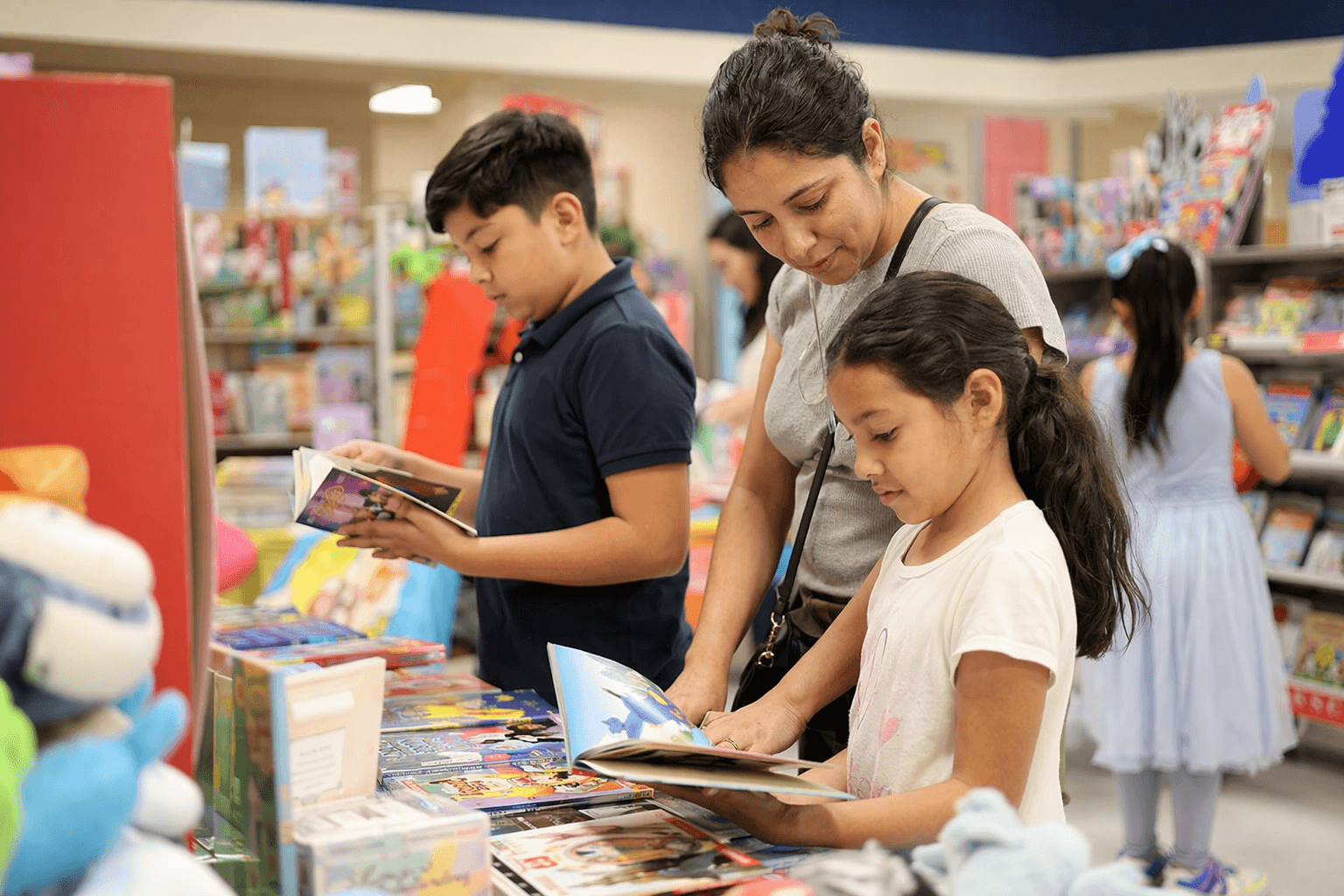
Randolph Elementary turned its spring book fair into a practical literacy event, one that reached beyond the usual checkout table and sales flyer. Students could browse during library Encore time, while families were offered after-school shopping Monday through Thursday until 3:30 p.m., a schedule that makes the fair easier to fit into the rhythms of work, pickup, and home routines. The school also promoted eWallet, a cash-free option that lets children shop more independently and gives parents a simpler way to manage purchases.
That convenience matters because it lowers the small barriers that can keep families out of school events. When a book fair is easy to use, it becomes more than a fundraiser: it becomes a place where reading, routine, and parent involvement overlap. At Randolph, the fair was set up to support both students who wanted to browse on their own and adults who wanted a quick, manageable way to help.
What families actually gained
The clearest takeaway from Randolph’s approach is that the book fair was designed to produce benefits that reach well past the books on the tables. Families were encouraged to donate books to help build classroom libraries, which means a purchase could strengthen a teacher’s room long after the fair ended. The school also promoted Share the Fair, a giving option that allows donors to support students who need help buying books of their own.
That combination makes the event feel less like a retail stop and more like a shared school resource. A parent could leave with a few books, know that another classroom might gain new titles, and help make sure a child with fewer resources was not left out. In a county where schools often serve as gathering places as much as instructional spaces, that kind of structure turns a simple fair into a small but meaningful equity tool.
Randolph also asked for volunteers to help with the 2026 book fair, reinforcing that the event depends on community participation as much as school staff. When families volunteer, donate, or use Share the Fair, they are not just attending an event. They are helping build the reading environment that students return to every day.
Creative Connections gave the fair a wider purpose
Randolph did not frame the book fair as a stand-alone shopping week. The school linked it with Creative Connections, the annual family event scheduled for April 23 from 4:00 p.m. to 6:00 p.m., which brought together student art, performances, and interactive activities. The overlap is important because it shows how the school uses one event to draw families into another, deepening the connection between home and campus.
Creative Connections was set to open with a special RES Chorus performance at 4:00 p.m., then continue with exhibits and family art-making. Slideways Mobile Bistro was scheduled to be on-site from 3:45 p.m. to 6:15 p.m., making it easier for families to stay and take part without having to leave for dinner. Randolph’s live feed made clear that the school was building a fuller evening around shared experiences, not just a quick drop-in event.
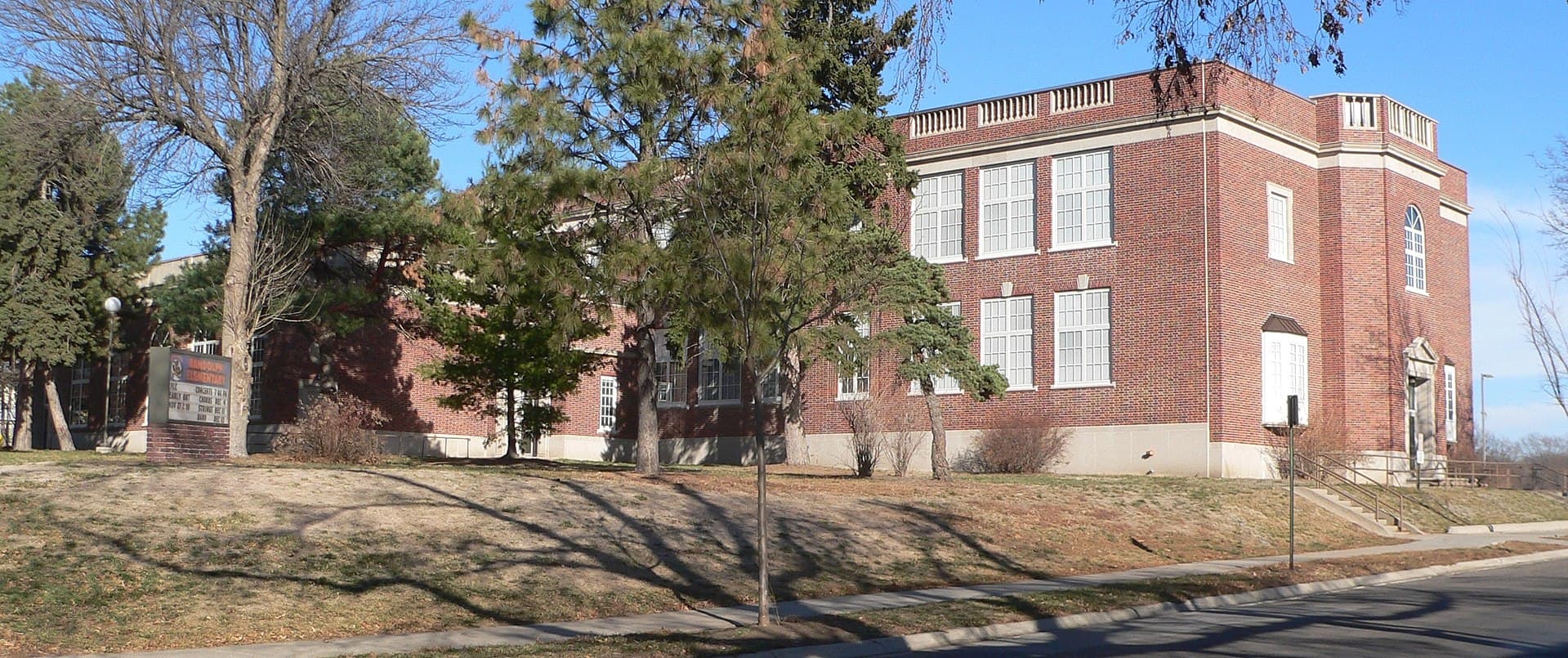
For Goochland families, that matters because it shows how elementary schools can create low-pressure entry points for engagement. A parent does not need to sign up for a committee or commit to a long meeting to take part. At Randolph, one visit can mean buying books, seeing student work, hearing the chorus, and supporting the classroom in a single stop.
A familiar model with longer roots
The 2026 fair fit a pattern Randolph has used before. In 2022, the school ran its spring book fair from April 25 through April 29 in school and kept an online version open through May 8, showing that the event has long been designed to stretch beyond one school day. That earlier fair also described eWallet as a safe, cashless way to shop, the same practical approach the school highlighted again in 2026.
The 2022 materials also encouraged teachers’ classroom wish lists and book donations, another sign that Randolph has consistently tied the fair to classroom support rather than treating it as a purely commercial event. That continuity matters because it shows families a clear pattern: what they buy, donate, or support at the fair can directly shape the reading materials children encounter in class. Over time, that kind of consistency builds trust, which is often what keeps families coming back.
Randolph’s spring schedule, with the book fair set for April 20 through April 24 and Creative Connections on April 23, created a concentrated week of family engagement. The calendar and live feed worked together to make the message plain: reading support, the arts, and family participation all belong to the same school culture.
Why this model is worth copying
What stands out at Randolph is not the scale of the event but the way the school used a familiar fundraiser to solve several problems at once. It made shopping easier with eWallet, widened access through Share the Fair, strengthened classroom libraries through donations, and pulled families into the building for Creative Connections and the RES Chorus. That is a small set of actions with a large community effect.
For Goochland County, the lesson heading into summer is straightforward: schools do not always need a major program to build reading habits and parent trust. Sometimes a well-run book fair, paired with family art, music, and a little logistical help, is enough to turn a routine event into a stronger home-school connection. Randolph showed how to do that with a practical, inclusive model that supports both literacy and the people behind it.
This article was produced by Prism’s automated news system from verified source data, official records, and press releases, then run through automated quality and moderation checks before publishing. The system is built and supervised by the people who set the standards it runs under. Read our full AI policy.
Did this article answer your question?