Updated Valley Link route options keep Goochland in transmission line fight
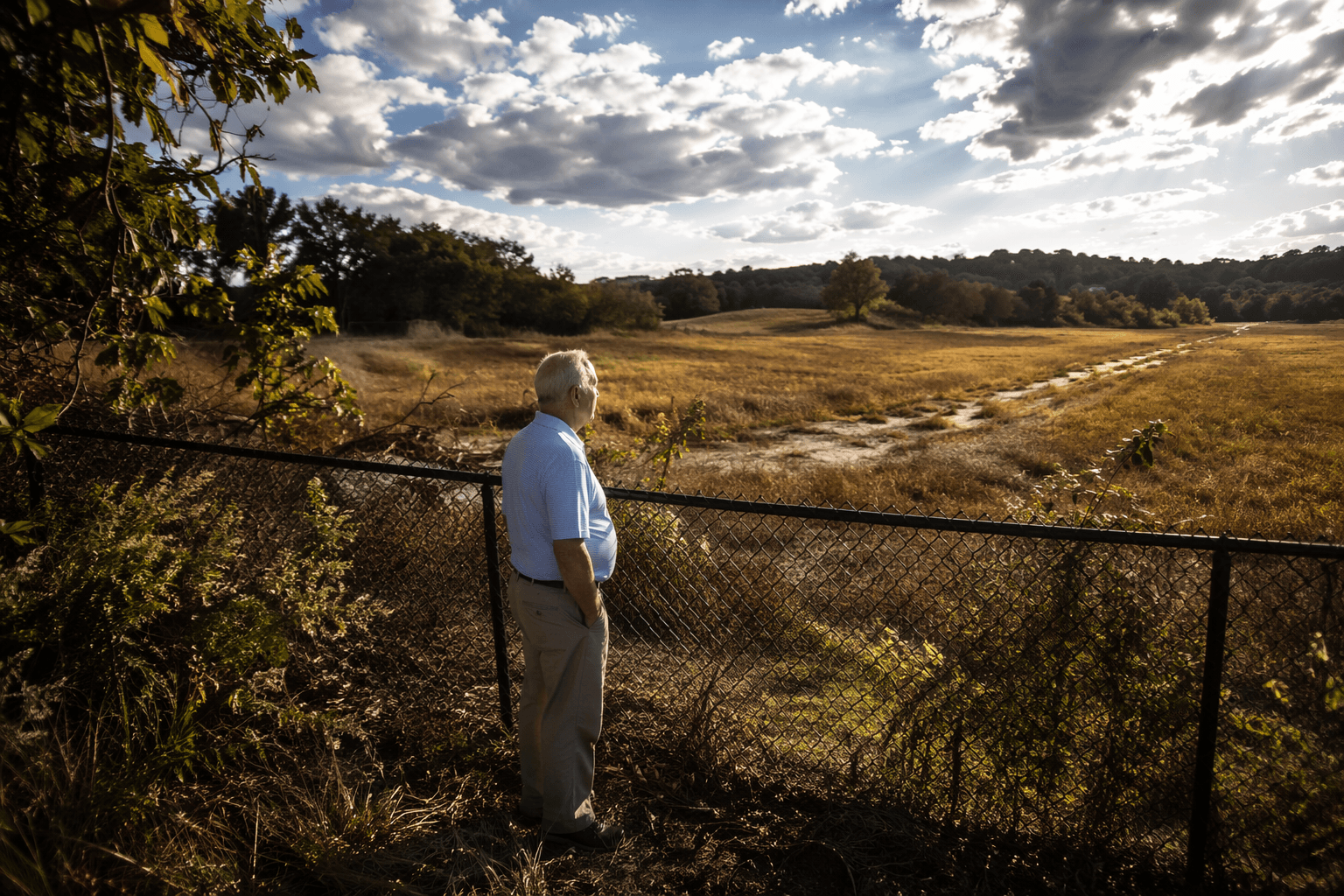
Goochland’s direct exposure to Valley Link has shrunk from about 28 miles to roughly 1.3 miles, but the county is still in the path of the 765-kV line.
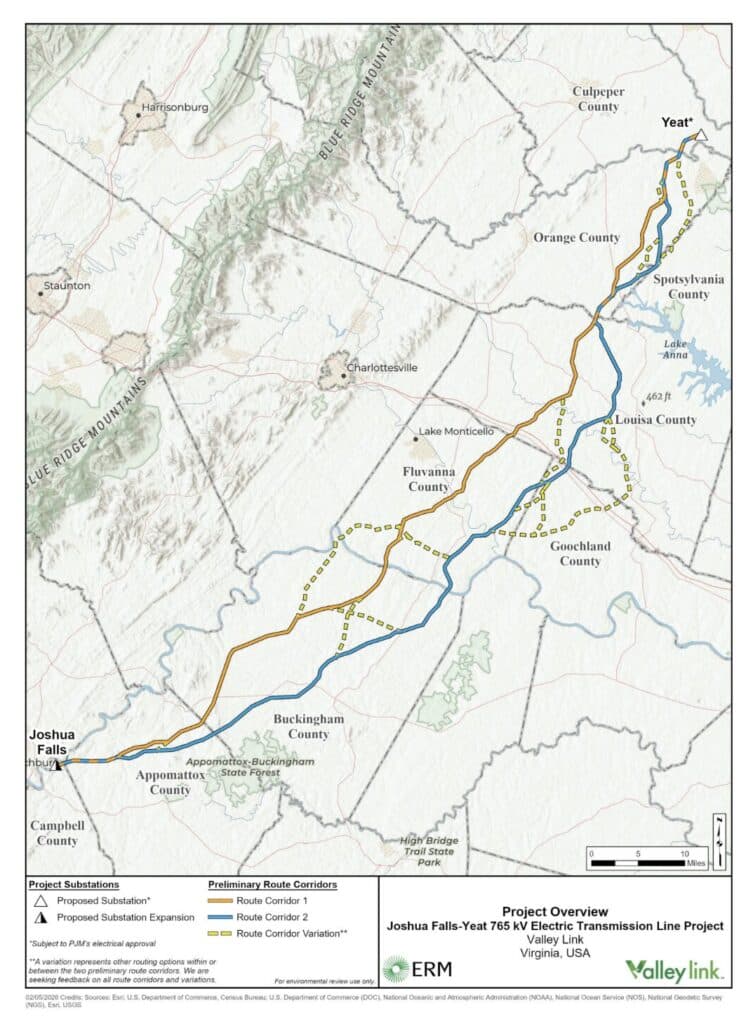
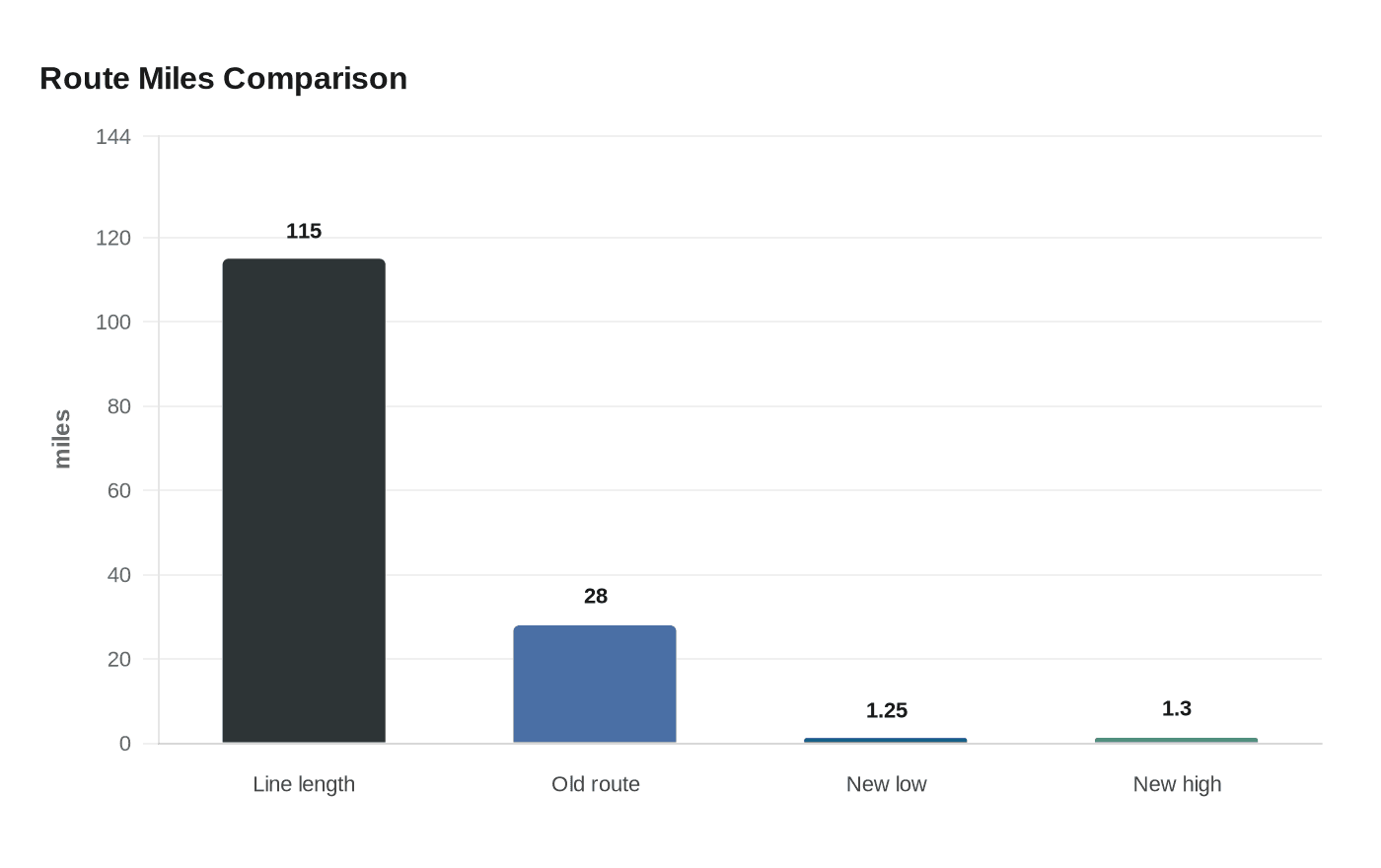
Valley Link’s three new route options sharply reduce Goochland County’s direct exposure, cutting the county’s footprint from about 28 miles to roughly 1.25 to 1.3 miles. That still leaves Goochland in the fight over the 115-mile, 765-kilovolt Joshua Falls-Yeat transmission line, but the latest maps suggest fewer homes, farms and long rural stretches would sit directly in the corridor than under earlier versions.
The project runs from the Joshua Falls substation in Campbell County to a new Yeat substation planned for Culpeper County, with some materials placing the substation in Richardsville. Valley Link, the joint venture of Dominion Energy, FirstEnergy Transmission and Transource, says the line is meant to strengthen Virginia’s grid and meet fast-rising electricity demand, including load tied to data centers. PJM approved the project earlier in 2026 as part of long-range transmission planning, and company materials still point to a 2029 in-service target.
Even with the new route options, the scale of the project remains hard to miss. Valley Link says the line would need a 200-foot right of way and towers that could reach about 160 feet, which is why property owners and preservation groups have focused so heavily on viewsheds, farmland and historic landscapes. The company says it heard from thousands of residents before releasing the revised options, after more than 4,100 landowners, business owners, community members and local officials attended 10 open-house events in March.
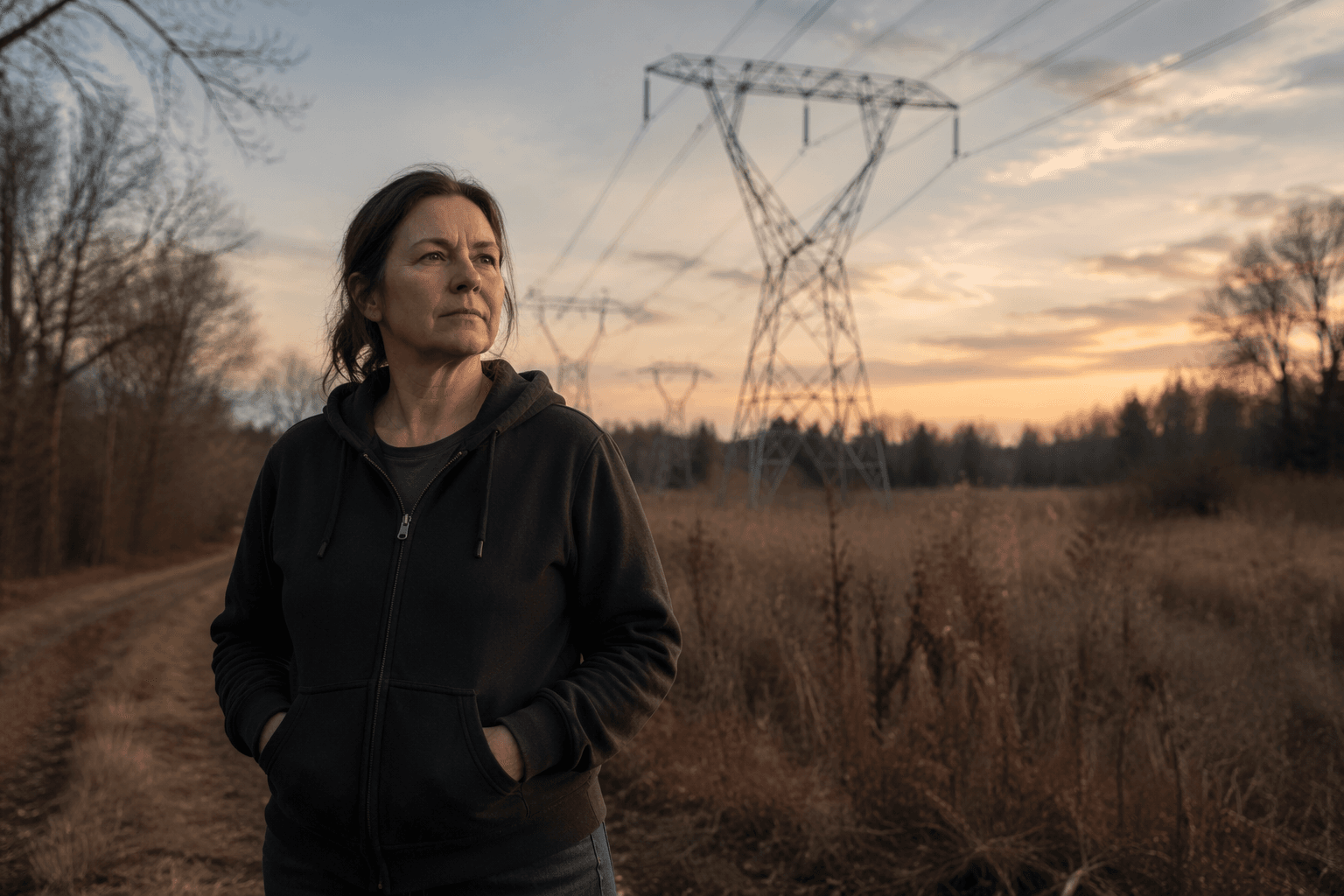
For Goochland, the new maps matter because the county’s rural character is part of what made the earlier route so controversial. A shorter footprint does not end the local impact, but it does change the scale of what is at stake. The latest alignment appears to pull the line away from some areas while still leaving other corridors, nearby roads and open views in play, which means the next round of debate is likely to focus on exactly where the line crosses and how much buffer remains for nearby properties.
Political resistance has already hardened. On May 1, Goochland joined Culpeper, Fluvanna, Louisa and Orange in a joint motion to intervene and protest the project in FERC Docket No. ER26-1563-001. Goochland has also set aside $250,000 from its unassigned general fund to oppose Valley Link, while Culpeper supervisors voted 6-1 on April 7 to formally oppose the line and the proposed Yeat substation. Louisa and Orange have also adopted opposition resolutions.
The pressure is now broader than one county line. Preservation Virginia added the nine-county corridor to its 2026 Most Endangered Historic Places list on May 19, saying 11 historic districts and several battlefield sites could be affected. That designation gives the fight added weight as Valley Link heads toward more state and federal review later in 2026, with Goochland still caught between a smaller footprint and a very large transmission project.
This article was produced by Prism’s automated news system from verified source data, official records, and press releases, then run through automated quality and moderation checks before publishing. The system is built and supervised by the people who set the standards it runs under. Read our full AI policy.
Know something we missed? Have a correction or additional information?
Submit a Tip