Brownfield authority weighs aid for new Grand Traverse County housing complex
County brownfield aid could help turn obsolete land into new housing, with state reviews already filed for LIV AE East Bay and the Boardman Building.
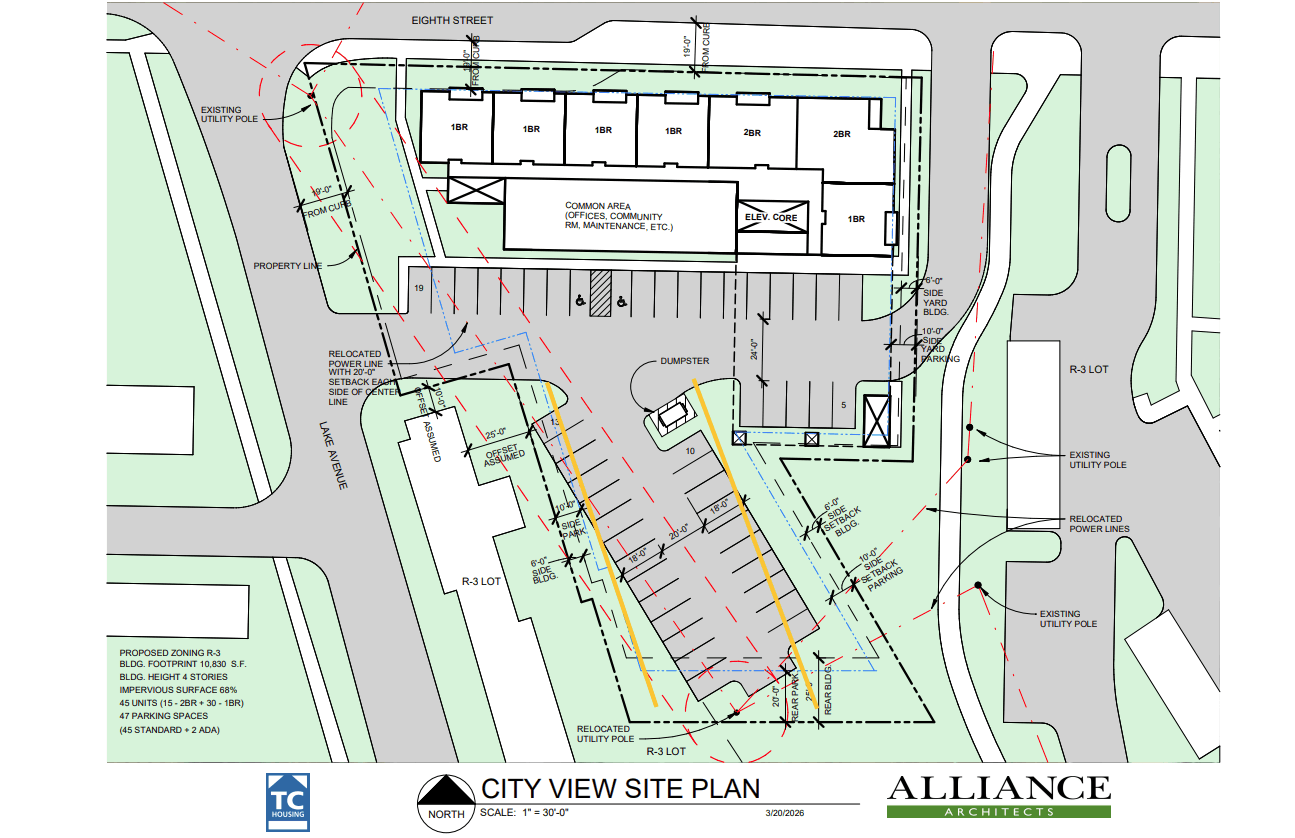
Grand Traverse County’s Brownfield Redevelopment Authority was looking at a financing tool that can help turn contaminated, blighted or functionally obsolete property into housing, with the county’s 2025 fee schedule setting a $2,500 application fee and a processing fee tied to projected tax-increment reimbursement. That matters because the authority’s involvement can make a project on hard-to-develop land financially workable before the first apartment is built.
The state housing agency has already reviewed brownfield housing work tied to two local projects. On May 13, 2025, the Michigan State Housing Development Authority reviewed a brownfield work plan for LIV AE East Bay under MSHDA Assigned Housing TIF Program No. HTIF-25-020. On May 20, 2025, the agency reviewed housing activities for Boardman Building Redevelopment under HTIF-25-021. Those filings show that brownfield financing is not hypothetical in Grand Traverse County; it is already being used to structure housing projects.
Grand Traverse County’s Brownfield Redevelopment Authority says its mission is to promote and facilitate the reuse and redevelopment of environmentally contaminated, blighted and functionally obsolete properties. County redevelopment materials lay out the process in stages, including background review, development process, project application, application review, project plan development and plan approval. In practical terms, that is the machinery that can help cover cleanup, demolition or infrastructure costs that often block housing on underused sites.
The county’s fee schedule, effective Feb. 27, 2025, shows how the public side of that process is priced. Developers pay a $2,500 application fee, plus a processing fee equal to 1% of projected TIF reimbursement to the developer, with a minimum of $3,000 per project and a maximum of $15,000. For taxpayers, that structure is meant to keep the review process moving while limiting the county’s administrative exposure as it weighs whether a project deserves help.
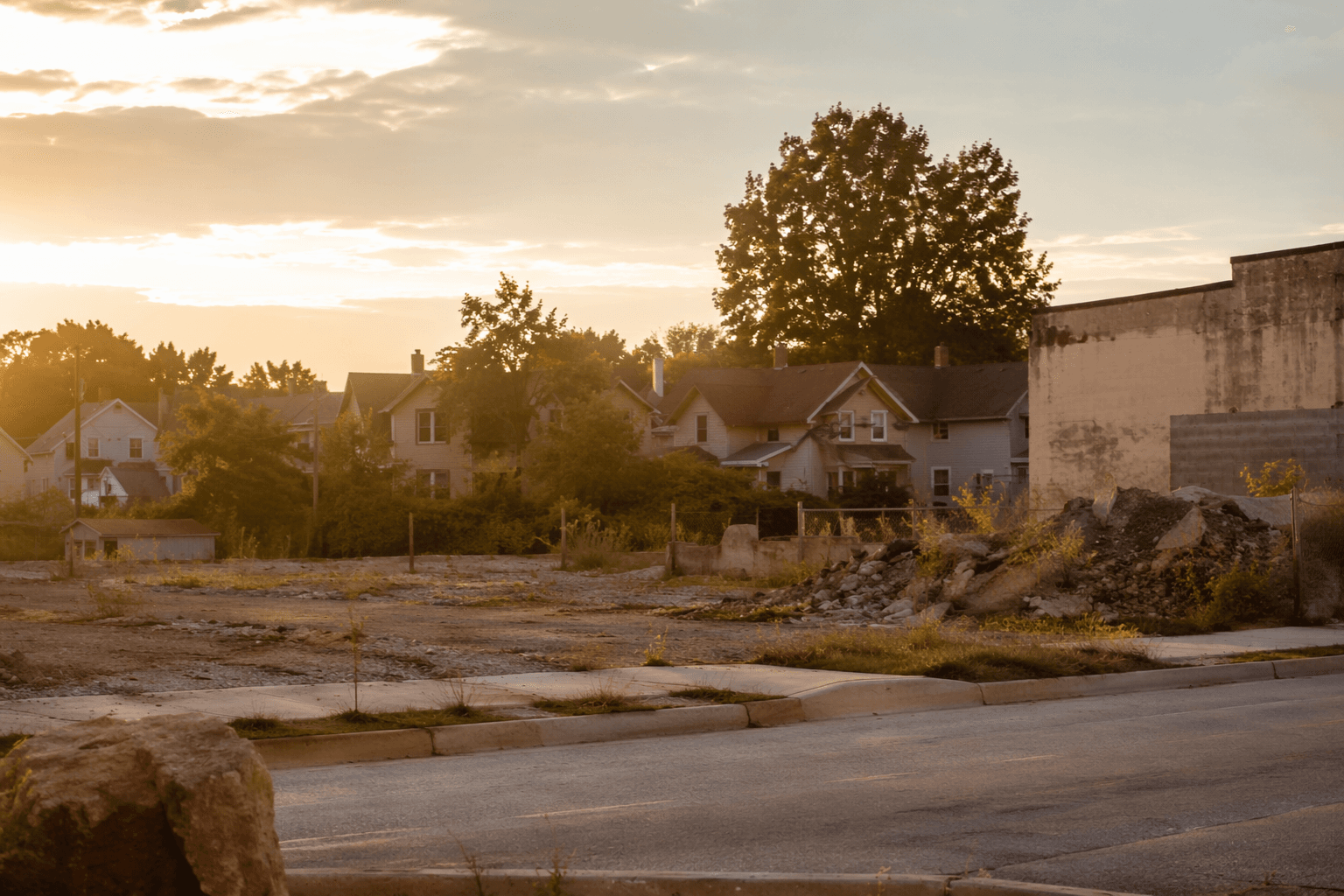
Brownfield-backed housing is already part of the local development map. County records list Krimson-Central Park Apartments at 2633 N Three Mile Rd as a housing property involving Housing Tax Increment Financing. That is the kind of parcel where residents would see the change on the ground: more homes, more density and a redevelopment site that has to be brought up to standard before it can be occupied.
The policy debate around housing in East Bay is not new. A 2015 Grand Traverse County Joint Housing Task Force report included Grand Traverse County, the City of Traverse City, Garfield Charter Township, East Bay Charter Township and the Traverse City Housing Commission, and notes from that year said East Bay Township was looking at changing its growth boundary area and increasing density within it. The county’s current brownfield work shows that those long-running housing choices are still shaping where new development can happen.
This article was produced by Prism’s automated news system from verified source data, official records, and press releases, then run through automated quality and moderation checks before publishing. The system is built and supervised by the people who set the standards it runs under. Read our full AI policy.
Did this article answer your question?