Epstein Files Reveal First Victim Attended Interlochen Camp
The U.S. Department of Justice has released more than 300,000 case files that identify Jeffrey Epstein and Ghislaine Maxwell’s first known victim as a 13 year old camper at Interlochen Arts Academy near Traverse City in the summer of 1994. The disclosure matters locally because it ties national abuse investigations to a community institution, raising questions about youth safety, trauma recovery, and the adequacy of local supports for survivors.
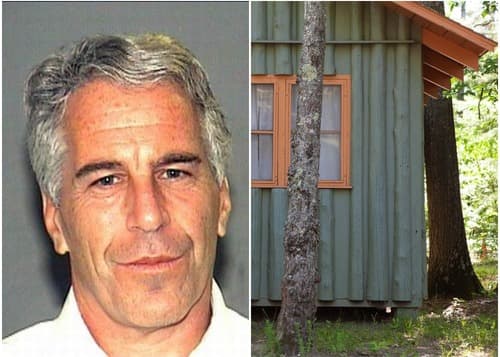
The Justice Department began releasing a large set of court files on December 19, 2025, after months of legal wrangling. The newly public documents identify the first known victim in the Epstein and Maxwell cases as a 13 year old girl from California who attended Interlochen Arts Academy near Traverse City for a summer program in 1994. The files describe Epstein approaching the girl while she sat alone on a bench between classes and detail years of subsequent abuse. When she was 14 the documents state that Epstein took her to Mar a Lago in Florida to meet its owner.
Jeffrey Epstein and Ghislaine Maxwell have both been convicted of sex crimes against children. The release of these files brings national allegations into a local context, prompting concerns among parents, educators, mental health professionals, and nonprofit organizations that serve young people in Grand Traverse County.
Public health implications are immediate. Survivors of childhood sexual abuse face increased risks of long term mental health conditions, substance use, chronic physical illnesses, and socioeconomic harm. Local clinics, school counselors, and community mental health providers may see renewed demand for trauma informed services and long term care. The community must consider whether existing resources are sufficient to meet the needs of survivors who may come forward as a result of the disclosures.

The Interlochen community and other youth serving organizations should review safeguarding practices, training, and reporting procedures. Background checks, staff training, clear reporting pathways, and visible support systems for students can reduce risk and improve early intervention. At the policy level, the files underscore the importance of funding for mental health services in schools and for community based trauma care, as well as equitable access to those services for families with limited means.
For Grand Traverse County residents this is not only a national story. It is a reminder that institutions here must remain vigilant, transparent, and focused on preventing abuse and supporting survivors. Ensuring access to trauma informed care, strengthening mandatory reporting and prevention protocols, and investing in equitable services will be central to the community response as these files continue to emerge.
This article was produced by Prism’s automated news system from verified source data, official records, and press releases, then run through automated quality and moderation checks before publishing. The system is built and supervised by the people who set the standards it runs under. Read our full AI policy.
Did this article answer your question?