Freeze warnings threaten Grand Traverse cherry crops as temperatures hit 21 degrees
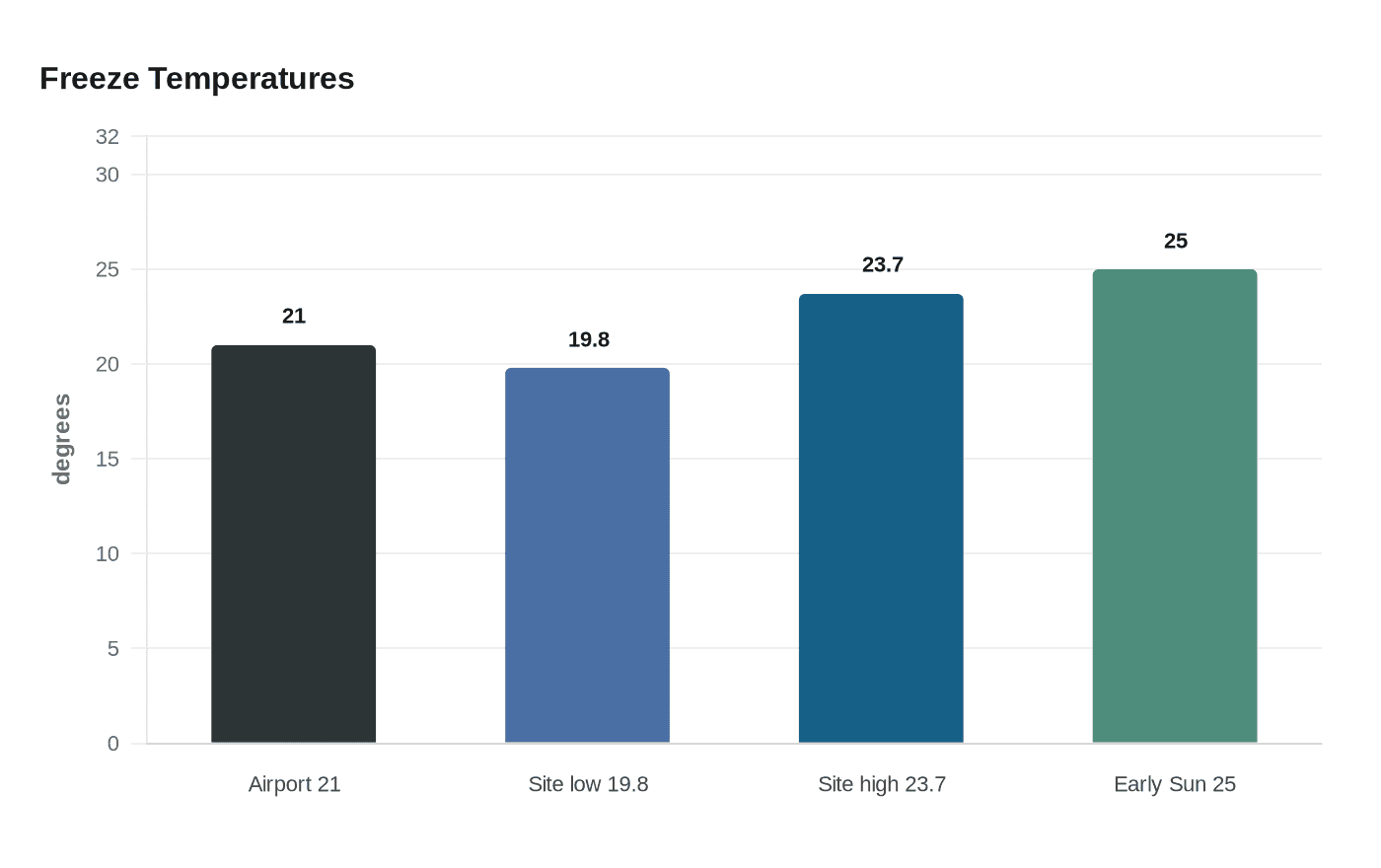
A 21-degree reading at Cherry Capital Airport put Grand Traverse County’s tart cherry crop on alert as spring freeze warnings spread across western Michigan.
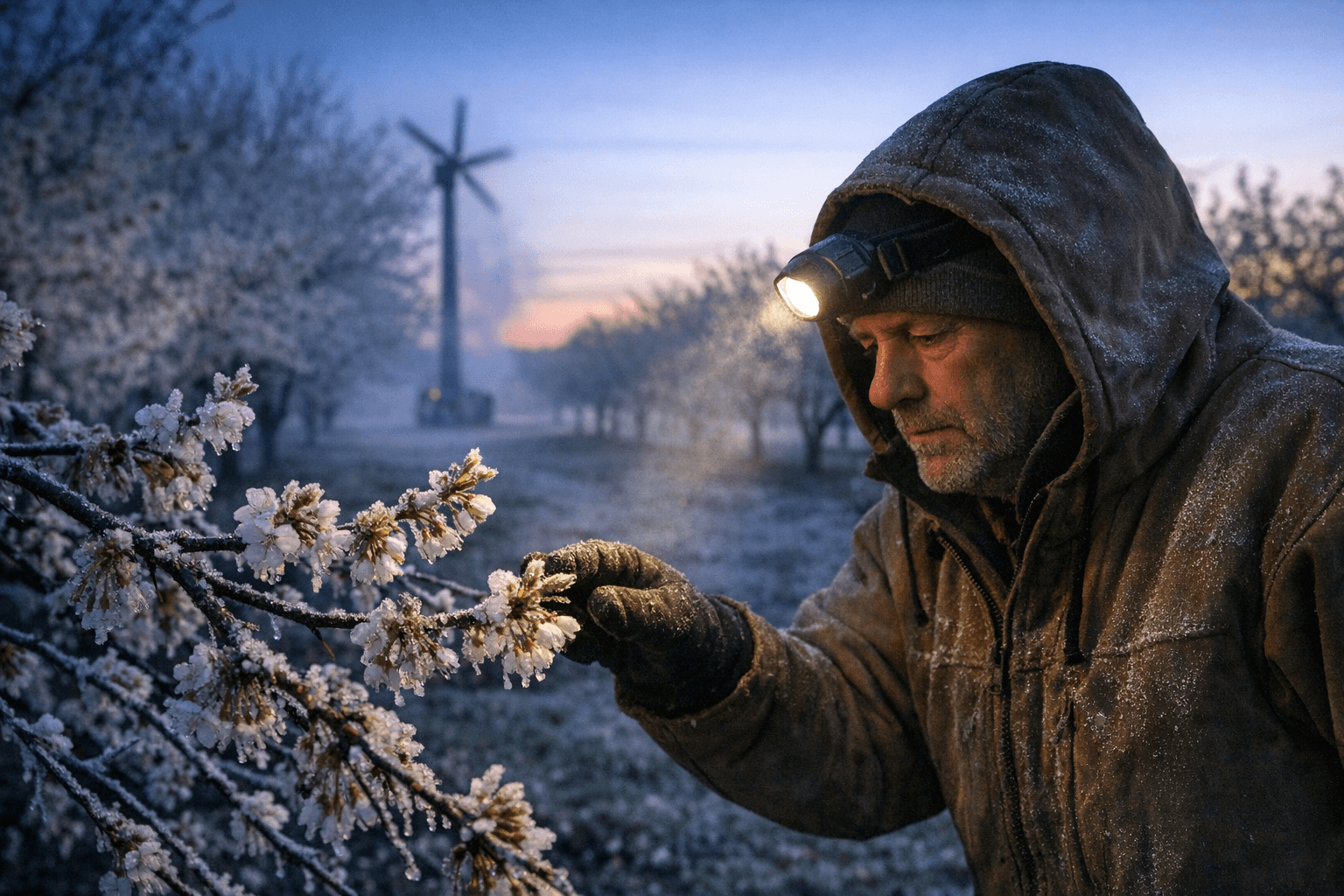
A 21-degree reading at Cherry Capital Airport put Grand Traverse County’s tart cherry crop at risk Sunday, as freeze warnings stretched across the Corn Belt and into western Michigan’s fruit belt.
For tart cherries, the timing matters as much as the thermometer. Michigan State University Extension says damage thresholds change sharply by bud stage, and cherries at tight cluster or open cluster become much more vulnerable once temperatures fall into the 20s. The extension also warns that small differences in elevation, proximity to water and cold-air drainage can create very different injury levels within short distances, which is why one orchard block can come through a freeze far better than another just down the road.
The broader pattern across southwest Michigan shows how punishing the cold can be. In its April 8 assessment, MSU Extension reported lows from 19.8 degrees to 23.7 degrees at several sites, with multiple locations spending 7 to 9 hours below 28 degrees and 2 to 6 hours below 25 degrees. In a later April 15 update, the extension estimated about 10% bud loss in peaches and tart cherries at the Southwest Michigan Research and Extension Center, with only 4% to 5% tied to the latest cold event and the rest blamed on the deep freeze at the end of January. Apricots and Japanese plums were far more heavily damaged because they were already in full bloom.
The stakes are outsized in Grand Traverse County because the region sits at the center of one of the country’s most important tart cherry belts. Michigan State says the five-county northwestern Lower Peninsula fruit region has 1,875 farms, including 584 fruit and berry farms that generated $116.5 million in sales in 2022. State data also show Michigan produces about 70% of the nation’s tart cherries, and Traverse City produces roughly 40% of those. A smaller crop would ripple beyond the orchards, affecting seasonal jobs, roadside stands, processors and summer prices across the county.
The local industry has already been under strain. In October 2024, the Michigan Department of Agriculture and Rural Development said sweet cherry farmers lost up to 75% of their crops after a mild winter and warm, wet early-season conditions fueled insect and disease damage. That led to USDA disaster declarations for Grand Traverse, Leelanau and Antrim counties, plus eight contiguous counties.
There was at least some relief in the forecast. The National Weather Service listed Cherry Capital Airport at 25 degrees early Sunday, then called for temperatures to warm into the 40s, 60s and 70s later in the week. For growers watching tender spring buds, that warming trend may be the difference between a manageable scare and a costly hit to Traverse City’s signature crop.
This article was produced by Prism’s automated news system from verified source data, official records, and press releases, then run through automated quality and moderation checks before publishing. The system is built and supervised by the people who set the standards it runs under. Read our full AI policy.
Did this article answer your question?