Grand Rapids Man Arrested for Passing Fake $10 Bills in Two Counties
Fake $10 bills traced to a Grand Rapids man suspected in a 15-state scheme already hit Grand Traverse County twice and could cost him 70 years in prison.
Fake $10 bills turned up at the Dollar General on Reynolds Road in Benzie County in late October 2025, and by the time Michigan State Police finished connecting the threads, the case had grown into a 15-state operation that had already struck Grand Traverse County twice in the same week.
Matthew Wilson, 56, of Grand Rapids was arraigned April 6 on five felony counts of Uttering and Publishing Counterfeit Bills or Notes in Benzie County's 85-1 District Court in Beulah. Bond was set at $250,000. His next court date is April 20.
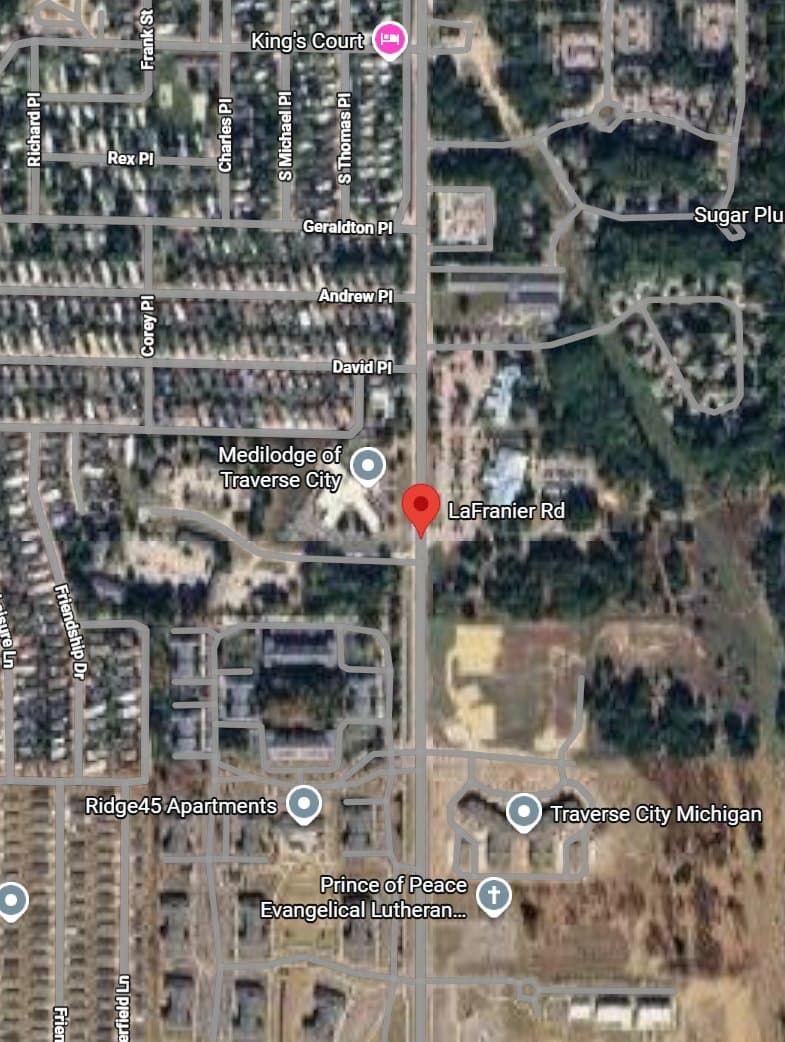
MSP Traverse City Post troopers spent five months building the case after that Dollar General complaint triggered the investigation. Two nearly identical incidents had already been reported in Grand Traverse County the day before the Benzie County complaint, though investigators initially could not connect them. MSP ultimately coordinated with local, state, federal, and out-of-state agencies, executing multiple search warrants before identifying Wilson as the suspect.
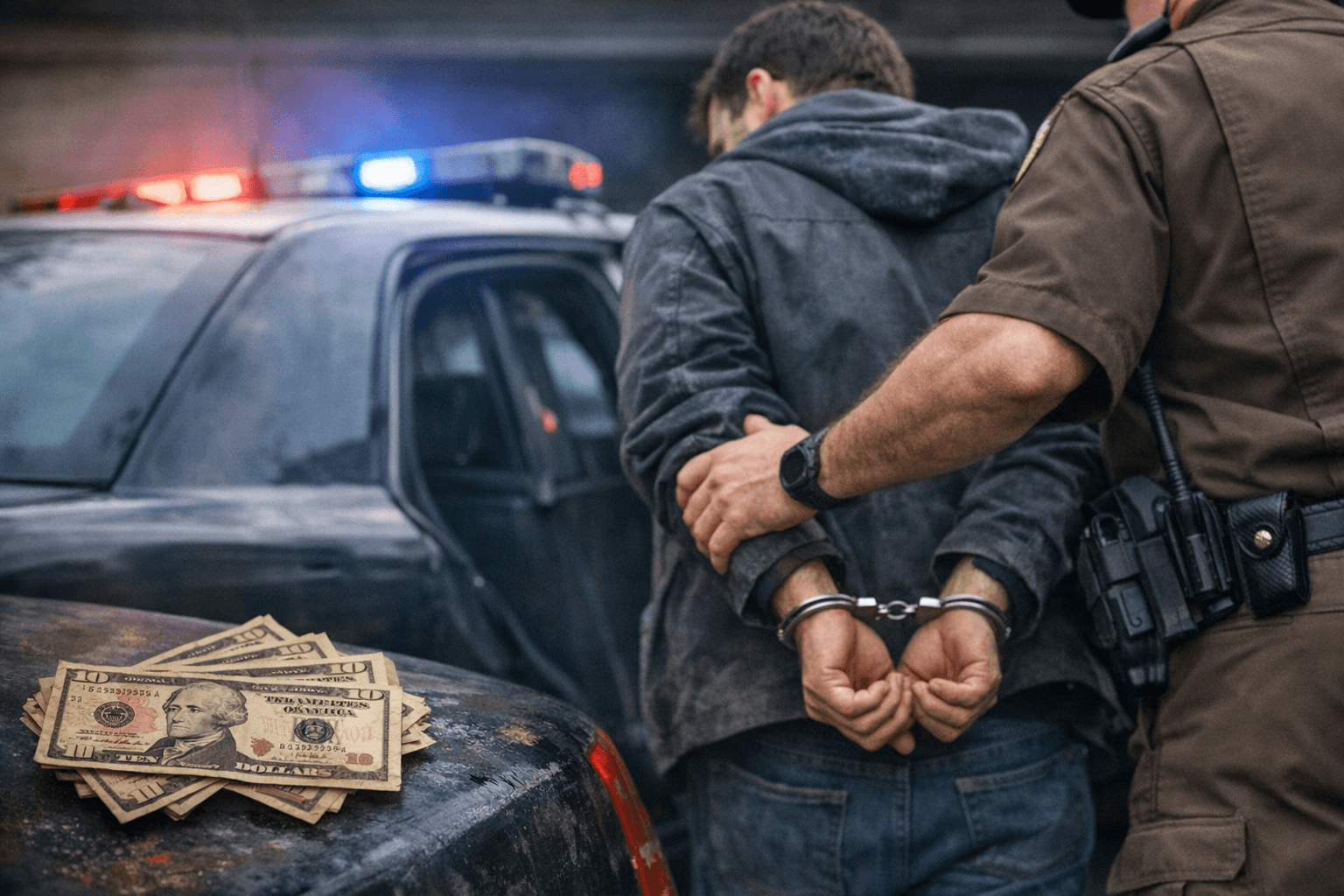
The MSP Sixth District Fugitive Team arrested Wilson on March 27 at a hotel near the Grand Rapids airport. He was found with two individuals from Malaysia who had recently arrived in the United States. A search of his hotel room turned up additional counterfeit currency, a fraudulent check, multiple electronic devices, a printer, and materials consistent with producing counterfeit bills. Wilson was booked at Kent County Jail before being transferred to Benzie County.
Prosecutors allege Wilson manufactured approximately $30,000 in counterfeit currency in Michigan alone. The full alleged operation spans 15 states; Iowa and North Dakota have each issued fully extraditable felony warrants, and more charges from other jurisdictions are anticipated. Each of Wilson's five Michigan counts carries up to 14 years under MCL 750.249, putting his combined maximum exposure at 70 years.
The $10 denomination draws less scrutiny than $20 or $100 bills, which makes it harder to catch at a busy register. Steven McMahon, a Grand Rapids-area Secret Service officer, has noted that small communities and retailers bear the heaviest impact from counterfeit currency because they are less likely to have detection equipment. There is no reimbursement for businesses or individuals who accept a fake bill: the loss is final the moment it goes in the drawer. Genuine currency has raised printing you can feel on the portrait and on Federal Reserve lettering; a bill that feels uniformly flat and smooth should prompt a closer look. If a cashier suspects a counterfeit, do not return it to the customer, note a description of the passer, handle the bill as little as possible, and contact local law enforcement or the Secret Service field office in Grand Rapids. The Secret Service seized $21.8 million in counterfeit currency nationally in a single year, resulting in 197 arrests, and has warned that advances in scanning and printing technology are making detection harder.
Northern Michigan has dealt with this before. In 2019, Charlevoix County deputies recovered between $8,000 and $9,000 in fake $100 bills with Chinese lettering tied to incidents across Benzie, Grand Traverse, Emmet, and other counties. A Traverse City man, Aaron Marcus Fasel, 36, was separately charged for passing fake $100 bills at Garfield Township businesses after probation officers spotted suspicious currency at his apartment.
Multi-agency coordination remains ongoing, and Michigan officials said additional charges in other states are anticipated. Wilson's case returns to court April 20.
This article was produced by Prism’s automated news system from verified source data, official records, and press releases, then run through automated quality and moderation checks before publishing. The system is built and supervised by the people who set the standards it runs under. Read our full AI policy.
Did this article answer your question?