Grand Traverse Band Hosts Sugar Bush Camp to Revive Maple-Sugaring Traditions
The Grand Traverse Band opens its Sugar Bush Camp in Suttons Bay this weekend, teaching ancestral Anishinaabe maple-sugaring techniques with birch bark baskets and sumac-stem taps.
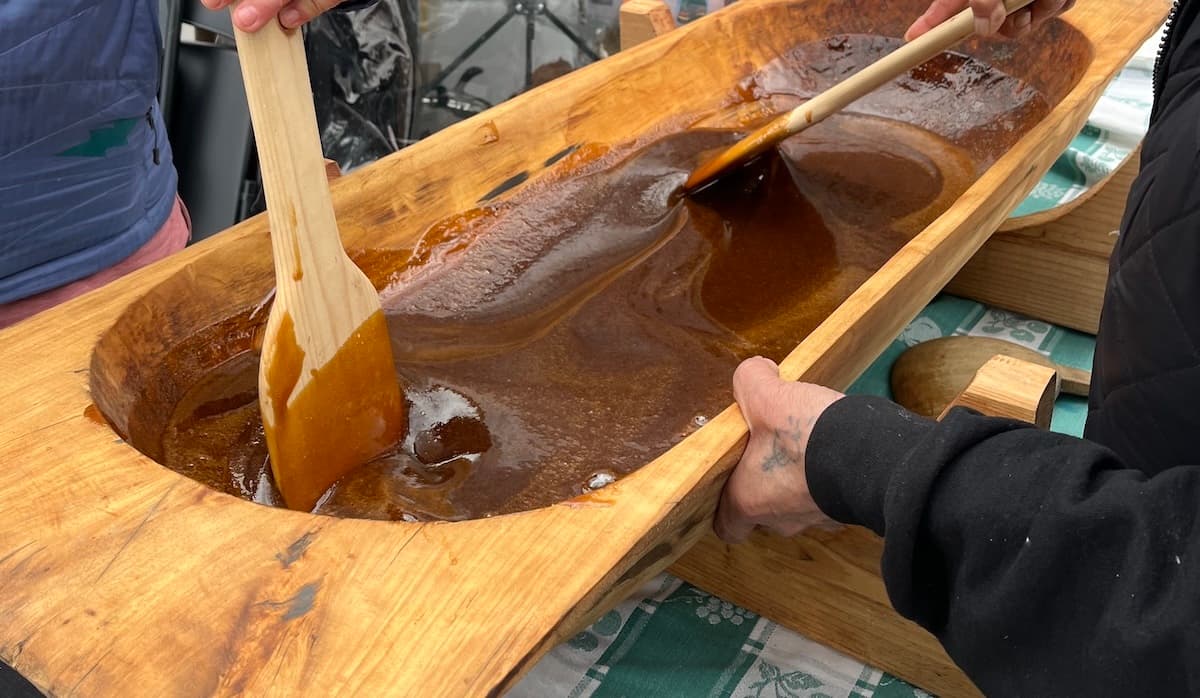
The Grand Traverse Band of Ottawa and Chippewa Indians is bringing a centuries-old Anishinaabe tradition back to the sugar bush at 3505 N Putnam Rd. in Suttons Bay this weekend, opening the second annual Ishigamizaigan Camp to the public across four days of hands-on maple sap processing and cultural workshops on March 13-14 and March 20-21.
The camp runs 10 a.m. to 6 p.m. each day and is free to attend, with hands-on workshops requiring advance RSVPs due to strict participant limits. William Derouin, who is handling registrations, is accepting requests at William.Derouin@gtb-nsn.gov. New for 2026 is a lodge structure built at the Sugar Bush Camp site itself, giving participants a gathering place on the grounds.
The GTB's Cultural Department and its Agriculture and Food Sovereignty Department, created in 2019 with USDA support, are co-hosting the event. The food sovereignty department was established with an explicit vision: that the tribe could produce food and food products for its own community. Sugar bush programming sits at the center of that goal, reintroducing techniques that GTB describes as evidence of "the sophisticated and productive life ways that sustained this community."
Those techniques predate modern maple operations by generations. According to GTB materials, ancestors of Grand Traverse Band citizens collected sap in birch bark baskets, used sumac stems as taps or spiles, and derived sugar by removing ice from the baskets. Sap was also boiled in animal skin containers using heated rocks. The resulting maple sugar, more shelf-stable and portable than syrup, served as a sweetener, a meat preservative, and, in moderation, a medicine.

"Come and learn some of these traditions, and even if you harvest maple sap at home, there are great ways to honor some of the traditions, like showing respect for the trees by knowing when to tap, when to pull your taps, and not tapping too much," Derouin said. He added that seasonal conditions matter: during years with mild winters, it is better not to tap the trees at all.
The workshop lineup is detailed and tightly capped. Birch Bark Basket Making runs in three sessions — 10 a.m. to noon, noon to 2 p.m., and 3 to 5 p.m. — with six participants per session. Stir Paddle Making, a woodworking workshop, runs from 1 to 3 p.m. and 4 to 6 p.m., limited to four participants each. Winter Mitten Sewing, offered only on March 13, 14 and 20, has two daily sessions from 11 a.m. to 1 p.m. and 2 to 4 p.m., also capped at four per session. Storytelling sessions, offered only on March 14 and 21, run 60 minutes throughout the day and can accommodate up to 12 participants at a time. Workshop attendees receive a meal; general visitors can expect refreshments and snacks throughout the day.
GTB's event and agriculture pages at gtbindians.org and the tribe's Facebook page at facebook.com/GrandTraverseBand carry additional information. The GTB main office in Peshawbestown can be reached at (231) 534-7750.
Know something we missed? Have a correction or additional information?
Submit a Tip