Grand Traverse Bay Freezes Over for First Time Since 2019
Grand Traverse Bay has frozen over across both East and West bays, a rare event that brings shoreline protection benefits but serious safety risks for residents.
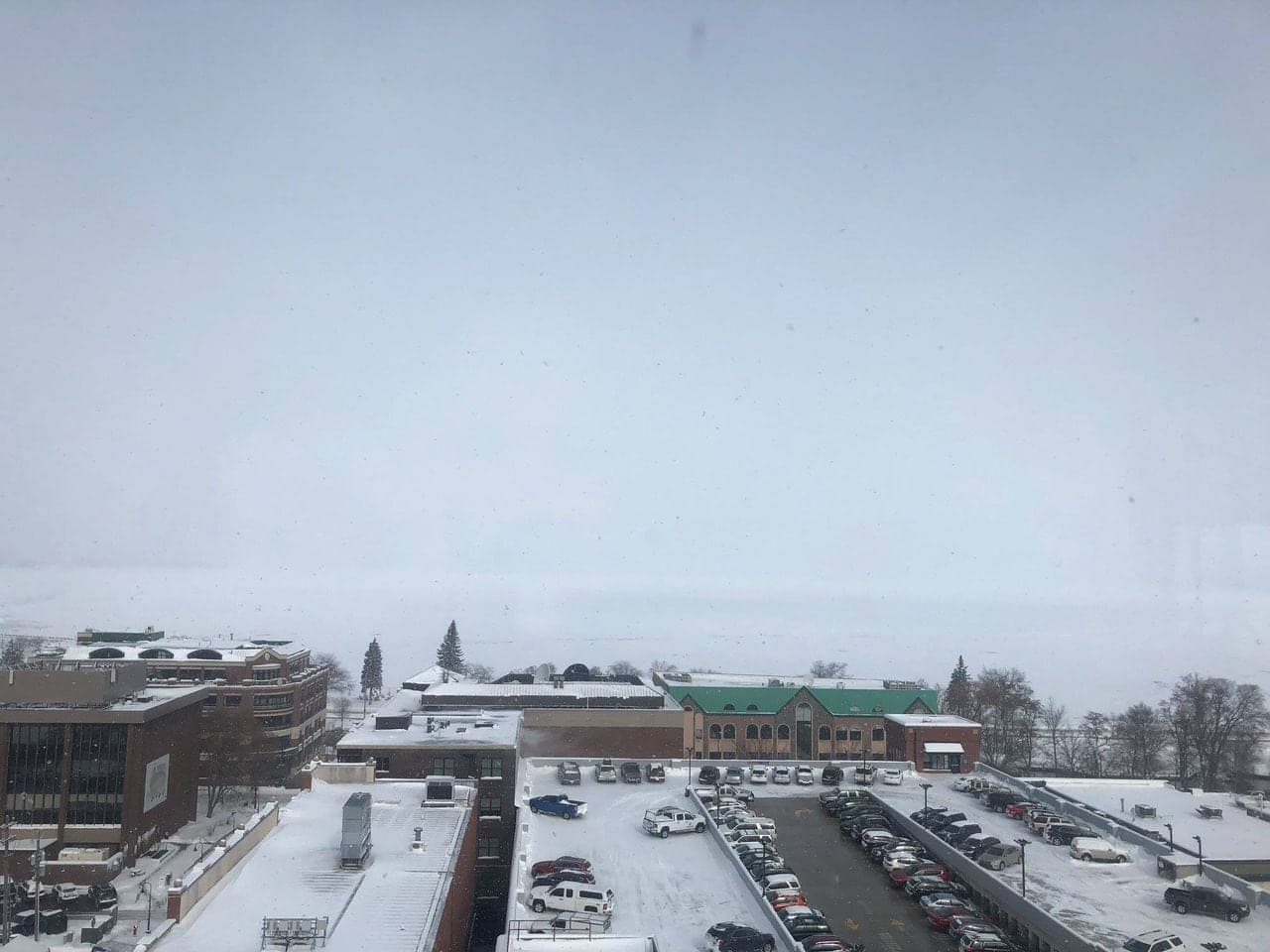
A continuous sheet of ice now spans Grand Traverse Bay, creating the first bay-wide freeze since 2019 and drawing a mixture of relief and caution from environmental stewards and public-safety officials. The Watershed Center Grand Traverse Bay announced the milestone on social media: “It’s official - Grand Traverse Bay has frozen over!”
The center’s definition of a frozen bay requires a continuous sheet of solid ice across East Bay and West Bay from Traverse City to Power Island. East Bay had iced over earlier in the weekend, and the lower portion of West Bay formed solid ice on Tuesday, Feb. 3, 2026. The last time the entire bay frozen was in 2019, when ice persisted for 49 days from mid-February through mid-April.
The freeze has local ecological and community implications. Heather Smith, Grand Traverse Bay water keeper, explained one benefit: “So when we have ice cover, we’re not getting really big winter storms pounding into our shorelines,” and “So we’re not getting that kind of turbulence at the land water interface, which helps with shoreline control and shoreline erosion.” At the same time Smith warned that ice conditions vary: “It’s variable out there. So, there could be areas that are much thicker or much weaker… So, we really are encouraging people to exercise, extreme caution. There is no really safe ice.”
The milestone lands amid a long-term climate signal. The Watershed Center, cited in regional reporting, noted that “With more than 175 years of records, that data tells an important story - the bay is freezing less often and staying frozen for fewer days.” Local reporting highlights a sharp drop in freeze frequency for West Grand Traverse Bay - from about 80% of winters before 1980 to roughly 40% since 1980. Regional ice coverage on the Great Lakes is also elevated this year; 9&10 News reported about 50% ice cover while MLive reported 55% and a week-over-week rise from 42%.
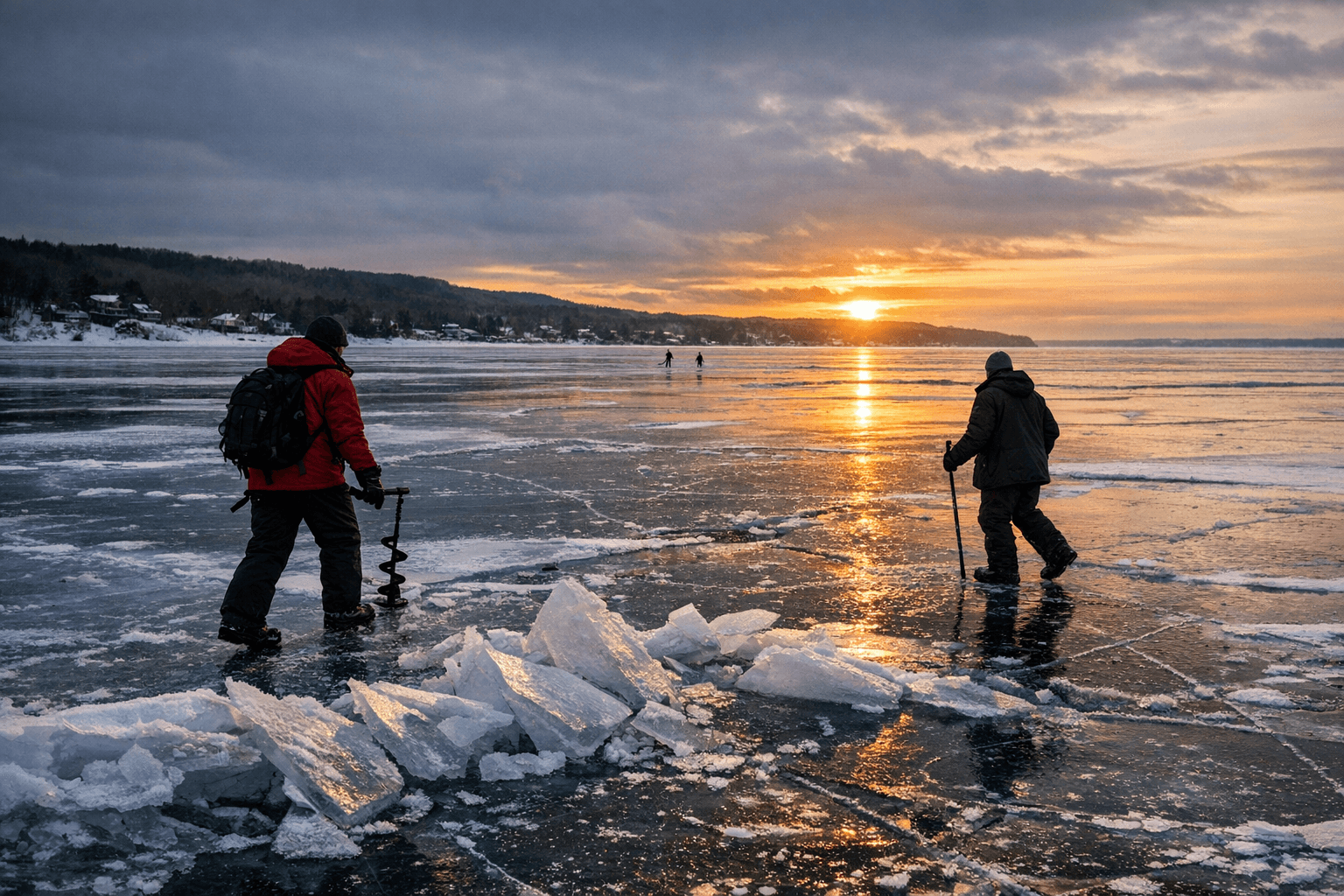
Community activity has already shifted. MLive said the frozen-bay announcement amplified a buzz around town, with ice anglers, winter mountain bikers and hikers likely to be seen on the ice. Radio coverage noted that ice fishermen had not drilled holes since 2019 and are returning now that the bay is fully frozen. Anglers target species such as whitefish, yellow perch, cisco and lake trout, and local spots like East Bay near Acme and West Bay near Bryant Park are often recommended when ice is safe. Reporters also note a hazard beneath the ice: the bay can reach depths up to 620 feet.
Public health and emergency-planning concerns are immediate. Local officials, Heather Smith and the U.S. Coast Guard all stressed that “No ice is ever considered safe ice.” The freeze raises predictable risks - hypothermia, drowning and the need for complex rescues - and presses healthcare providers and emergency services to prepare for cold-injury cases while ensuring communication reaches all residents, including those with limited access to safety information.
For Grand Traverse County residents, the freeze offers a rare chance to experience the bay in winter while underscoring the need for caution and community planning. With colder conditions so far in 2026, local experts say the bay could remain frozen longer than it did in 2019; for now, prioritize safety, heed official warnings and check with local authorities before venturing onto the ice.
This article was produced by Prism’s automated news system from verified source data, official records, and press releases, then run through automated quality and moderation checks before publishing. The system is built and supervised by the people who set the standards it runs under. Read our full AI policy.
Did this article answer your question?


