Grand Traverse County commissioners reject bid to end invocation policy
Grand Traverse County commissioners left the 2019 invocation policy intact, keeping prayer before meetings in place after another split fight over public trust and inclusion.
A bid to end Grand Traverse County’s invocation policy failed, leaving commissioners to relive a fight that has followed the board since 2019. The decision kept in place a rule that lets county meetings open with prayer before the Pledge of Allegiance, a practice that again drew attention away from ordinary county business and back to the question of how public meetings should begin.
The policy was adopted Jan. 16, 2019, in a 4-3 vote. It says Grand Traverse County wanted to allow legislative prayer at certain county meetings, and it ties that goal to U.S. Supreme Court decisions including Town of Greece v. Galloway and Marsh v. Chambers. It also says the invocation may not be used to proselytize or disparage any faith or belief.
Under the county’s procedure, the invocation role falls to a rotating list of commissioners, who may deliver the prayer themselves or delegate it to someone else. If a resident wants to offer an invocation, county rules send that person to a commissioner, who can choose whether to grant the request. That structure has helped keep the issue alive, because it leaves the process in the hands of elected officials rather than a fixed public roster.
The debate was not new in 2019, and it was not quiet. During the Jan. 2 organizational meeting that year, several residents spoke against the policy. The county’s early move to use it drew public controversy, with questions about who could give the prayer, how those people would be chosen, and whether the practice made some residents feel pushed to take part in a government setting that should remain neutral.
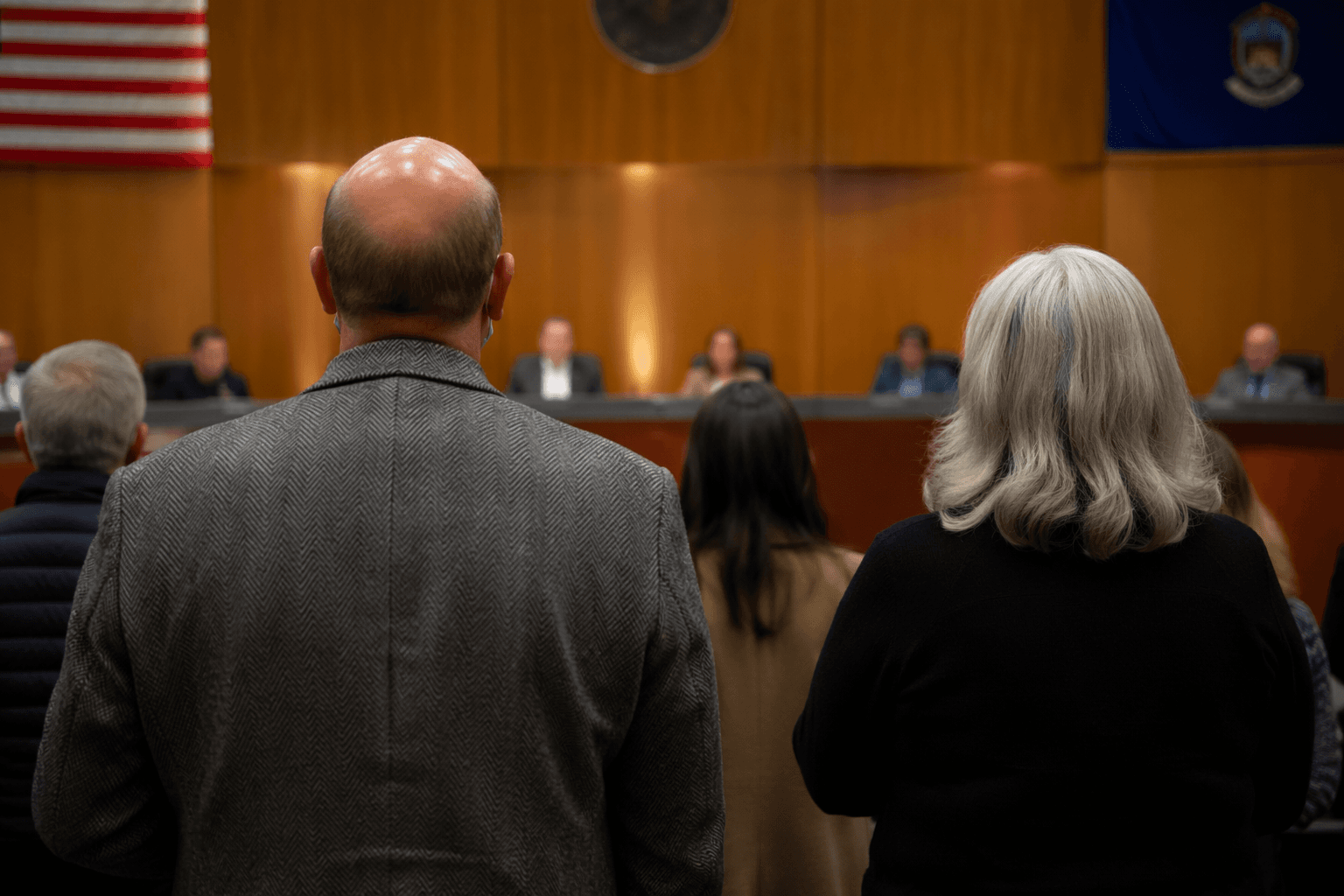
Those concerns also carried a legal edge. Frank Ravitch, a Michigan State University law professor, warned in 2019 that letting commissioners handle invocation requests could create pressure for attendees and expose the county to litigation if residents were denied. That risk still shadows the policy today, along with the more immediate practical problem of how often commissioners want to revisit the same dispute instead of moving on to roads, public safety and other county work.
For now, the board’s rejection of the latest attempt to scrap the policy means the invocation will remain part of covered commission meetings unless a future vote changes course. In Grand Traverse County, a ceremonial opening has become a recurring test of public trust, institutional tone and how much meeting time the county is willing to spend on the argument itself.
This article was produced by Prism’s automated news system from verified source data, official records, and press releases, then run through automated quality and moderation checks before publishing. The system is built and supervised by the people who set the standards it runs under. Read our full AI policy.
Know something we missed? Have a correction or additional information?
Submit a Tip