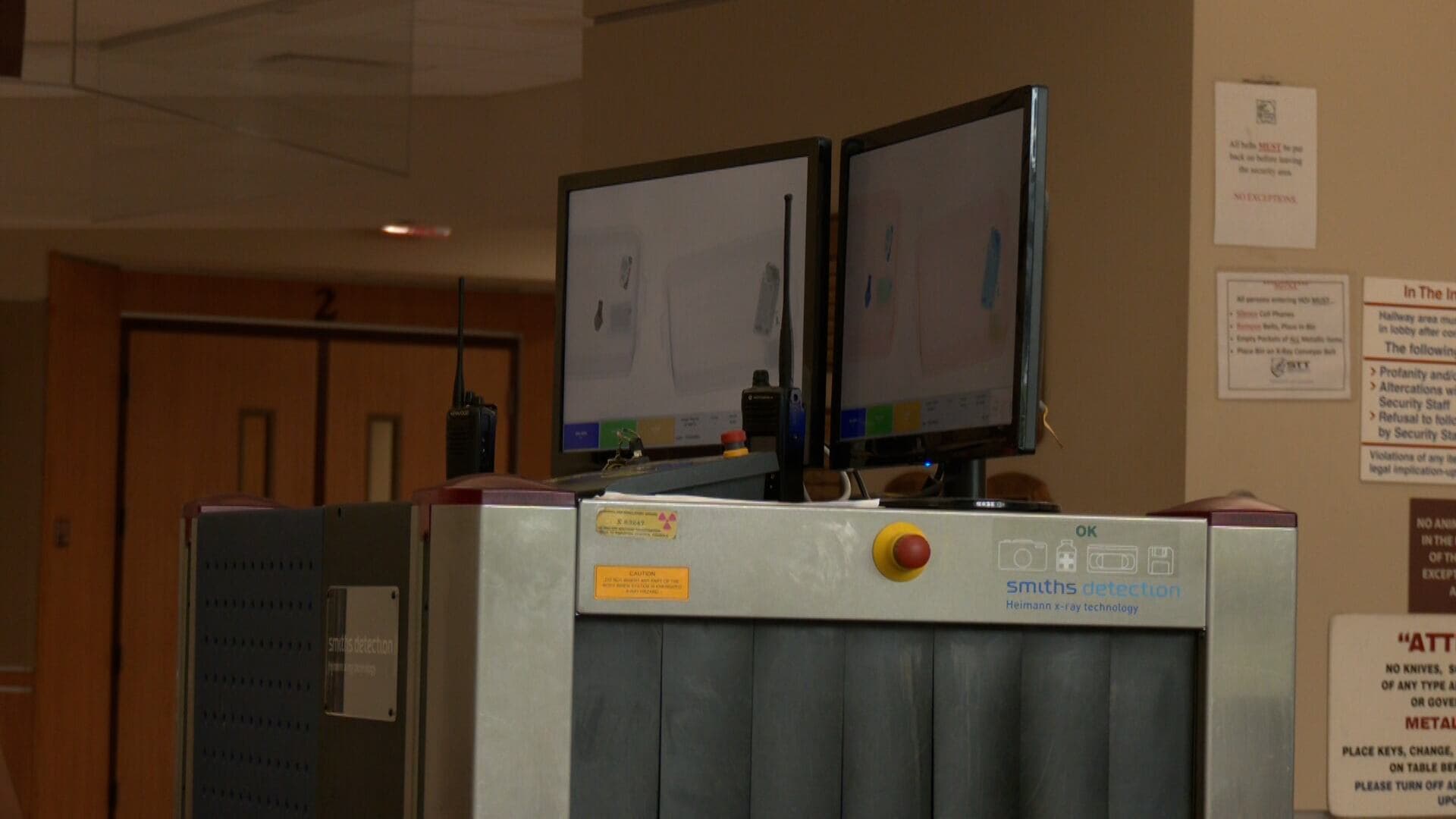
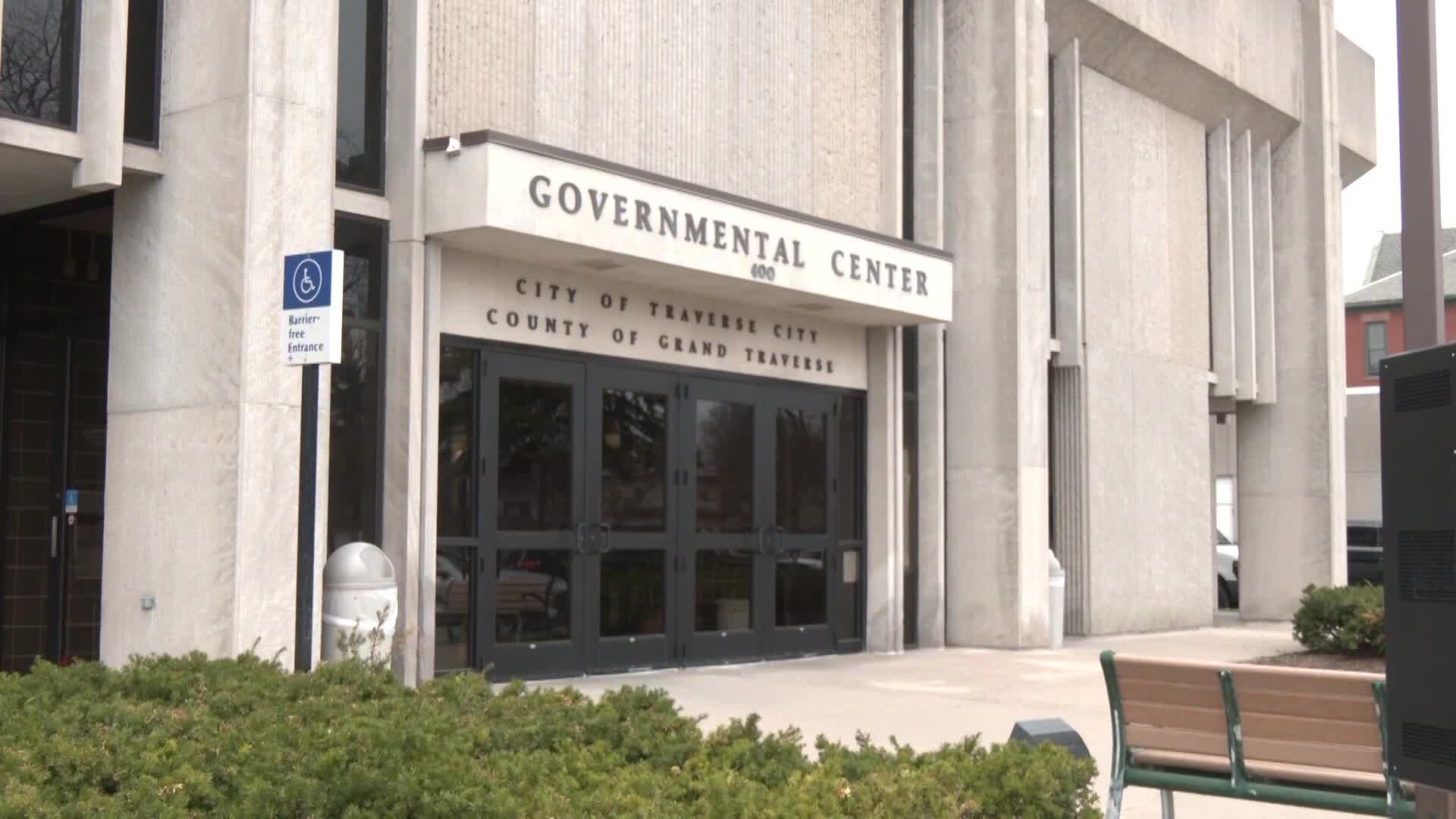
Grand Traverse County explains how property taxes are assessed, billed and paid
Grand Traverse County’s tax bill starts with a Dec. 31 assessment, moves through township millage rates and board review, and can end in delinquent-tax foreclosure.
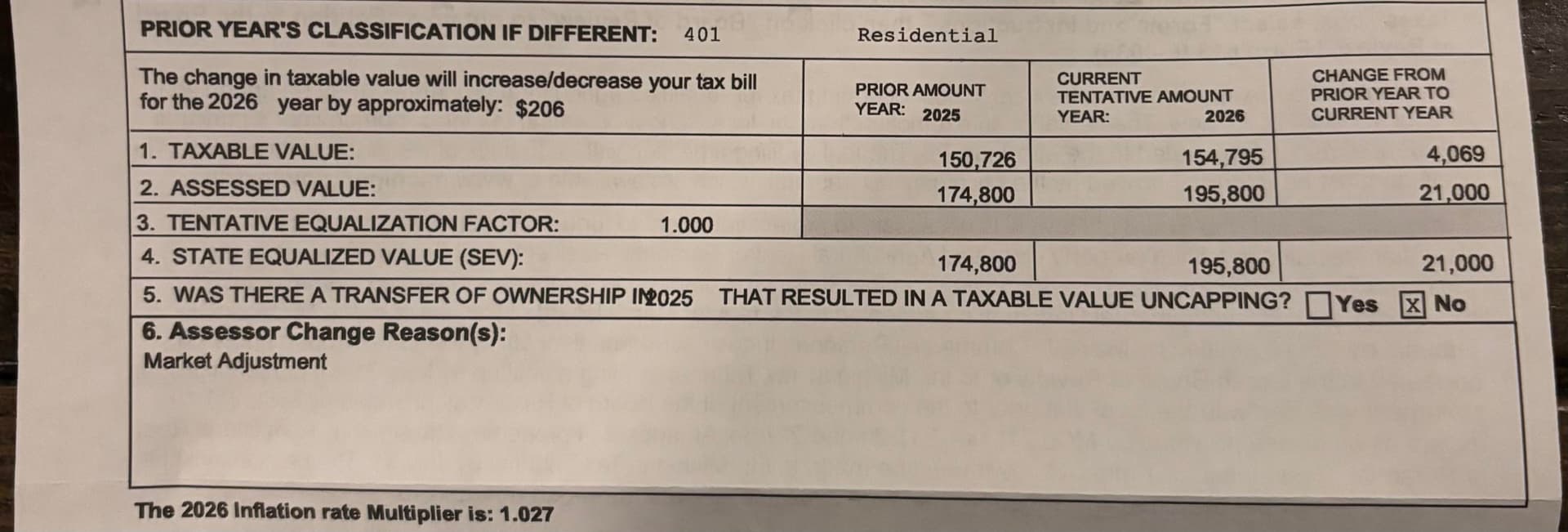
In Grand Traverse County, a property is assessed on Tax Day, December 31, at 50% of its True Cash Value. That value is then checked, equalized and multiplied by the millage rate in the township before the bill is issued.
How the assessment is built
Grand Traverse County’s Equalization Department sits at the center of the countywide system. Under the general direction of the Board of Commissioners, it conducts the statutory annual equalization of property tax assessments to create uniformity by property classification across the county’s various taxing jurisdictions.
The county publishes local assessors by township, and the Equalization Department helps those assessors develop and maintain accurate property descriptions, discover and list properties for tax purposes, and value properties. The county’s GIS Department also plays a practical role in the process by maintaining parcel ownership, road centerlines, official address data and county internet mapping applications.
A homeowner can think of the assessment side this way: the assessor identifies the property and estimates value, equalization checks that the values are uniform, and the township and other taxing units determine how much of that value becomes a tax bill. Two houses that look similar can still land on different bills if they sit in different townships, have different exemptions or are hit by different millage rates.
How the bill gets calculated
Grand Traverse County’s formula is blunt and useful: take the current taxable value and multiply it by the millage rate in the township. The millage rate is the collection of local taxing rates that apply to the parcel, including school, township and other local units, and it can change depending on whether the property is homestead or non-homestead.
The county’s 2026 Reports & Millages page lists the 2026 Equalization Report, the 2026 L-4037 State Tax Commission Assessment Roll Certification, the 2026 Tentative Ratios and Factors, and the 2026 L-4022 Assessed Values for All Units. Those documents are part of the paper trail behind the annual tax roll and show how the county ties local values to state review.
The differences can be substantial. A 2023 Grand Traverse County millage-rate chart shows Traverse City School District homestead totals of 26.9056 mills in Acme Township and 26.9056 mills in Traverse City Township. Non-homestead totals in both places were 44.9056 mills, a spread that explains why the same building can produce a much larger bill when it is not treated as a homestead.
The county’s 2024 millage-rate file also breaks taxes out by township and school district and shows rates per $1,000 of taxable value.
Where to check your parcel record
If the tax bill looks wrong, the parcel record is the first place to check. Grand Traverse County makes its tax maps available for free on the county website, and each township and the City of Traverse City has a large PDF file with the most recent maps from the 2024 cycle. The Parcel Tax Data Viewer is current to March 31, 2026, and the Parcel Information page points residents to a free GTC Parcel Search current to the 2025 cycle.
BS&A offers detailed March Board of Review update information for a small fee.
One sample record lists parcel 01-002-005-22 in Acme Township, owned by KC PROPERTIES TC LLC, with a property address at 5535 Bates Rd., Williamsburg, MI 49690.
It helps keep parcel ownership, road centerlines, official addresses and the county’s mapping tools aligned, which reduces the chance that a tax bill, a legal description or a street address points to the wrong place.
How to challenge the value
If the assessed value seems off, the county’s appeal process starts before the March meetings of the local board of review. Grand Traverse County mails assessment change notices each year before those meetings, and the notices include state equalized value, taxable value and the percentage of exemption as a principal residence or qualified agricultural property.
The March Board of Review reviews the assessment roll. In Traverse City, the Board of Tax Review is also authorized to examine, review and correct the assessment roll, and it has the same powers and duties as township boards of review. The City of Traverse City Assessing Department lists (231) 922-4450 for assessment questions, which is the direct number residents inside the city limits can use when a parcel record, exemption or value needs to be checked.
The process is similar, but the office that handles the review depends on where the property sits, and county equalization, township assessors and city assessors each touch a different part of the file.
What happens if taxes go delinquent
If taxes are not paid, the Treasurer’s Office becomes the next stop. The office accepts delinquent property tax payments and provides tax certification under Michigan law, and the county’s tax/deed certification page cites MCL 211.135 as the basis for that certification role on documents submitted for tax or deed certification.
The county also warns that delinquent taxes move into foreclosure faster than they once did. Public Act 123 of 1999 shortened the amount of time property owners have to pay delinquent taxes before foreclosure, which is why unpaid taxes are not a problem to put off and revisit later.
Grand Traverse County’s delinquent-tax FAQ includes questions about whether someone can lose a house for not paying taxes and what counts as a delinquent tax.
The online property tax payment system was unavailable from Tuesday, July 7 at 5 p.m. through Monday, July 13, 2026, at 8 a.m. during a move to a cloud-based service, while cash and check payments were still accepted at 400 Boardman Avenue in Traverse City.
This article was produced by Prism’s automated news system from verified source data, official records, and press releases, then run through automated quality and moderation checks before publishing. The system is built and supervised by the people who set the standards it runs under. Read our full AI policy.
Did this article answer your question?