Grand Traverse County shifts flooding response to recovery, damage assessments begin
Floodwater forced eight road closures at the peak, but Grand Traverse County is now pushing residents to report damage so recovery can start.
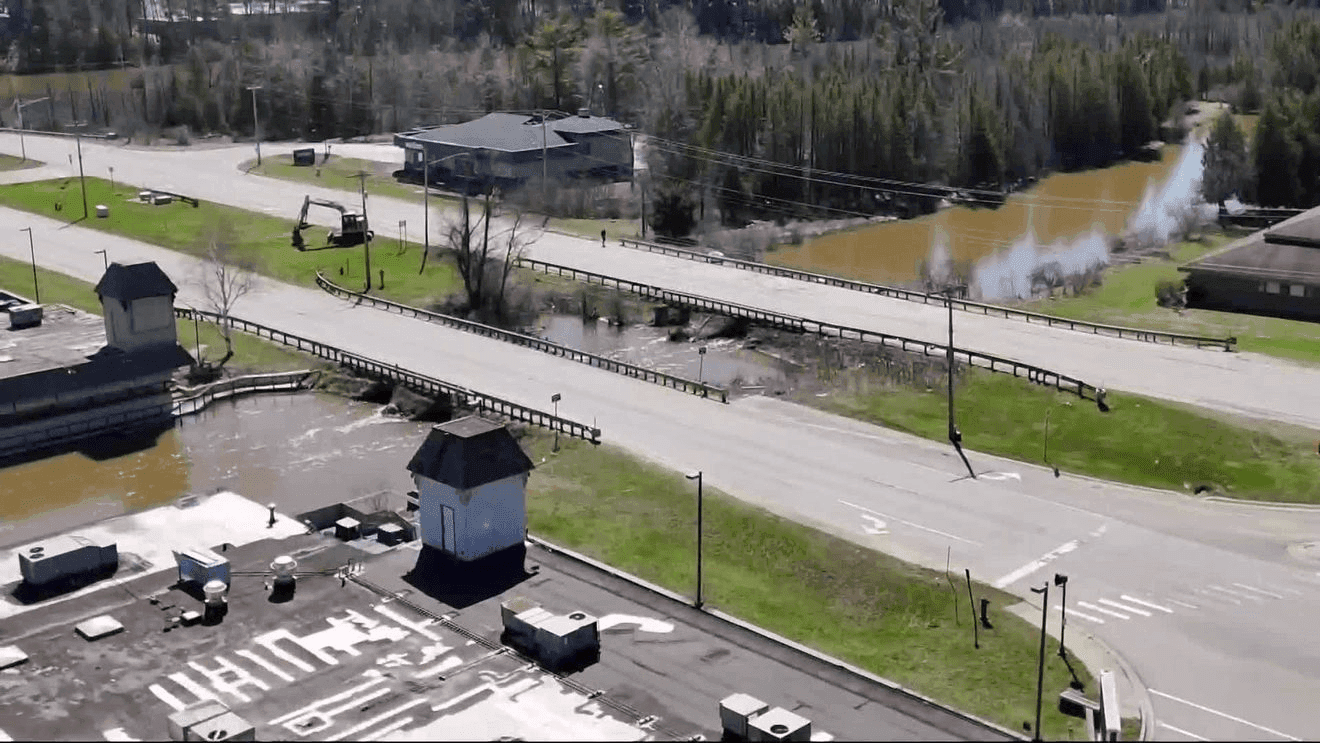
Grand Traverse County has moved from racing floodwater to measuring the damage, with roads reopening, bridge inspections underway and residents now being asked to document losses so recovery can begin.
The county declared a local state of emergency on April 14, after the Boardman River at Beitner Road reached historic flood levels and the Beitner Road bridge collapsed. Gov. Gretchen Whitmer expanded Michigan’s state of emergency the next day, adding Grand Traverse County and 32 other counties as the flooding emergency spread across the region.
By the height of the response, eight roads were closed. That number had fallen to four by the afternoon of April 20, when South Airport Road reopened at 4:30 p.m. after inspection and testing by state bridge inspectors and Grand Traverse County Road Commission engineers. The reopening signaled a shift from pure emergency response to the slower work of restoring the county’s transportation network, where one damaged crossing can affect access far beyond a single neighborhood.
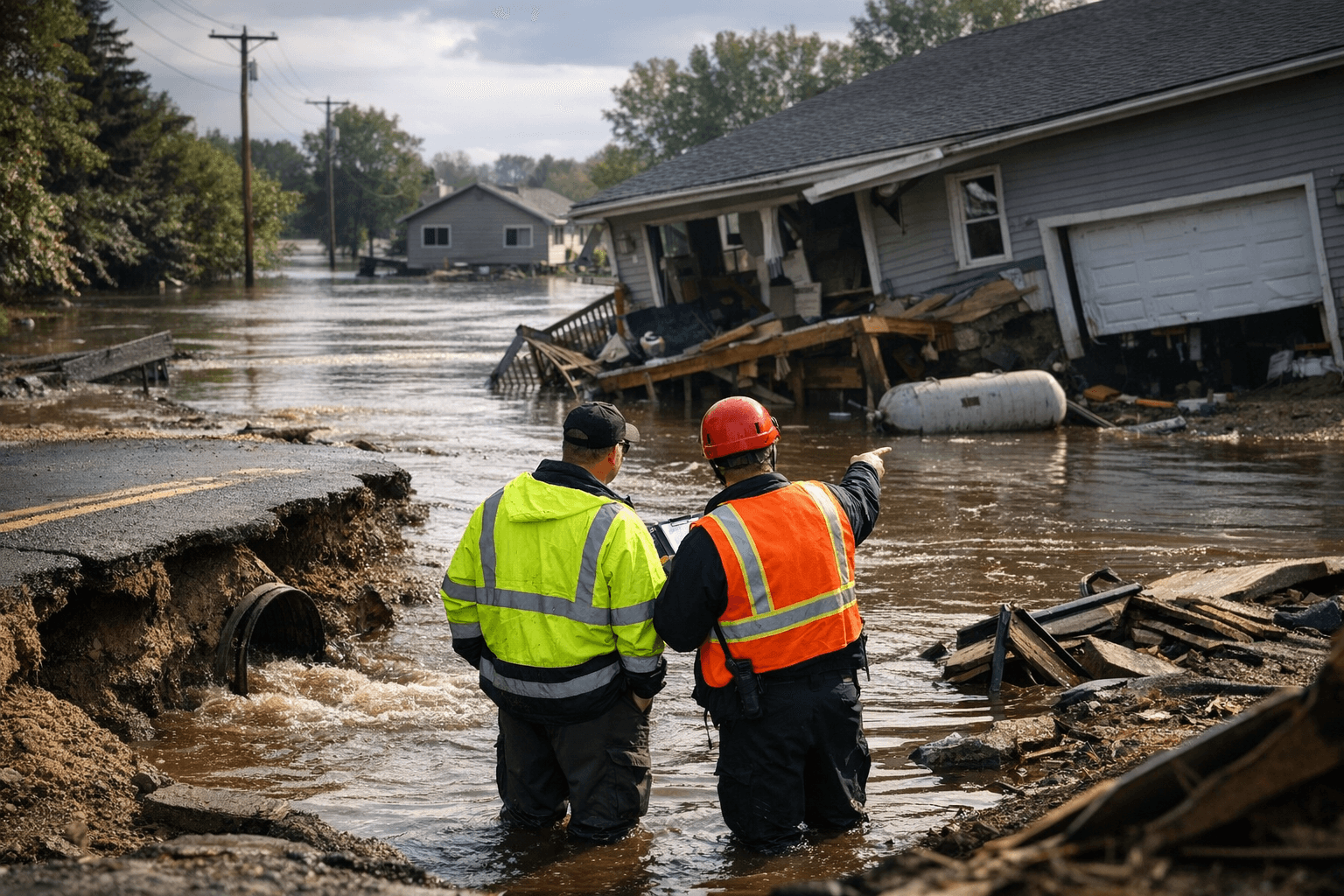
The next phase now runs through the county’s Equalization and GIS logistics team, which is assessing flood impacts to private and public properties across Grand Traverse County. Residents who suffered damage are being asked to complete the county’s self-reporting survey and include contact information, property details, insurance status, foundation type and photos. State officials say those reports help determine whether federal assistance is available, making the paperwork as important as the cleanup.
People with unmet needs are being directed to call or text 211 through the 2-1-1 Regional Center. The county’s message is also clear on safety: stay cautious on trails and in flood-affected areas, where erosion, hidden washouts and unstable surfaces can still threaten anyone who assumes the danger ended when the water dropped.
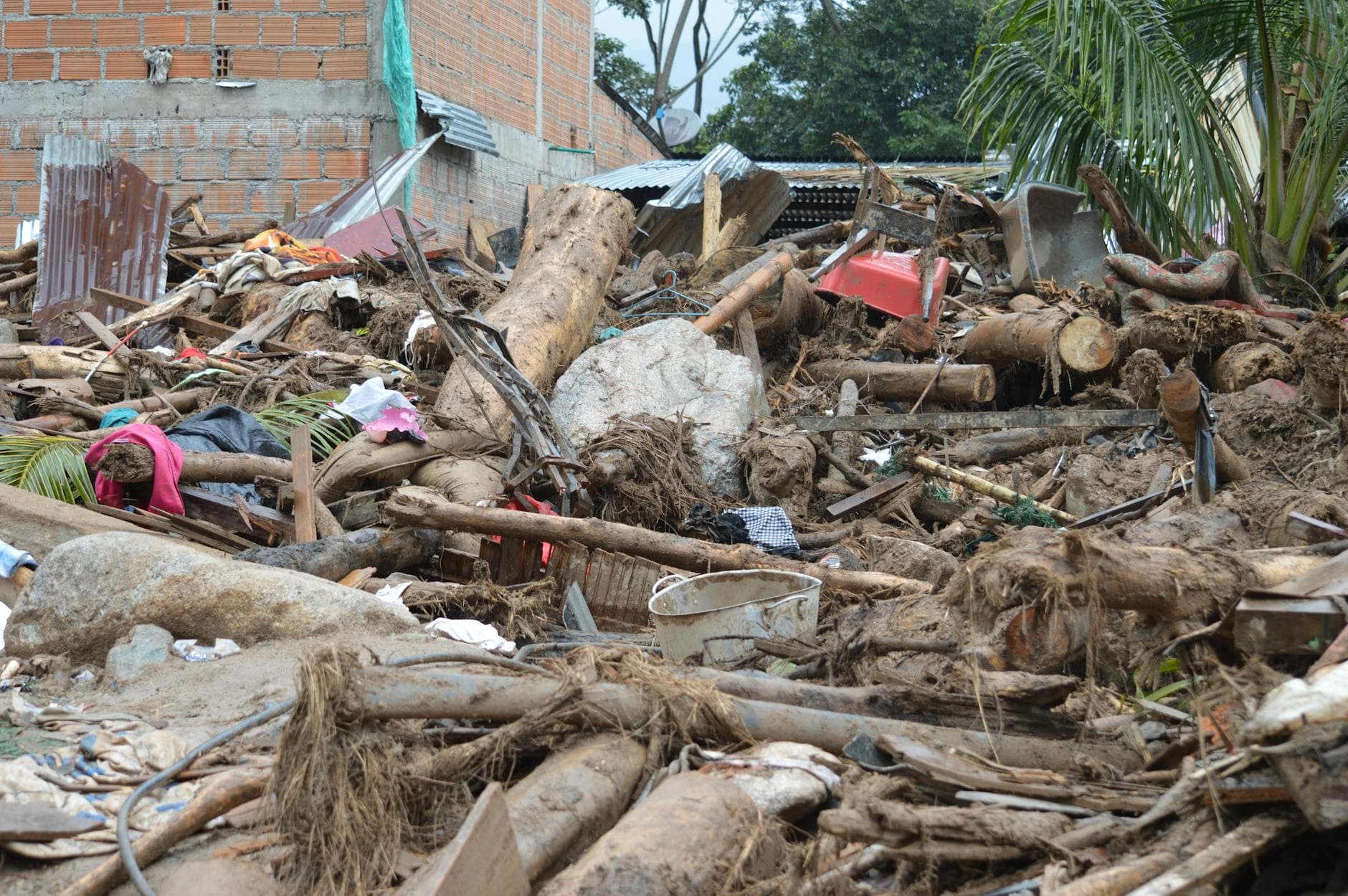
The biggest long-term interruption may be Beitner Road, where officials said the bridge collapse could keep the route closed for six months or more while permitting and reconstruction continue. For now, Grand Traverse County’s flood response is no longer measured only by closed roads and emergency alerts. It is being measured by inspections, damage reports and the length of the repair work still ahead.
This article was produced by Prism’s automated news system from verified source data, official records, and press releases, then run through automated quality and moderation checks before publishing. The system is built and supervised by the people who set the standards it runs under. Read our full AI policy.
Did this article answer your question?