Grand Traverse County shifts to flood damage assessments after heavy rains
Grand Traverse County is now inspecting flood damage after the Boardman River dropped below advisory stage, with preliminary losses reaching $21.2 million.
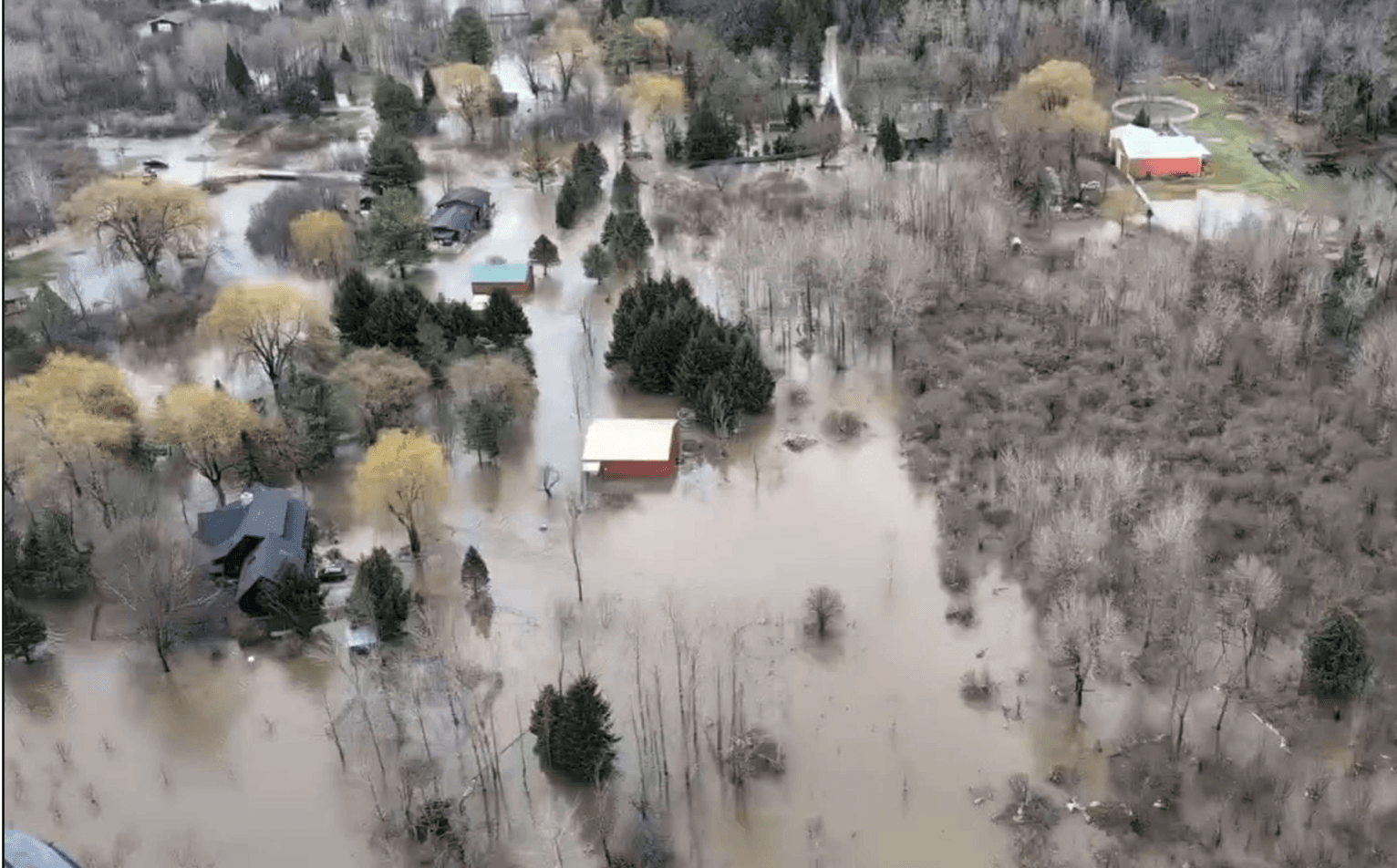
Grand Traverse County has moved its flood response into damage assessments as the Boardman River dropped below flood advisory stage and the Emergency Operations Center shifted from response to recovery. County crews are now checking structures, tracking water levels and sorting out which roads, bridges and drainage systems took the hardest hit after heavy rains.
The county declared a local State of Emergency on April 14 because of ongoing and anticipated flooding impacts, giving officials a way to coordinate public safety resources and support response and recovery work across affected areas. Two days later, the county’s GIS team posted an interactive road-closure map in the Grand Traverse County Parcel Viewer, giving residents a live look at where access was cut off or limited.
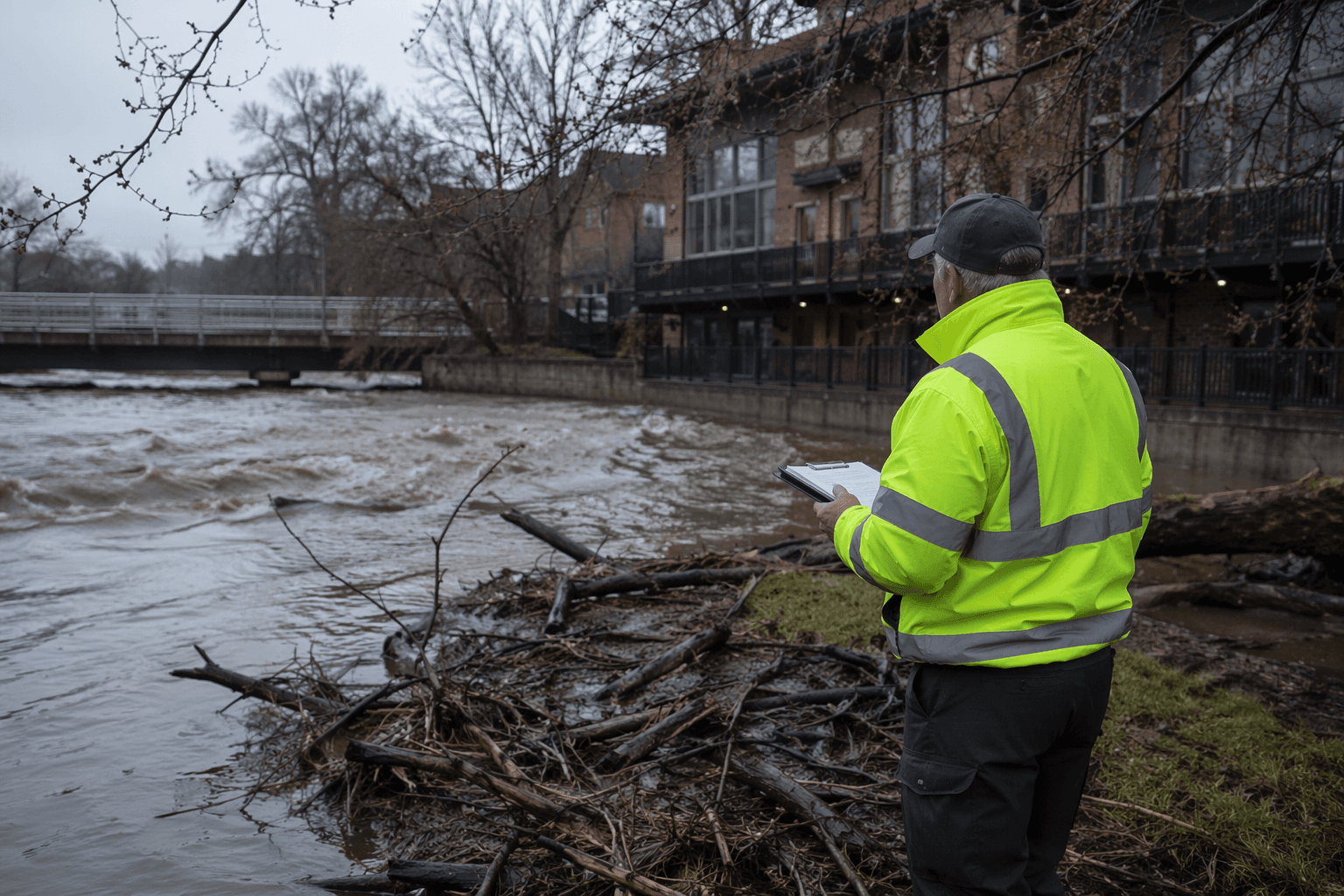
By April 20, county officials said the Boardman River was officially below flood advisory stage and that the Emergency Operations Center was transitioning from response to recovery. The local state of emergency was set to expire that evening because Grand Traverse County was then covered under the state-level emergency declaration. Even with the shift, officials still had to manage the practical fallout from flooded roads, trail closures and an airport detour.
The damage picture widened quickly. Preliminary flood losses in Grand Traverse County had climbed past $15 million by mid-May, and on May 21 officials reported estimates at $21.2 million, including more than $10 million in public damage. That total reflected more than nuisance flooding. Local reporting documented a bridge collapse, road and trail closures, and impacts to transportation routes, including South Airport Road, underscoring how deeply the water reached into everyday travel and public access.
The county’s culvert planning shows why the recovery phase matters. A county-related story map found that 56% of surveyed culverts needed repair or replacement because of flood risk, a warning that many drainage points may not be built for the kind of runoff Grand Traverse County just saw. In practical terms, that means the next stretch of work is not only about clearing water away, but about identifying which culverts, roads and structures can hold up if more rain arrives.
For homeowners, renters and business owners, the county’s recovery phase will be measured in access, repairs and timelines. Structural inspections will determine where roads can reopen safely, which drainage systems need immediate work and where damage will require longer-term fixes before traffic, deliveries and daily routines can return to normal.
This article was produced by Prism’s automated news system from verified source data, official records, and press releases, then run through automated quality and moderation checks before publishing. The system is built and supervised by the people who set the standards it runs under. Read our full AI policy.
Did this article answer your question?