Grand Traverse County urges residents to avoid flooded roads, seek higher ground
Floodwater closed 8 roads at the peak, and county officials warned residents to stay off them, move to higher ground and call for help fast.
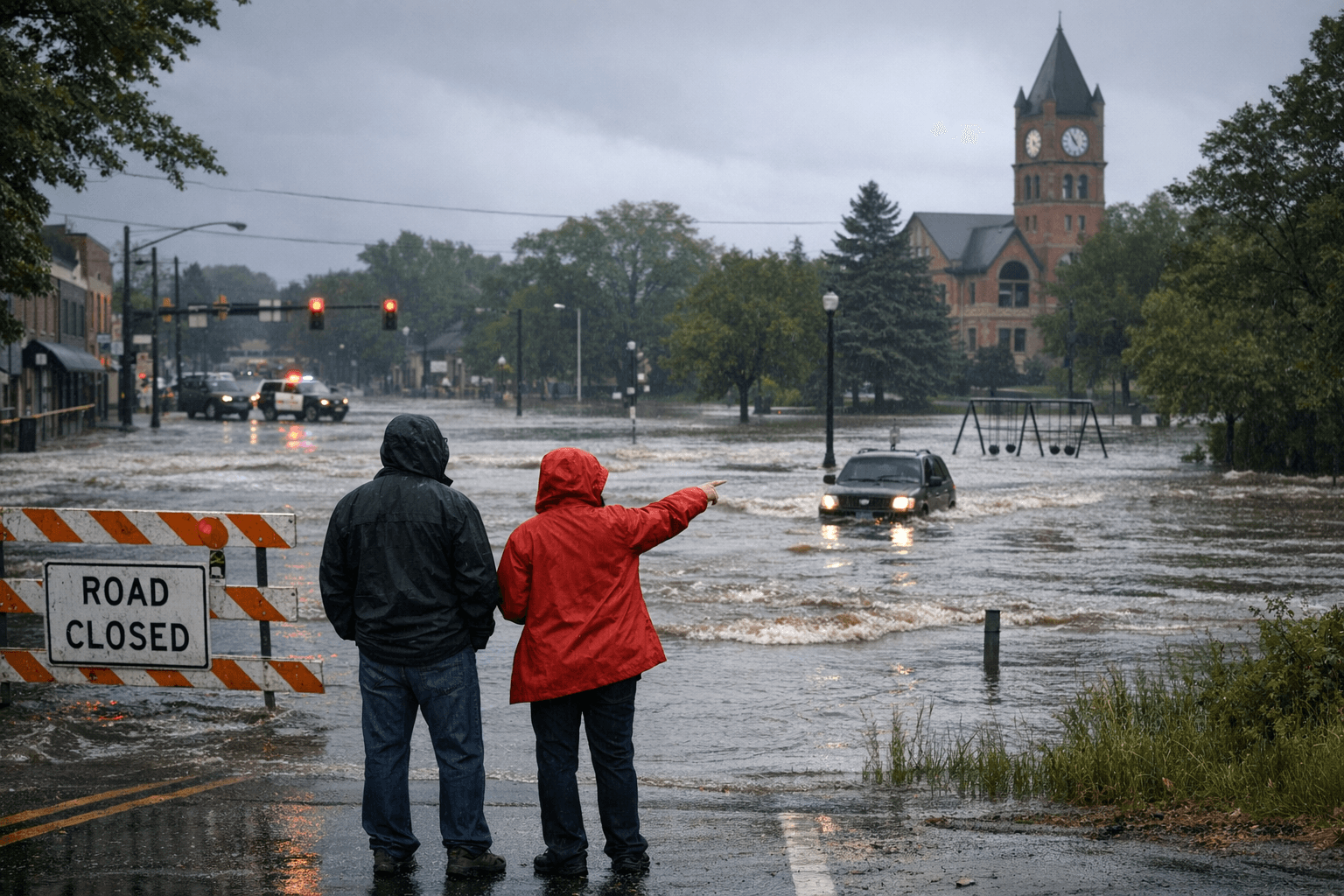
Residents in flooded parts of Grand Traverse County were told to stay off water-covered roads, move to higher ground if danger was near and call 911 or Grand Traverse County 911/Central Dispatch at 231-922-4550 if evacuation or safety concerns developed. County officials warned that flooded areas could turn life-threatening quickly and that responders might be delayed or unable to reach some homes, especially along low-lying roads, river crossings and isolated neighborhoods.
The warning came after Grand Traverse County declared a local state of emergency on April 14, activated the County Emergency Operations Center and held an incident briefing and press conference on April 15. County administrator Nate Alger said the emergency declaration let officials bypass normal procedures, activate emergency plans, deploy special resources, consider travel restrictions and authorize spending to protect public health and safety. County officials said the response included the Grand Traverse County Road Commission, the City of Traverse City, township officials, first responders from multiple jurisdictions, TCAPS, Northwest Education Services and Dean Transportation, along with county departments including the Sheriff’s Office, 911/Central Dispatch, Equalization, GIS/Mapping, the Drain Commission, Administration, the Board of Commissioners, Public Health and Emergency Management.
The county’s April 16 public guidance pushed residents toward practical next steps: do not drive through flooded roadways, monitor changing conditions and use the county’s digital resource center for real-time alerts, evacuation information, safety guidance and recovery contacts. Officials also pointed residents to a self-reporting damage survey for homes and property, a Citizen Problem Reporter tool for roadway washouts, sinkholes and downed trees, and the regional 2-1-1 line for help with returning home, damage assessment and recovery questions. Residents with flooded private wells or septic systems were directed to EPA and Michigan cleanup guidance, including mold cleanup information.
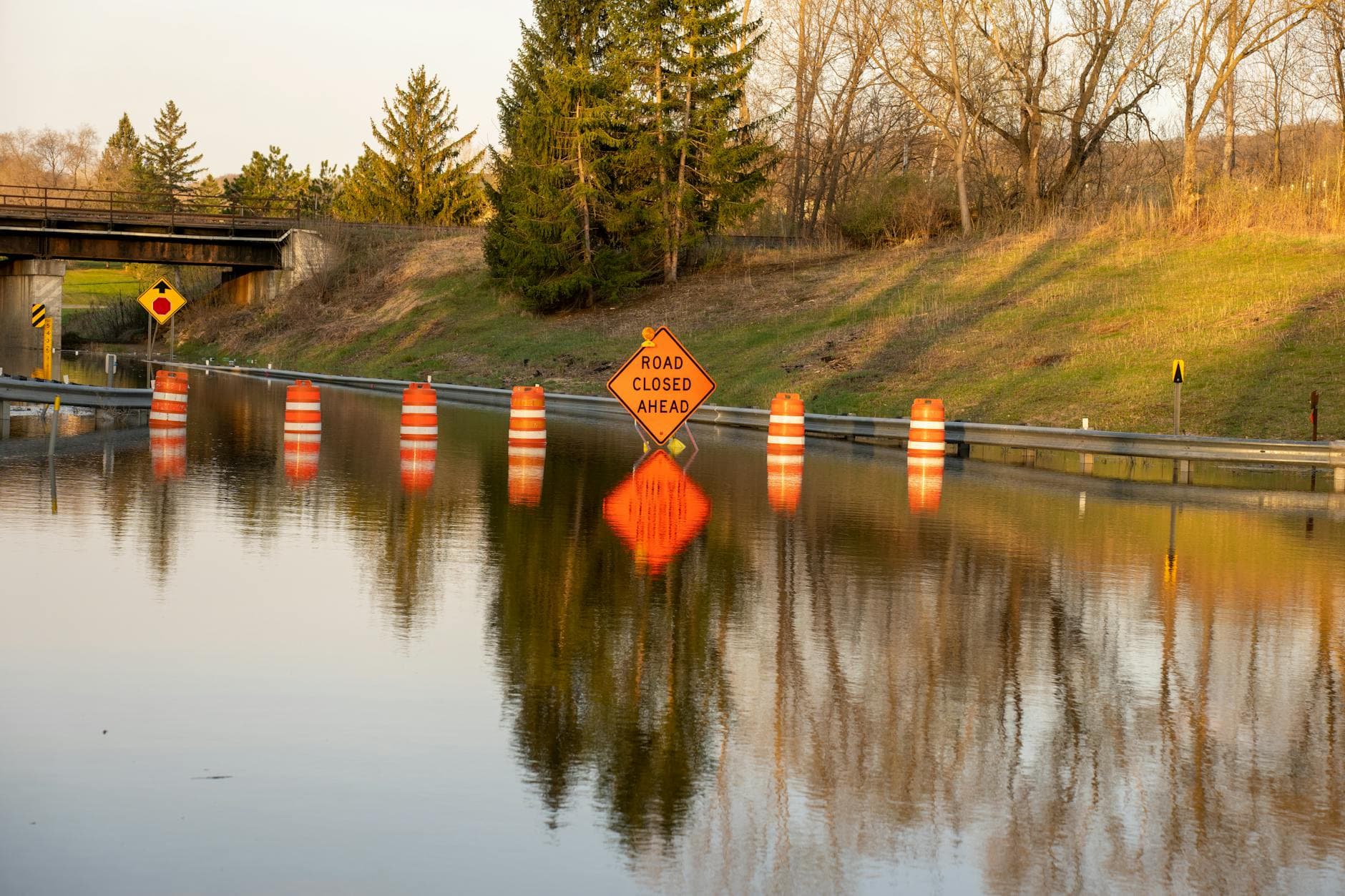
By April 20, the Boardman River had fallen below flood advisory stage and the Emergency Operations Center was shifting from response to recovery. County officials said 8 roads had been closed at the height of the flood response, down to 4 by that afternoon, with South Airport Road reopening by 4:30 p.m. The county also used aerial imagery from EagleView flown on April 17 to compare pre-flood and post-flood conditions as damage assessment continued.
The impact extended beyond roads. Traverse City reported significant riverbank erosion at the FishPass site beginning April 13, though conditions there were safe and stable by April 16, with a portion of Lot K still closed. A sinkhole also closed part of the alley north of the 100 block of East Front Street, and closures remained in the Brown Bridge Quiet Area and Natural Education Reserve.
This article was produced by Prism’s automated news system from verified source data, official records, and press releases, then run through automated quality and moderation checks before publishing. The system is built and supervised by the people who set the standards it runs under. Read our full AI policy.
Did this article answer your question?