Grand Traverse County weighs housing, jail relief efforts
Commissioners eyed a lower-income housing project and a jail-overcrowding grant as Grand Traverse County keeps juggling rent pressure and custody space.
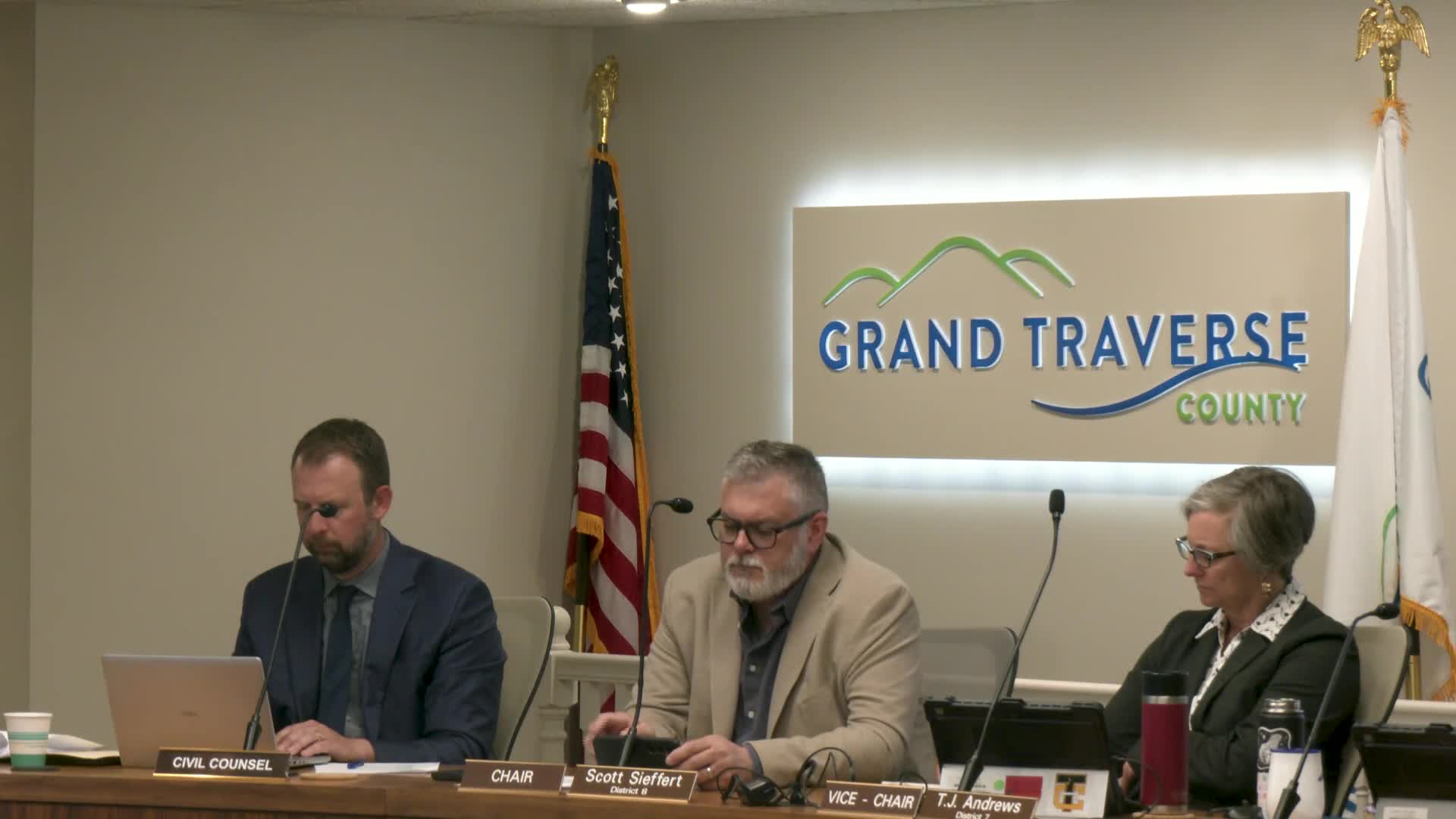
Grand Traverse County commissioners last night took up two pressures that shape daily life far beyond the courthouse: where lower-income residents can afford to live, and how to keep the jail from overflowing.
The board received an update on a housing development aimed at lower-income residents and approved a grant application meant to reduce jail overcrowding. Together, the moves pointed to a county trying to deal with housing instability and justice-system strain at the same time, rather than treating them as separate problems.
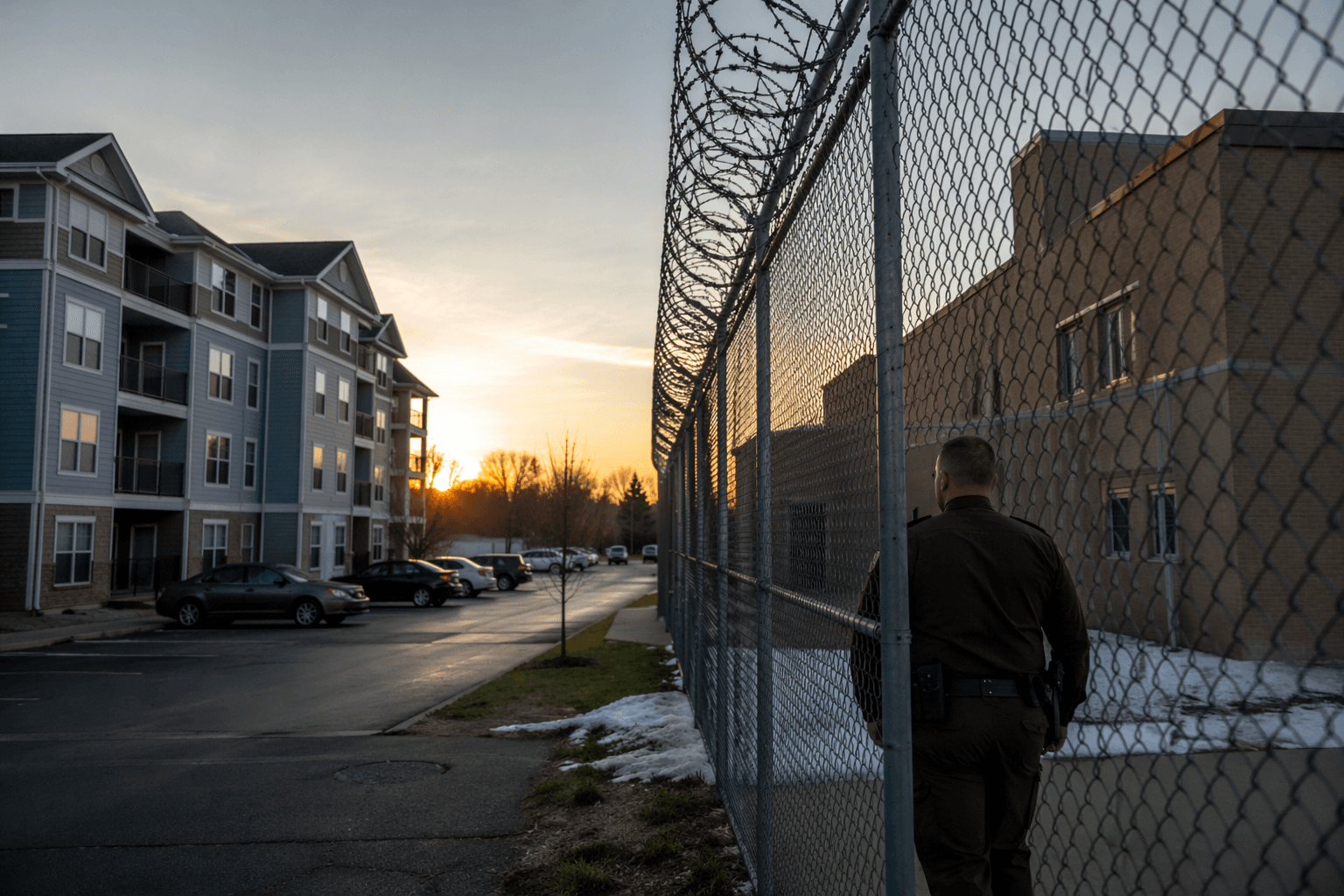
That connection is already part of county policy. The Grand Traverse County Housing and Homelessness Task Force is led by the Northwest Michigan Coalition to End Homelessness, the City of Traverse City and Grand Traverse County, with a goal of building a broader plan to prevent and end homelessness in the region. The housing update suggests leaders are still trying to move projects forward for households that earn too much for the deepest subsidies but not enough to keep up with market rents.
The jail side is just as pressing. Grand Traverse County Community Corrections says its alternative programs can place offenders into tether, residential or transitional housing and treatment, with the stated goals of reducing prison overcrowding, controlling jail populations and saving taxpayer money. Those programs matter because the county jail has been under strain for months.
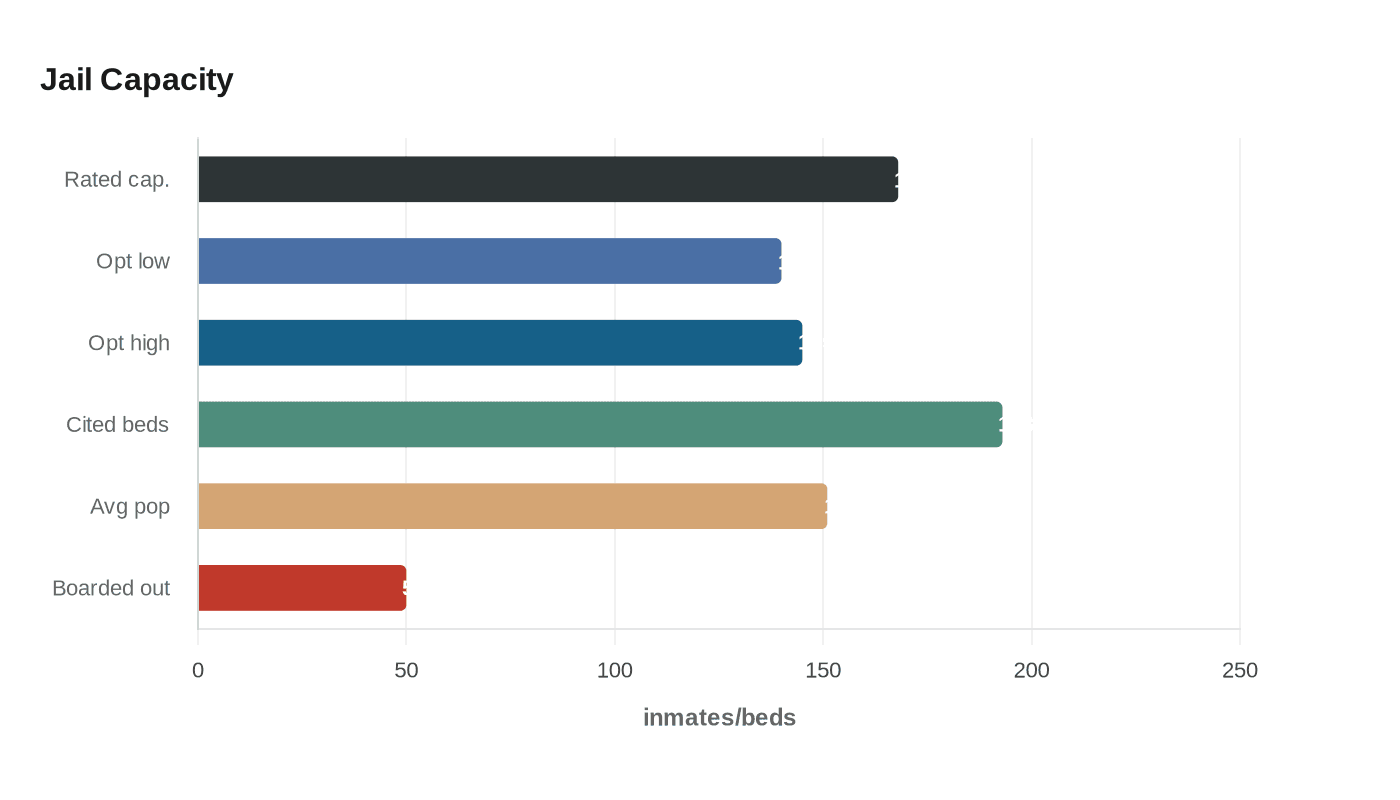
On March 4, county commissioners approved boarder housing agreements to send roughly 50 inmates to jails in Benzie, Clare and Leelanau counties. Jail Administrator Jimmy Argyle described that boarding as an ongoing operational necessity driven by housing and staffing constraints.
The numbers help explain why. Prism reported the Grand Traverse County Jail has a rated capacity of 168 beds and works most effectively at about 140 to 145 inmates. County communications have cited about 193 beds and an average daily population of about 151 inmates. Officials have also pointed to a roof leak, an inoperable maximum-security door, a broken cell window and flooding tied to another window as part of the facility’s maintenance problems.
The county’s long-running jail debate is not new. On April 3, 2025, county leaders took a first step toward a new jail and possible criminal justice complex, as the sheriff’s office continued to call the current building safe but reliant on band-aid fixes. Last night’s discussion showed Grand Traverse County still searching for a path that eases pressure on the jail without simply expanding the same problems elsewhere.
This article was produced by Prism’s automated news system from verified source data, official records, and press releases, then run through automated quality and moderation checks before publishing. The system is built and supervised by the people who set the standards it runs under. Read our full AI policy.
Know something we missed? Have a correction or additional information?
Submit a Tip