Helicopters survey aquifers near Traverse City, sparking groundwater concerns
Helicopters over Grand Traverse County are mapping aquifers as residents warn data centers could strain groundwater already tapped for homes, farms and industry.
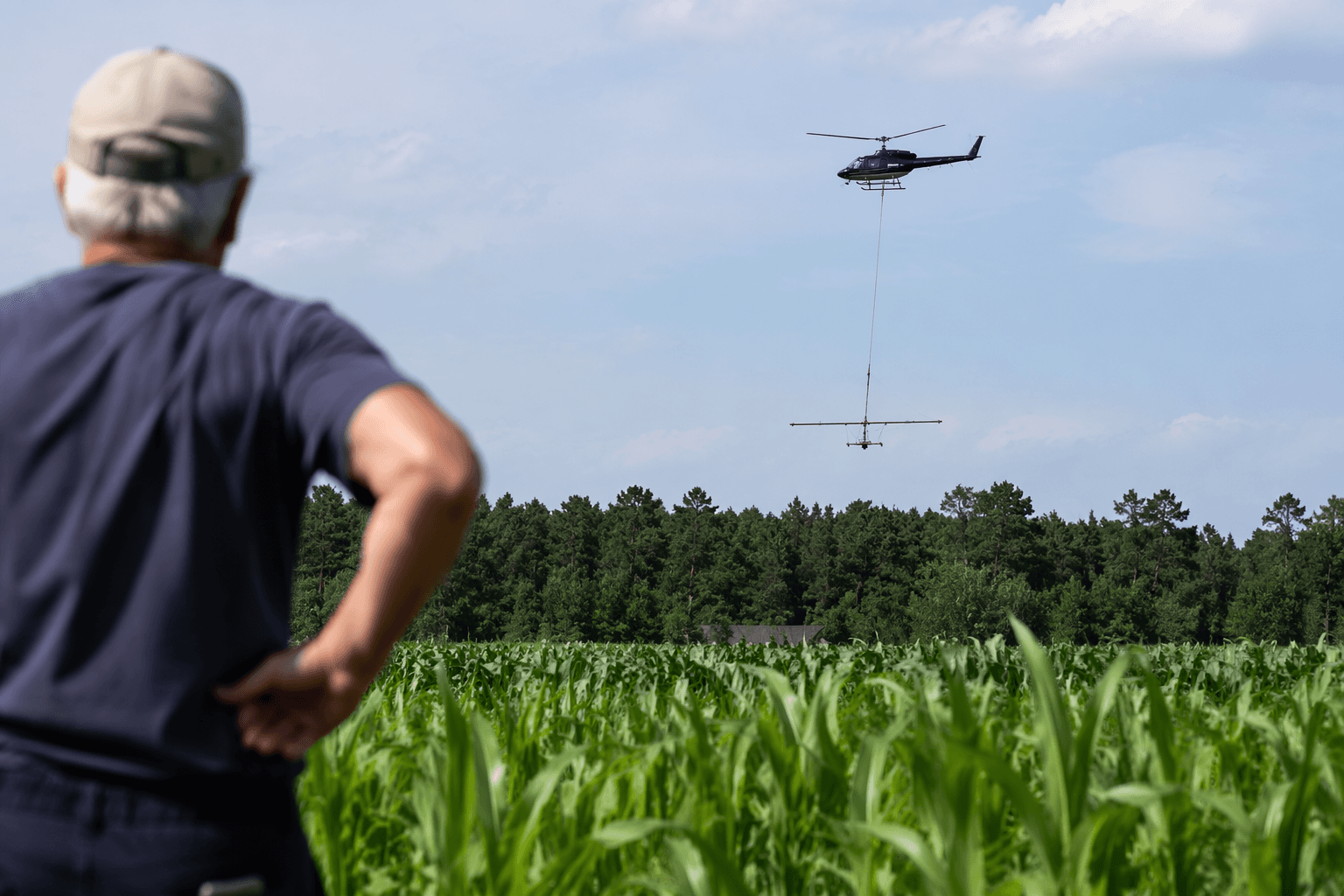
Helicopters have been flying low over parts of southwest Michigan, including near Traverse City and Cassopolis, as residents worry the maps could pave the way for data centers that would lean on the same groundwater that supplies homes, farms and businesses. The aerial surveys are drawing scrutiny because Michigan already depends heavily on groundwater, and critics say the state should not invite new large-scale users without a clearer public accounting of what is underground and how much water can be spared.
The work is part of a U.S. Geological Survey and Michigan Department of Environment, Great Lakes, and Energy study announced April 3, 2026, after the Michigan Water Use Advisory Council recommended more data to characterize the state’s water resources. The airborne electromagnetic surveys cover 16 counties in southwest Michigan, including Cass County, and are expected to run through spring, summer and fall 2026, with additional work in 2027.

USGS says the flights are designed to build 3D maps of subsurface geology, including confining units, shallow aquifers and bedrock, so scientists can better understand how groundwater moves and how it connects with surface water. EGLE says the helicopter flies about 200 feet above the ground while carrying a sensor suspended about 100 feet below the aircraft. The agency says the flights are daylight-only, avoid densely populated areas and do not pass over buildings at low altitude, with no risk to humans, animals or plant life.
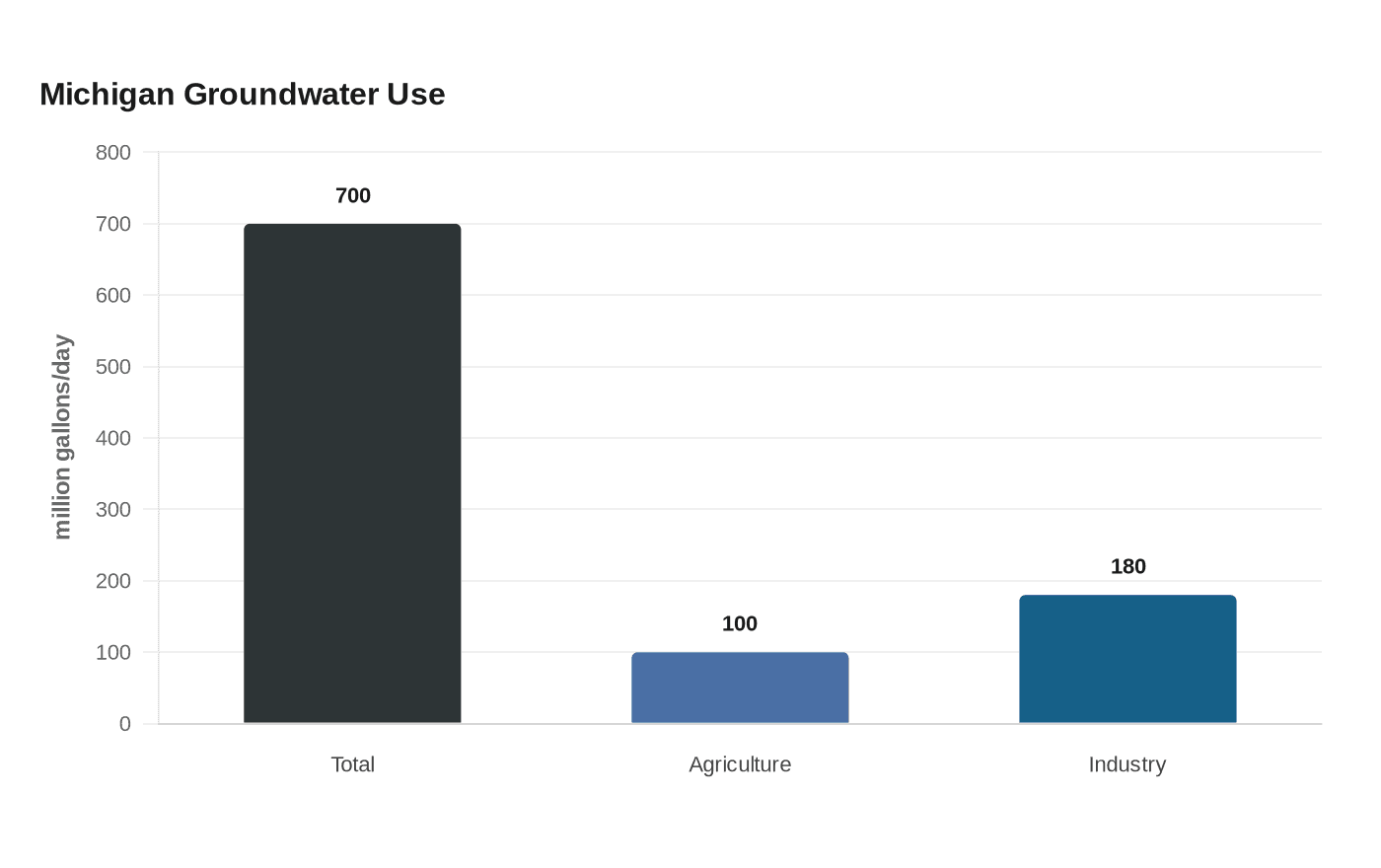
The stakes are heightened by the scale of Michigan’s water use. State officials say Michiganders use about 700 million gallons of groundwater a day. Agriculture draws more than 100 million gallons a day for irrigation, and industry pumps another 180 million gallons a day from onsite wells. For communities in Grand Traverse County and across northern Michigan, those figures have sharpened anxiety about who gets access when new industrial users arrive.
That anxiety has grown alongside a broader backlash against data centers. Protesters gathered in Traverse City on April 11, 2026, as part of demonstrations across Michigan, including Lansing, Ann Arbor and Houghton, to object to proposed data center projects and warn about land and water use. Around that time, local reporting said Michigan had about 15 planned or proposed data center projects, while Acme Township was also discussing how it should respond if proposals come forward.
Northern Michigan has already seen one proposal collapse under public pressure. A planned multi-billion-dollar data center in Kalkaska County, tied to Traverse City geologist Matt Rine through Rocklocker and the Kalkaska Go consortium, was withdrawn in November 2025 after backlash over electricity use, water demand and environmental impacts. The fight has become a test of whether state and local leaders can answer a basic public question before the next proposal advances: how much groundwater can be committed, and who gets to decide.
This article was produced by Prism’s automated news system from verified source data, official records, and press releases, then run through automated quality and moderation checks before publishing. The system is built and supervised by the people who set the standards it runs under. Read our full AI policy.
Did this article answer your question?


