Interlochen Collection Marathon Brings Six-Hour Archive to IPR Listeners
On Jan. 1 Classical IPR aired a six-hour Interlochen Collection marathon that showcased historic performances from 1959 to 1985, drawing attention to the station's role as a steward of regional cultural archives. The broadcast offered local listeners a concentrated look at Interlochen's musical legacy and highlighted the ongoing public radio function of promoting arts access and local concert information.
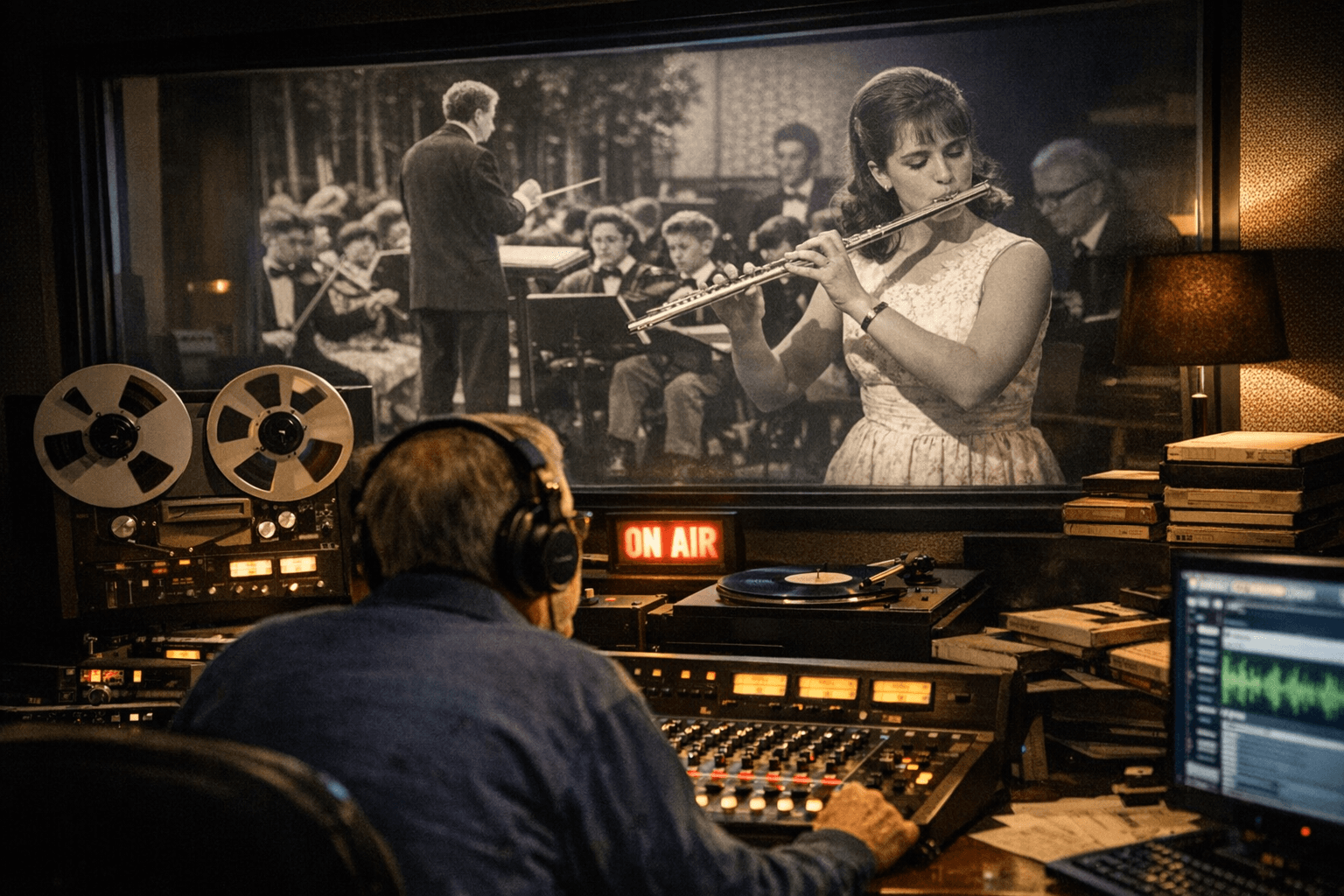
Classical IPR marked the start of 2026 with a six-hour Interlochen Collection marathon on Thursday, Jan. 1, beginning at 1 p.m. The special programming presented a sequence of archival recordings spanning several decades, delivering a compact retrospective of performances tied to Interlochen's educational and artistic institutions.
The schedule offered listeners a range of historical material: at 1 p.m. the program aired Shostakovich conducts Shostakovich, 1985; at 2 p.m. a segment of Jerry Bilik's "musicological oddities" played; 3 p.m. featured Myths and Legends; 4 p.m. presented the Arts Academy Band live on WIAA from 1972; 5 p.m. ran Interlochen Pipe Dreams; and the marathon concluded at 6 p.m. with Howard Hanson and the National High School Symphony Orchestra, 1959. Classical IPR also continues to carry the Interlochen Collection on a regular basis, with the series airing every Thursday at 6 p.m. and Sunday at 8 p.m.
For Grand Traverse County residents, the broadcast was significant on several levels. It reinforced public radio's long-standing role in preserving and disseminating regional arts history, making archival performances accessible to listeners who cannot attend live events. The programming also functions as a conduit to local cultural life by encouraging audiences to consult IPR schedules for subsequent classical broadcasts and upcoming concert listings.
Beyond cultural preservation, the marathon underscores policy and institutional issues relevant to local civic life. Public radio's capacity to maintain and broadcast historical recordings depends on sustained institutional support, partnerships with educational organizations such as Interlochen, and audience engagement to justify investment. Local officials and civic leaders who prioritize arts education and cultural heritage will find such programming a visible indicator of community value and demand.
The Jan. 1 marathon served both archival and outreach purposes: it provided a concentrated opportunity for listeners and visitors to experience historic performances while reminding the community that public media remains a platform for local arts promotion. Residents interested in further classical programming and concert information were directed to check Classical IPR schedules for upcoming broadcasts and listings.
This article was produced by Prism’s automated news system from verified source data, official records, and press releases, then run through automated quality and moderation checks before publishing. The system is built and supervised by the people who set the standards it runs under. Read our full AI policy.
Did this article answer your question?


